

Operation Process and Working Principle of Dry Powder Mortar Material Conveying System
Efficient and reliable material conveying is a critical component in the production and distribution of dry powder mortar, ensuring consistent quality and smooth workflow. The dry powder mortar material conveying system, developed by Shandong HeadPowder Engineering Co., Ltd., is engineered to meet the stringent demands of modern construction and building material industries. This system integrates advanced technology and robust design to facilitate the seamless transport of dry mortar components, such as cement, sand, and additives, from storage to processing or packaging units.
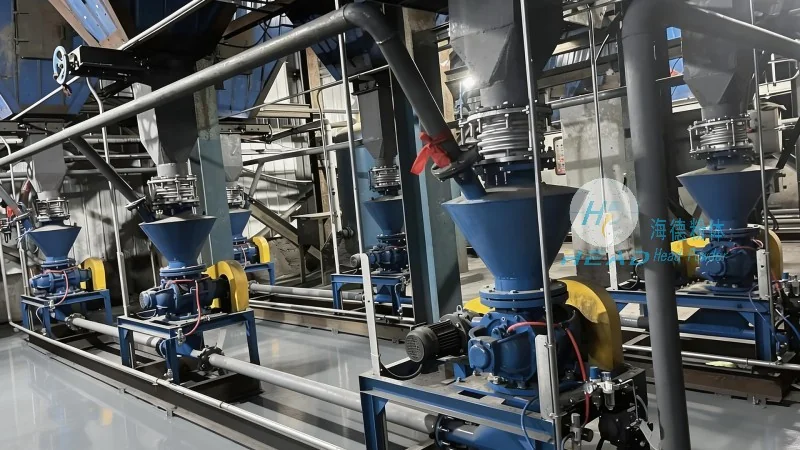
Overview of the Dry Powder Mortar Material Conveying System
The system is designed to handle bulk dry powder materials with precision, minimizing material loss and maintaining uniform particle size distribution. It comprises several key components, including hoppers, feeders, conveyor belts or screw conveyors, and control systems, all working in tandem to ensure optimal performance. HeadPowder, as a leading manufacturer in this field, has optimized each component to enhance durability, energy efficiency, and operational safety.
Working Principle of the Conveying System
The operation of the dry powder mortar material conveying system begins with the loading of raw materials into the storage hoppers. These hoppers are typically equipped with level sensors to monitor material volume and prevent overfilling. Once the hoppers are filled, the feeders, which can be either volumetric or gravimetric, regulate the flow of material into the conveyor section. The conveyor system, often a combination of screw conveyors and belt conveyors, transports the dry powder through a sealed pipeline or open path, depending on the specific application requirements. The system ensures that the material moves at a controlled speed, preventing segregation and maintaining the integrity of the powder mixture.
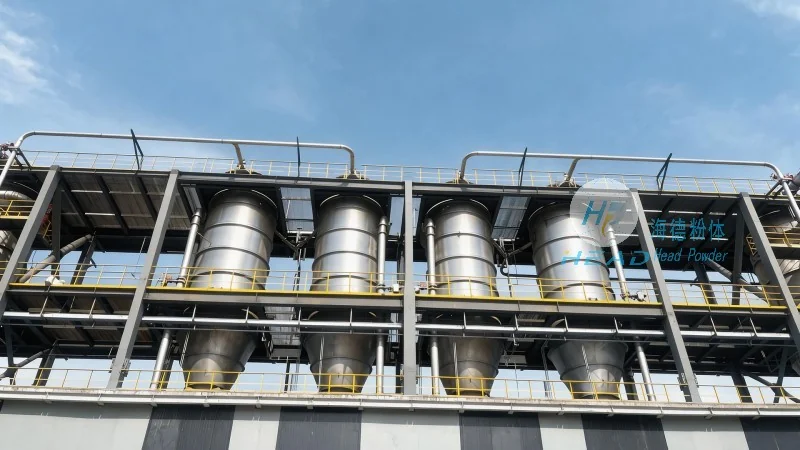
Key Components and Their Functions
1. Storage Hoppers: These large containers store bulk dry mortar components. They are made of durable materials like stainless steel or carbon steel, resistant to corrosion and wear from the abrasive nature of the materials. The hoppers are equipped with discharge gates and level indicators to facilitate easy monitoring and control of material levels.
2. Feeders: Feeders are critical for controlling the flow rate of the dry powder. Volumetric feeders, such as rotary or belt feeders, measure and deliver a consistent volume of material per unit time. Gravimetric feeders, on the other hand, provide more precise weight-based control, ensuring accurate batching for mortar production. Both types are designed to minimize material degradation and maintain the quality of the powder.
3. Conveyor System: The conveyor section includes screw conveyors and belt conveyors. Screw conveyors use rotating screws to push material forward, suitable for vertical or inclined transport. Belt conveyors, with their flexible belts, are ideal for horizontal or slightly inclined transport, offering smooth and continuous material movement. The system may also incorporate airlocks and dust collection units to prevent dust emissions and maintain a clean working environment.
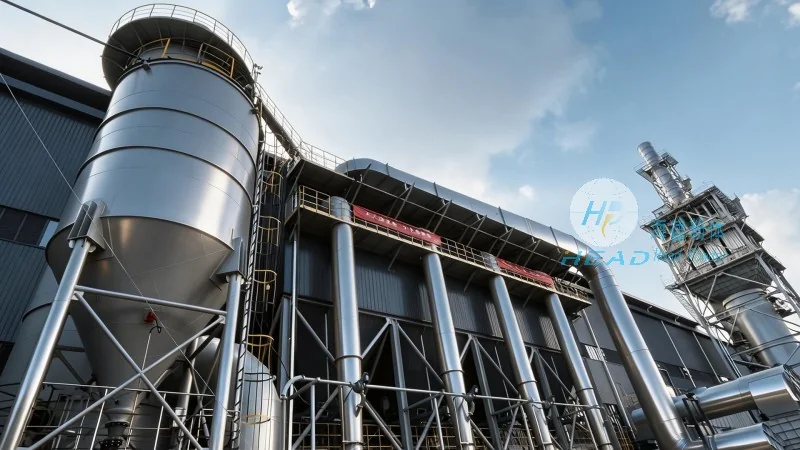
Control and Monitoring Systems
The dry powder mortar material conveying system is equipped with advanced control and monitoring systems to ensure precise operation. These systems include programmable logic controllers (PLCs), sensors for level, flow, and temperature, and digital displays for real-time data. The PLCs manage the sequence of operations, from material loading to conveying, and can be programmed to adjust parameters based on production needs. The sensors provide continuous feedback on the system's performance, allowing for immediate adjustments to maintain optimal conditions. HeadPowder's control systems are designed to be user-friendly, with intuitive interfaces that enable operators to monitor and control the system efficiently.
Advantages of the Dry Powder Mortar Material Conveying System
The implementation of this conveying system offers several advantages for mortar manufacturers. Firstly, it enhances production efficiency by reducing downtime and improving material throughput. The system's ability to handle bulk materials in a continuous manner minimizes manual handling, leading to cost savings and improved safety. Secondly, it ensures consistent material quality by maintaining uniform particle size and preventing segregation. This is crucial for achieving the desired performance characteristics of the final mortar product. Thirdly, the system's energy efficiency reduces operational costs, making it a sustainable choice for modern manufacturing. Additionally, the sealed design of the system minimizes dust emissions, contributing to a cleaner and safer working environment.
Application in Construction and Building Material Industries
The dry powder mortar material conveying system is widely used in the construction and building material industries for the production of various types of dry mortar, including plaster, tile adhesive, and joint compound. The system's ability to handle different raw materials and adapt to varying production volumes makes it versatile and suitable for both small-scale and large-scale manufacturing operations. In the construction sector, this system plays a vital role in ensuring that mortar products are delivered to job sites in a ready-to-use form, reducing on-site mixing time and improving work efficiency. The reliability and efficiency of the system contribute to the overall quality and performance of the final construction materials.
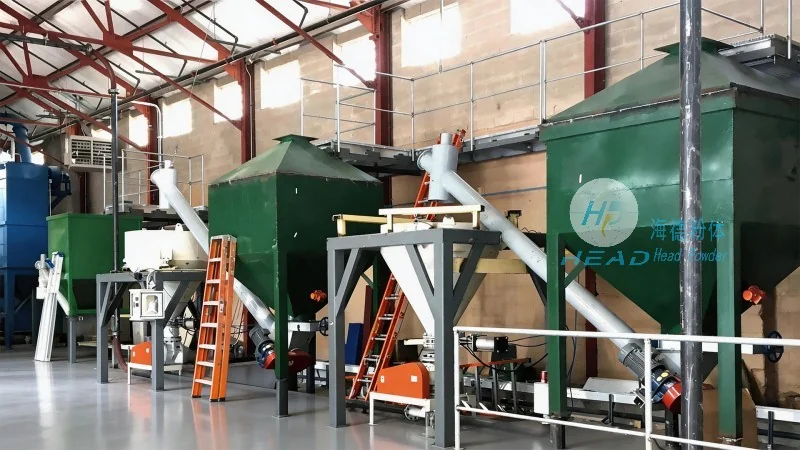
Maintenance and Operational Considerations
To ensure the long-term performance and reliability of the dry powder mortar material conveying system, regular maintenance is essential. HeadPowder recommends routine inspections of all components, including hoppers, feeders, and conveyor systems, to identify and address any potential issues before they escalate. The system's seals and bearings should be checked regularly to prevent wear and tear, which can lead to material leakage or increased energy consumption. Additionally, cleaning the system after each production run is crucial to prevent material buildup and maintain the system's efficiency. The control system should also be calibrated periodically to ensure accurate operation. By following these maintenance practices, manufacturers can maximize the lifespan of the system and minimize downtime.
Shandong HeadPowder Engineering Co., Ltd. provides comprehensive support for the operation and maintenance of its dry powder mortar material conveying systems. The company offers technical assistance, spare parts, and training to help customers optimize their systems and achieve the best possible performance. With its commitment to quality and innovation, HeadPowder continues to be a trusted partner in the construction and building material industry, delivering reliable and efficient solutions for material conveying needs.