

Operation Process and Working Principle of Calcined Ash Material Conveying
Calcined ash material conveying systems are integral to industrial processes, particularly in power generation and waste management sectors. These systems efficiently transport calcined ash, a byproduct of combustion processes, from storage or processing areas to disposal or utilization sites. Understanding the operation process and working principles of such systems is crucial for optimizing material handling efficiency, ensuring safety, and maintaining operational reliability.
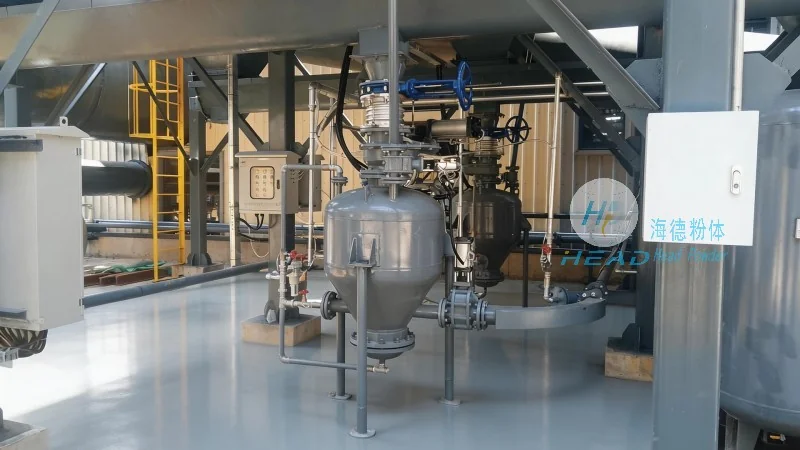
Overview of Calcined Ash Material Conveying Systems
Calcined ash, also known as fly ash or bottom ash after processing, is a fine, powdery material generated from the combustion of coal or other fossil fuels. The conveying of this material requires specialized equipment designed to handle its characteristics—such as high temperature, abrasive nature, and potential moisture content. Conveying systems typically consist of components like feeders, conveyors (e.g., belt conveyors, screw conveyors), and control systems that work in tandem to move the material through the process.
Key Components and Their Roles
The operation of a calcined ash material conveying system relies on several critical components, each with a specific function to ensure smooth and efficient material transport:
- Feeders: These devices, such as rotary valves or star feeders, regulate the flow of calcined ash from storage silos or hoppers into the conveyor system. They ensure a consistent and controlled feed rate, preventing overloading or underfeeding that could disrupt the conveying process.
- Conveyors: The primary transport mechanism, often belt conveyors or screw conveyors, moves the ash along the designated path. Belt conveyors are widely used for long-distance transport due to their ability to handle large volumes and high temperatures, while screw conveyors are suitable for vertical or horizontal transport in confined spaces.
- Drive Systems: Motor-driven mechanisms that provide the necessary power to move the conveyor belts or screws. These systems are designed to handle the load and ensure continuous operation, often equipped with variable speed drives for adjusting the conveying rate based on demand.
- Control Systems: Integrated control panels or PLC (Programmable Logic Controller) systems monitor and regulate the operation of all components. They manage the feed rate, conveyor speed, and safety interlocks, ensuring the system operates within safe parameters and responds to any anomalies or blockages.
Operation Process: Step-by-Step Workflow
The operation of a calcined ash material conveying system follows a systematic workflow to ensure efficient material transport:
- Material Storage and Preparation: Calcined ash is stored in silos or hoppers. The material is prepared by ensuring it is free from large debris or clumps, which could cause blockages in the feeder or conveyor.
- Feeder Activation: The rotary valve or star feeder is activated to start the flow of ash from the storage silo into the conveyor inlet. The feeder regulates the flow rate to match the conveyor's capacity.
- Conveyor Movement: The conveyor belt or screw starts moving, transporting the ash along the designated path. The system may include multiple conveyors for horizontal and vertical transport, with transfer points or chutes to change direction.
- Delivery to Destination: The ash is delivered to the final destination, such as a disposal site, storage area, or processing facility. The control system ensures the material is deposited accurately and without spillage.
- System Monitoring and Maintenance: Continuous monitoring of the system's performance, including flow rates, temperature, and operational status, is conducted. Regular maintenance, such as cleaning, lubrication, and component inspection, is performed to prevent breakdowns and ensure long-term reliability.
Working Principles: How the System Functions
The working principles of a calcined ash material conveying system are based on mechanical and hydraulic forces, designed to handle the unique properties of calcined ash:
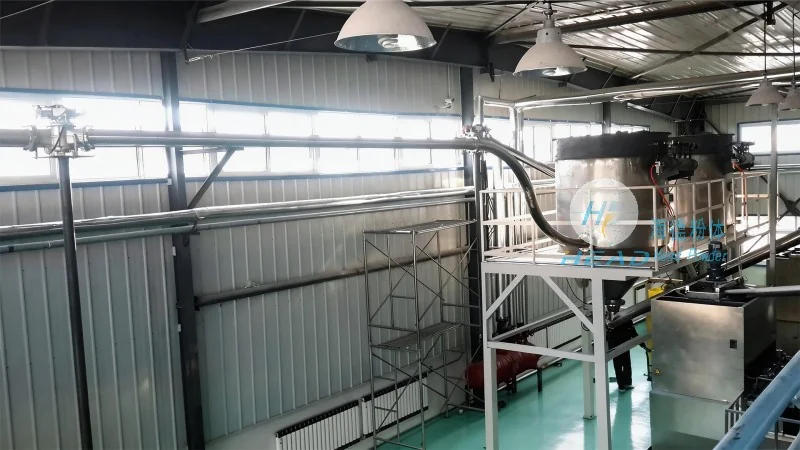
1. Gravitational and Mechanical Force: In some systems, gravity assists in the material flow, especially in vertical conveyors. However, most systems rely on mechanical force from the conveyor belt or screw to move the ash against gravity or over horizontal distances.
2. Friction and Adhesion: The material's fine particles create friction with the conveyor surface, which helps in moving the ash along the belt. Proper belt material (e.g., rubber with high friction coefficients) is selected to prevent slippage and ensure efficient transport.
3. Temperature Management: Calcined ash is often hot after processing. The conveying system is designed to handle high temperatures, with materials like heat-resistant rubber or metal components that can withstand elevated temperatures without degrading.
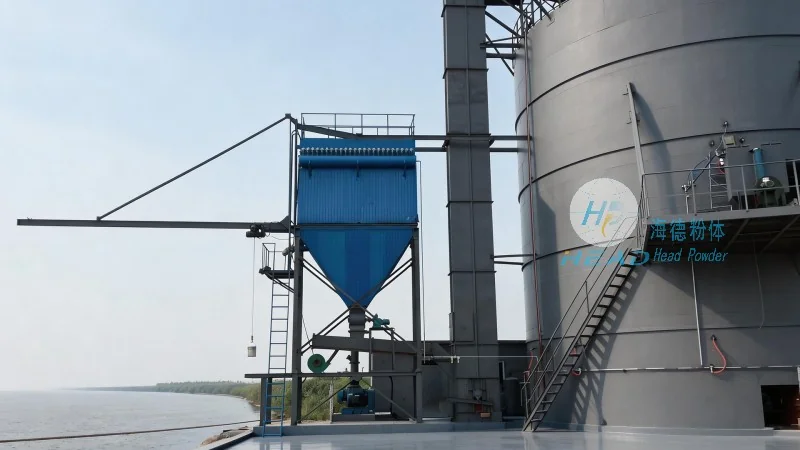
4. Control and Automation: Modern systems use automation to control the entire process. Sensors detect the material level in the silo, the position of the conveyor belt, and any blockages. The PLC system adjusts the feeder speed and conveyor speed in real-time to maintain optimal flow, ensuring the system operates efficiently and safely.
HeadPowder Engineering: Expertise in Calcined Ash Conveying Solutions
Shandong HeadPowder Engineering Co., Ltd. specializes in the design, manufacturing, and installation of calcined ash material conveying systems. With years of experience in the industry, HeadPowder provides customized solutions tailored to the specific needs of power plants, waste management facilities, and other industrial clients. The company's expertise lies in understanding the unique challenges of handling calcined ash, such as its abrasive nature, high temperature, and potential moisture content, and designing systems that address these challenges effectively.
HeadPowder's team of engineers and technicians works closely with clients to assess their material handling requirements, select the appropriate equipment, and ensure the system meets operational and safety standards. The company's commitment to quality and reliability is reflected in its use of high-quality materials, advanced control systems, and rigorous testing procedures. Clients can rely on HeadPowder to deliver systems that enhance material handling efficiency, reduce downtime, and ensure long-term operational performance.
HeadPowder's facilities are located in Shandong, China, where the company leverages local resources and expertise to provide cost-effective and reliable solutions. The company's focus on innovation and customer satisfaction has made it a trusted partner in the calcined ash conveying industry, helping clients optimize their operations and achieve their material handling goals.