

Operation Process and Working Principle of Denitrization Ash Material Conveying
Denitrization ash material conveying systems are critical components in modern industrial processes, particularly in power plants and other facilities that employ selective catalytic reduction (SCR) for nitrogen oxide control. The efficient and reliable transport of denitrification ash is essential for maintaining operational efficiency and environmental compliance. This article provides a detailed overview of the operation process and working principles of such systems, highlighting the key technologies and components involved.
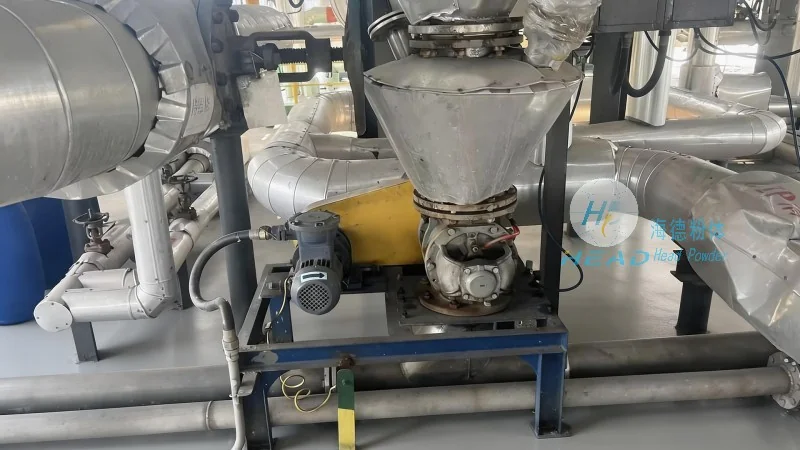
Overview of Denitrization Ash Material Conveying
Denitrization ash, also known as SCR catalyst ash or desulfurization byproduct, is the residue generated during the nitrogen oxide reduction process. This ash is typically fine-grained and can be abrasive, requiring specialized conveying equipment to handle its unique properties. The primary goal of denitrization ash material conveying is to transport this material from the reaction zone to a storage or disposal location while minimizing dust emissions and ensuring system longevity.
Key Components and Their Functions
The denitrization ash material conveying system typically consists of several interconnected components, each playing a crucial role in the overall operation. These components include:
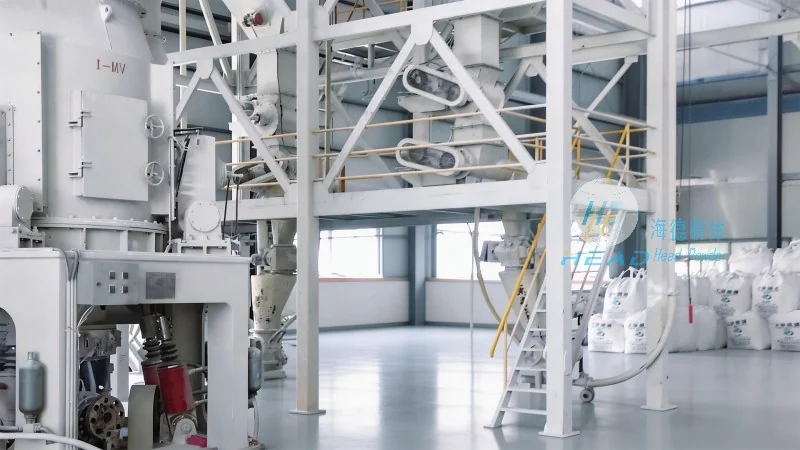
- Feeding Equipment: This component, often a rotary valve or screw feeder, is responsible for introducing the denitrization ash from the storage hopper or reaction chamber into the conveying line. The feeding equipment must be designed to handle the abrasive nature of the ash and maintain a consistent flow rate.
- Pneumatic Conveying System: Many modern systems utilize pneumatic conveying technology, which uses air pressure to transport the ash through a pipeline. This method is particularly effective for fine-grained materials and can achieve long-distance transport with minimal maintenance.
- Conveying Pipeline: The pipeline is constructed from materials resistant to abrasion and corrosion, such as stainless steel or high-grade alloys, to withstand the harsh conditions of ash transport. The pipeline design includes bends, elbows, and expansion joints to accommodate the material's flow characteristics and prevent blockages.
- Control and Monitoring Systems: Advanced control systems are integrated to regulate the flow rate, pressure, and temperature within the conveying system. Sensors and indicators monitor key parameters, such as pressure drops, flow rates, and dust levels, ensuring optimal performance and early detection of potential issues.
Operation Process of Denitrization Ash Material Conveying
The operation process of a denitrization ash material conveying system involves several sequential steps, each coordinated to ensure smooth and efficient material transport. The process typically begins with the ash being fed from the storage hopper into the conveying line. The feeding equipment ensures a steady supply of ash, which is then accelerated by the pneumatic system using compressed air or other gases.
As the ash travels through the pipeline, it is carried by the air stream, maintaining a suspended state to prevent deposition and blockages. The system's control panel continuously monitors the pressure and flow rates, adjusting the air supply as needed to maintain optimal conveying conditions. At the destination point, the ash is deposited into a storage silo or disposal container, where it is collected for further processing or disposal.
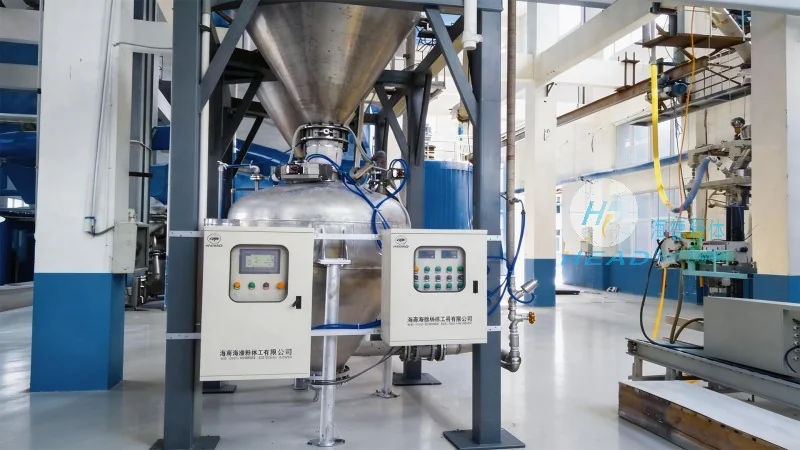
Working Principle of the Conveying System
The working principle of a denitrization ash material conveying system is based on the principles of fluid dynamics and particle transport. The system operates by creating a pressure differential between the inlet and outlet of the pipeline, which propels the ash particles through the system. The air velocity within the pipeline is maintained at a level sufficient to keep the ash particles suspended, preventing them from settling and causing blockages.
Key factors influencing the conveying efficiency include the ash's particle size distribution, moisture content, and density, as well as the system's air pressure and flow rate. Proper design and maintenance of the conveying components are essential to ensure consistent performance and minimize operational downtime. The system's control systems play a vital role in adapting to changes in ash characteristics or system conditions, ensuring reliable operation under varying load conditions.

Importance of Efficient Conveying in Industrial Applications
Efficient denitrization ash material conveying is critical for maintaining the overall efficiency and environmental performance of power plants and other industrial facilities. Inadequate conveying systems can lead to increased downtime, higher maintenance costs, and potential environmental violations due to improper ash handling. By employing advanced conveying technologies and regular maintenance, facilities can ensure consistent operation, reduce operational costs, and comply with environmental regulations.
About Shandong HeadPowder Engineering Co., Ltd.
Shandong HeadPowder Engineering Co., Ltd., commonly known as headpowder, is a leading provider of industrial material handling solutions, including denitrization ash material conveying systems. With a focus on innovation and customer satisfaction, headpowder has established itself as a trusted partner for facilities seeking reliable and efficient ash handling solutions. The company's expertise in material handling technology, combined with its commitment to quality and service, makes it a preferred choice for industrial clients in China and beyond.