

Operation Process and Working Principle of Bread Flour Material Conveying
Understanding the operation process and working principle of bread flour material conveying systems is crucial for optimizing production efficiency in bakeries and flour mills. This article provides a detailed overview of how these systems function, highlighting the key components and mechanisms involved in transporting bread flour efficiently and reliably.
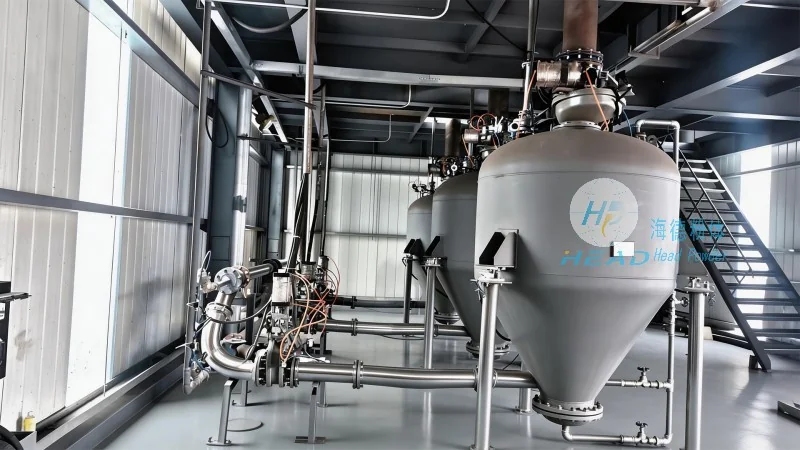
HeadPowder Engineering, a leading provider of specialized engineering solutions for the food processing industry, offers advanced material conveying systems tailored to the unique needs of bread flour handling. With headquarters in Shandong, China, the company combines years of industry expertise with cutting-edge technology to deliver reliable and efficient solutions for its clients.
Operation Process of Bread Flour Conveying Systems
The operation process of bread flour material conveying systems typically involves several key stages, each designed to ensure the smooth and continuous transport of flour from storage to processing areas. The process begins with the loading of flour into the conveying system, which may be stored in bulk silos or bags. From there, the flour is transferred through a series of components, including hoppers, feeders, and conveyor belts or pneumatic systems, depending on the specific application.
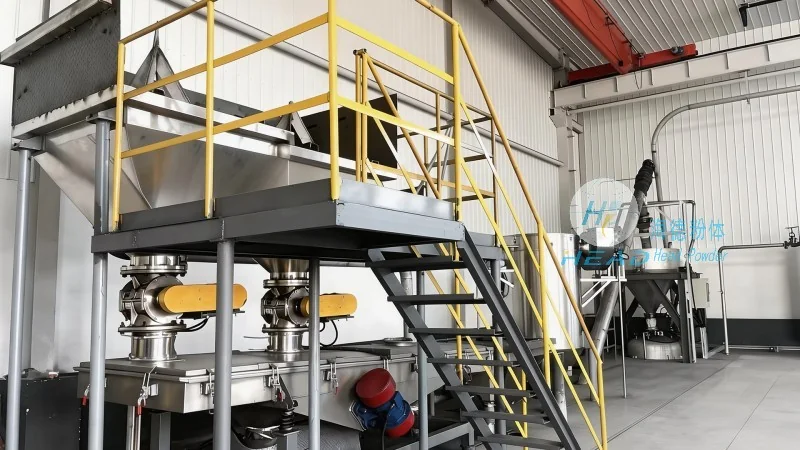
During the conveying process, the system ensures consistent flow rates and minimal product degradation. This is achieved through the use of specialized equipment such as rotary valves, screw conveyors, and air slides, which maintain the integrity of the flour while preventing caking or segregation. The system also incorporates control mechanisms to regulate the speed and direction of the flow, allowing for precise dosing and distribution of the flour as required by the production line.
Working Principle of Bread Flour Conveying Systems
The working principle of bread flour material conveying systems is based on the principles of mechanical and pneumatic transport. Mechanical systems utilize gravity and mechanical force to move the flour through a series of components, while pneumatic systems employ air pressure to create a flow of the material. Both systems are designed to handle the specific characteristics of bread flour, such as its fine particle size and potential for dust generation.
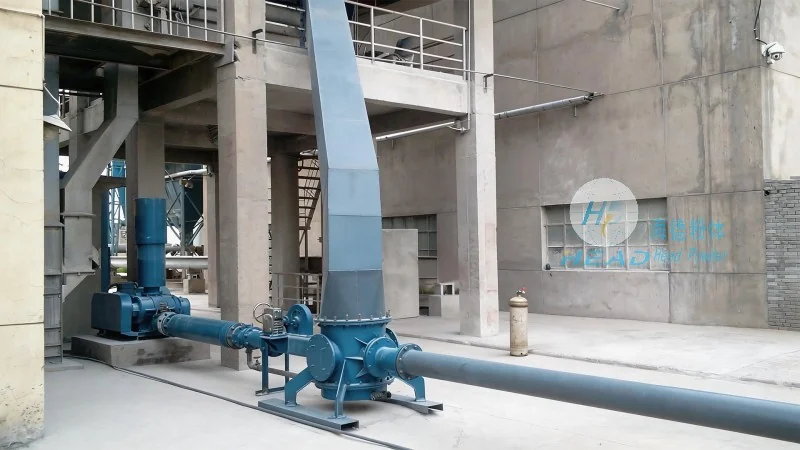
In mechanical conveying, the flour is typically fed into a hopper, which then transfers the material to a screw conveyor or belt conveyor. The screw conveyor uses rotating screws to push the flour forward, while the belt conveyor relies on a moving belt to transport the material. The speed of the conveyor is controlled by a motor, allowing for precise adjustment of the flow rate. In pneumatic conveying, the flour is mixed with air and then transported through a pipeline system. The air pressure is regulated to ensure the flour moves smoothly and without blockages.
Advantages of Advanced Bread Flour Conveying Systems
Modern bread flour material conveying systems offer several advantages over traditional methods, including improved efficiency, reduced labor costs, and enhanced product quality. The use of automated control systems allows for precise monitoring and adjustment of the conveying process, minimizing waste and ensuring consistent product quality. Additionally, the systems are designed to be easy to maintain and clean, reducing downtime and increasing overall productivity.
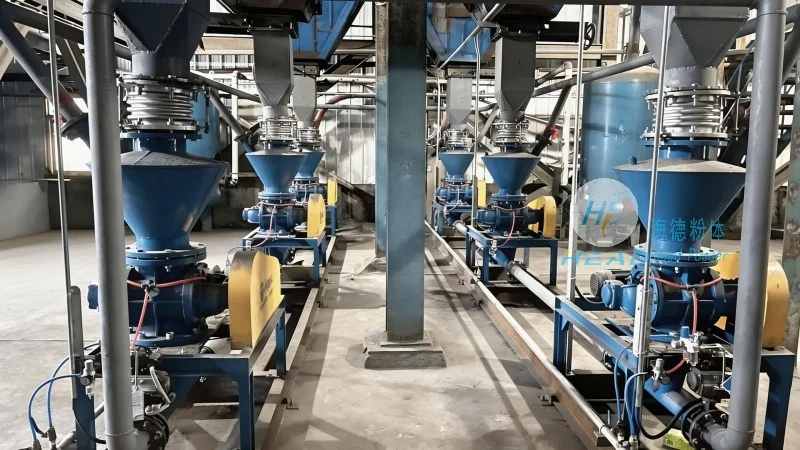
HeadPowder Engineering's conveying systems are engineered to meet the specific requirements of bread flour handling, including the prevention of contamination and the maintenance of product integrity. The company's expertise in material handling and food processing ensures that its systems are designed to comply with industry standards and regulations, providing clients with reliable and safe solutions.
Conclusion
Bread flour material conveying systems are essential components of modern bread production and flour milling operations. By understanding the operation process and working principle of these systems, businesses can optimize their production processes, improve efficiency, and enhance product quality. HeadPowder Engineering, with its headquarters in Shandong, China, offers advanced and reliable conveying solutions that are tailored to the unique needs of the bread flour industry, helping clients achieve their production goals while maintaining the highest standards of quality and safety.