

Operation Process and Working Principle of Wood Ash Powder Conveying Equipment
Wood ash, a byproduct of biomass combustion, is increasingly recognized for its potential in agricultural and industrial applications due to its nutrient-rich composition and beneficial properties. However, the efficient handling and transportation of wood ash powder present significant challenges, particularly due to its fine particle size, light density, and tendency to generate dust. To address these challenges, Shandong HeadPowder Engineering Co., Ltd. (referred to as HeadPowder) has developed a specialized wood ash powder conveying equipment designed to ensure reliable and efficient transport of this valuable material. This article provides a comprehensive overview of the operation process and working principle of this equipment, detailing its key components, operational workflow, and technical advantages, with a focus on how it enhances the utilization of wood ash in various industries.
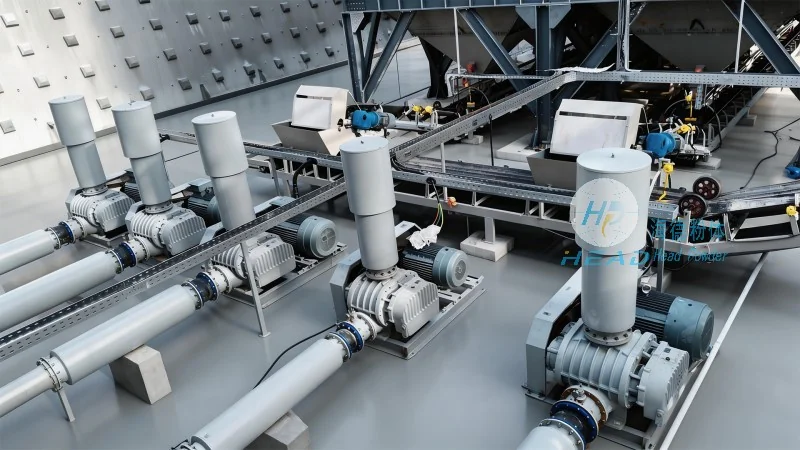
Introduction to Wood Ash Powder Conveying Equipment
The wood ash powder conveying equipment by HeadPowder is a sophisticated system engineered to handle the unique characteristics of wood ash powder, which is typically composed of calcium, potassium, and other nutrients. The equipment is designed to transport wood ash from the source (e.g., a biomass boiler or storage silo) to the destination (e.g., a fertilizer blending plant or industrial processing facility) with minimal loss and maximum efficiency. The system integrates advanced technology and robust construction to ensure durability and consistent performance, making it suitable for continuous operation in demanding environments.
Key Components and Their Roles in the System
The wood ash powder conveying equipment consists of several critical components, each playing a vital role in the overall operation. The first component is the hopper, a large storage vessel designed to hold a substantial quantity of wood ash powder. The hopper is typically made of stainless steel or other corrosion-resistant materials to prevent material degradation and equipment wear. It features a sloped bottom to facilitate smooth material flow and includes a level indicator to monitor the material level. The second component is the feeder, which controls the discharge rate of the material from the hopper. The feeder can be a rotary valve, a screw feeder, or a vibrating feeder, depending on the material characteristics and required flow rate. The feeder ensures a consistent and controlled flow of wood ash powder into the conveying mechanism, preventing overloading or underloading of the system.
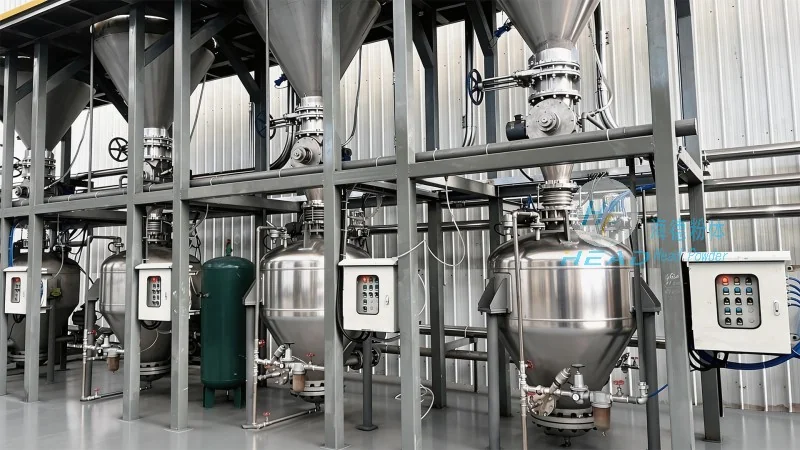
The third component is the conveying mechanism, which is the core of the equipment responsible for transporting the wood ash powder. The system offers two primary types of conveying mechanisms: pneumatic and mechanical. Pneumatic conveying uses compressed air to create a flow that carries the wood ash powder particles through a pipeline. This method is ideal for long-distance transport and high-volume applications, as it can handle fine materials without the need for mechanical contact. Mechanical conveying, on the other hand, uses mechanical force to move the material, such as a screw conveyor or a belt conveyor. This method is suitable for shorter distances and applications where air quality is a concern, as it does not generate dust or require air filtration.
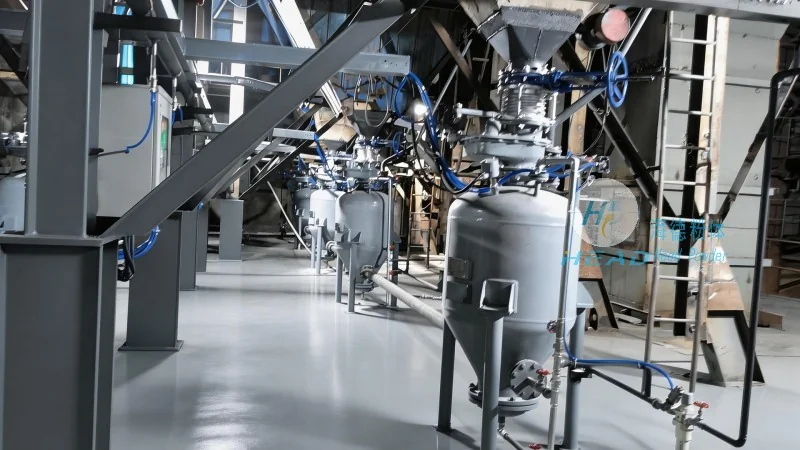
The fourth component is the discharge unit, located at the end of the conveying line. The discharge unit regulates the release of the wood ash powder into the receiving system, ensuring that the material is delivered to the target location without spillage or blockage. The unit may include a valve or a gate to control the flow rate and a filter or a dust collector to prevent dust emissions. The discharge unit is designed to be compatible with various receiving containers or processing equipment, ensuring seamless integration into existing systems.
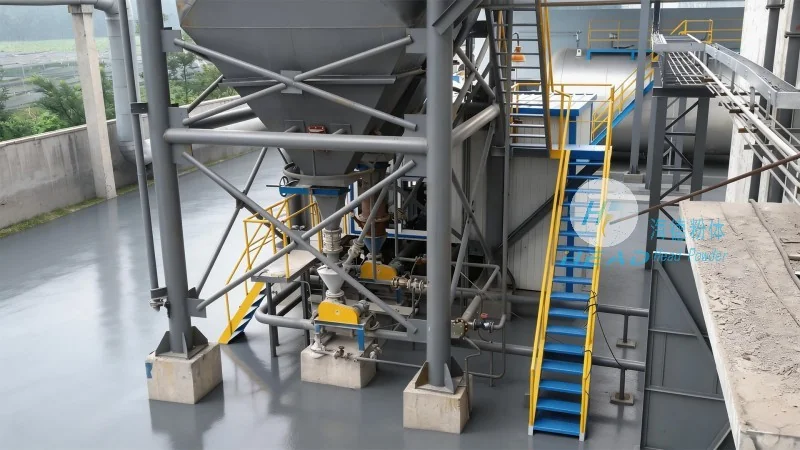
Operation Process: Step-by-Step Workflow
The operation process of the wood ash powder conveying equipment involves a series of sequential steps, each critical to the efficient transport of the material. The process begins with the loading of wood ash powder into the hopper. The material is then discharged from the hopper into the feeder at a controlled rate, as determined by the feeder settings. The feeder transfers the material to the conveying mechanism, which then transports it through the pipeline to the discharge unit. The discharge unit regulates the flow of the material into the receiving system, ensuring that the material is delivered to the target location without any loss or contamination. Throughout the operation, the system is monitored for pressure, flow rate, and material level to maintain optimal performance. The control system, which may include sensors and a programmable logic controller (PLC), adjusts the feeder speed and conveying pressure as needed to ensure consistent material flow.
Working Principle: How the Equipment Transports Wood Ash Powder
The working principle of the wood ash powder conveying equipment relies on the interaction between the material and the conveying medium. In pneumatic conveying systems, the compressed air creates a negative pressure in the pipeline, drawing the wood ash powder particles into the air stream. The air and powder mixture travels through the pipeline to the discharge point, where the air is separated from the powder and either recirculated or vented. The separation process typically involves a cyclone or a filter, which removes the powder from the air stream. The mechanical conveying system operates by using rotating components to push the material along the conveyor path. For example, a screw conveyor uses a rotating screw to move the material forward, while a belt conveyor uses a moving belt to transport the material. The speed of the rotating component determines the flow rate of the material, and the length of the conveyor determines the distance the material is transported.