

Operation Process and Working Principle of Dry Sludge Powder Conveying Equipment
For industrial facilities dealing with dry sludge and powder materials, efficient and reliable conveying systems are crucial for maintaining operational efficiency and safety. The dry sludge powder conveying equipment developed by Shandong HeadPowder Engineering Co., Ltd. (hereinafter referred to as HeadPowder) addresses these needs through advanced engineering and robust design. This equipment is specifically engineered to handle dry sludge and similar fine powders, ensuring stable and low-dust transport from source to destination. By integrating cutting-edge technology with practical application, HeadPowder’s equipment helps businesses streamline their material handling processes, reduce downtime, and enhance overall productivity.
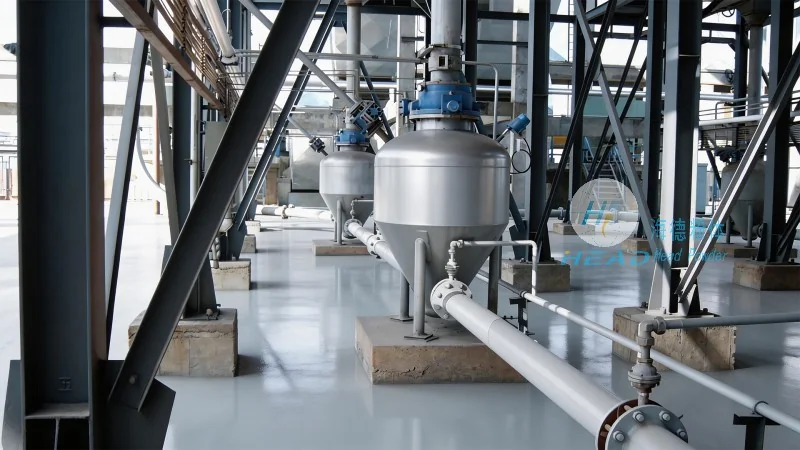
Company Profile: HeadPowder
HeadPowder, as the name suggests, is a professional manufacturer specializing in powder handling and conveying solutions. With its headquarters located in Shandong, China, the company has built a strong reputation in the industry for delivering high-quality, customized equipment tailored to diverse industrial requirements. The company’s commitment to innovation and customer satisfaction has positioned it as a trusted partner for businesses seeking efficient dry sludge and powder transport solutions. HeadPowder’s team of engineers and technicians work closely with clients to understand their specific needs, providing tailored solutions that meet both functional and regulatory requirements.
Key Features of the Conveying Equipment
The dry sludge powder conveying equipment from HeadPowder incorporates several key features that enhance its performance and reliability. These include a robust material handling system designed to handle dry sludge with low moisture content, ensuring minimal blockages and efficient flow. The equipment is equipped with advanced control systems that allow for precise regulation of conveying speed and pressure, optimizing energy consumption and operational costs. Additionally, the design incorporates dust suppression mechanisms, such as air filtration and enclosure systems, to minimize environmental impact and ensure compliance with industrial safety standards. The equipment also features easy maintenance components, such as quick-release connections and accessible service points, reducing downtime and maintenance costs.
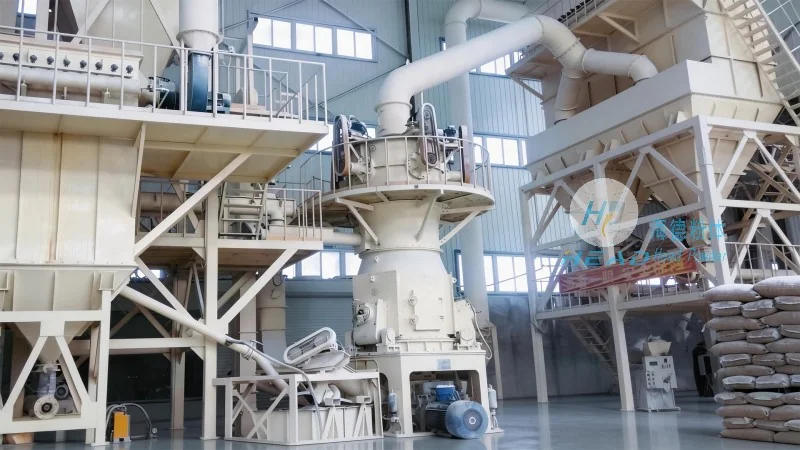
Operation Process of the Equipment
The operation of the dry sludge powder conveying equipment involves several sequential steps, each designed to ensure smooth and efficient material transport. The process begins with the loading of dry sludge into the hopper or inlet of the equipment. The material is then drawn into the conveying system by a positive pressure or vacuum mechanism, depending on the specific design. For positive pressure systems, compressed air is used to push the sludge through the pipeline, while vacuum systems create a suction effect to draw the material. As the sludge moves through the pipeline, it is propelled by the equipment’s motor-driven components, such as rotary valves or airlocks, which maintain consistent flow rates. The conveying process continues until the material reaches the discharge point, where it is released into the designated storage or processing area. Throughout the operation, the system monitors key parameters like pressure, flow rate, and temperature using sensors and control panels, ensuring optimal performance and preventing potential issues like blockages or overpressure.
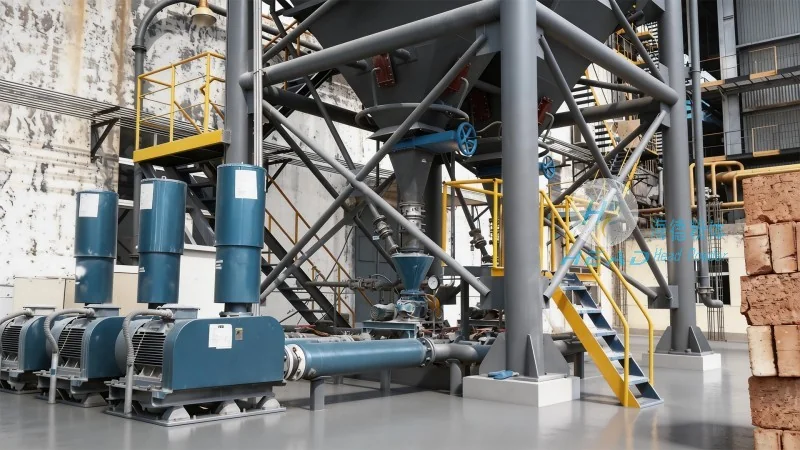
Working Principle of the Equipment
The working principle of the dry sludge powder conveying equipment is based on the principles of pneumatic or mechanical conveying, depending on the specific model. For pneumatic systems, the equipment uses compressed air to create a flow of air and material through the pipeline. The air pressure forces the dry sludge particles to move along the pipeline, while the air velocity is carefully controlled to prevent particle separation or blockage. The system may include components like air filters, regulators, and silencers to ensure clean and efficient air flow. In mechanical systems, the equipment utilizes rotating components, such as screws or augers, to push the material forward through the pipeline. The mechanical design ensures consistent material movement, even with varying particle sizes and moisture content. The screw or auger rotates at a controlled speed, creating a positive displacement that moves the sludge through the pipeline. Both systems are designed to handle dry sludge with low to moderate moisture levels, making them suitable for a wide range of industrial applications, including wastewater treatment, mining, and chemical processing.
Technical Advantages and Applications
The dry sludge powder conveying equipment from HeadPowder offers several technical advantages that make it suitable for various industrial applications. One of the primary advantages is its ability to handle dry sludge with minimal dust generation, which reduces environmental impact and improves workplace safety. The equipment is also designed for high efficiency, with low energy consumption and minimal maintenance requirements. The robust construction ensures long service life, reducing the need for frequent replacements and lowering overall operational costs. Additionally, the system is highly customizable, allowing HeadPowder to tailor the equipment to specific customer needs, such as varying material types, flow rates, and pipeline lengths. The equipment is widely used in industries like wastewater treatment, where the transport of dry sludge from treatment plants to disposal sites is essential for operational efficiency. In mining operations, the equipment is used to transport fine ore powders from processing plants to storage or transport facilities. In chemical processing, it helps move dry powders like catalysts or reagents between processing stages, ensuring consistent and reliable material flow. The versatility of the equipment makes it a valuable asset for businesses in these and other industries.