

Operation Process and Working Principle of Cassava Powder Handling Equipment
HeadPowder, a leading manufacturer in the field of powder handling technology, specializes in providing advanced solutions for the efficient transportation and processing of cassava powder. This article delves into the detailed operation process and working principles of our cassava powder handling equipment, designed to meet the demands of modern industrial applications.

Company Profile
HeadPowder, operating under the full name Shandong HeadPowder Engineering Co., Ltd., is headquartered in Shandong, China. The company has established itself as a trusted provider of high-quality powder handling systems, focusing on innovation and reliability to support clients in the agricultural and food processing sectors.
Overview of Cassava Powder Handling Equipment
The cassava powder handling equipment developed by HeadPowder is engineered to handle the unique characteristics of cassava powder, such as its granular structure, moisture content, and potential for caking. The system integrates multiple components, including feeders, conveyors, and control units, to ensure a seamless and efficient material flow from the source to the processing line.
Operation Process of the Equipment
The operation process of the cassava powder handling equipment begins with the initial feeding stage. Raw cassava powder is introduced into the system through a hopper or bulk container, where it is then transferred to the primary feeder. This feeder, typically a screw or rotary type, regulates the flow rate of the powder, ensuring a consistent and controlled supply to the subsequent conveying stage. The controlled feeding mechanism is crucial for maintaining uniform material movement and preventing overloading or underloading of the conveyor.
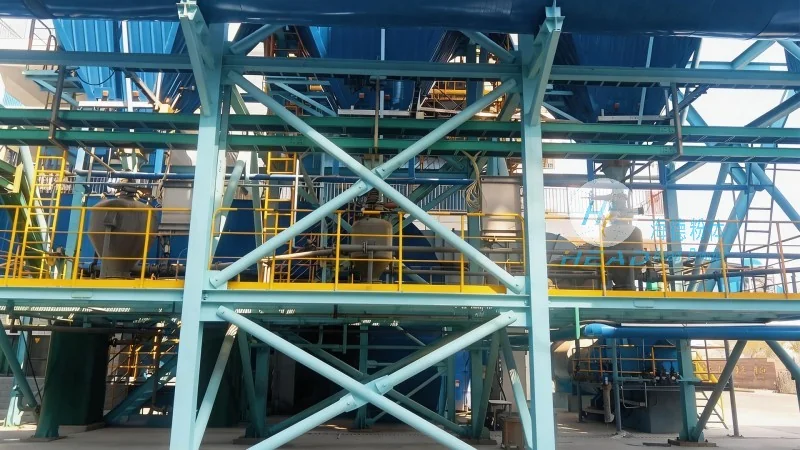
Following the feeder, the cassava powder is directed into a conveyor system. In many applications, a pneumatic or mechanical conveyor is used to transport the powder horizontally or vertically. The conveyor is equipped with appropriate drive mechanisms and tension controls to handle the specific properties of cassava powder, such as its density and potential for abrasiveness. During the conveying process, the powder is continuously monitored for flow consistency, with sensors and control systems adjusting the speed or pressure as needed to maintain optimal performance.
The final stage of the operation involves the discharge of the cassava powder into the processing unit or storage container. The discharge mechanism is designed to ensure a smooth and unobstructed flow, minimizing the risk of blockages or material accumulation. After the powder is fully transferred, the system may undergo a cleaning or maintenance cycle to prepare for the next batch of material.
Working Principle of the Equipment
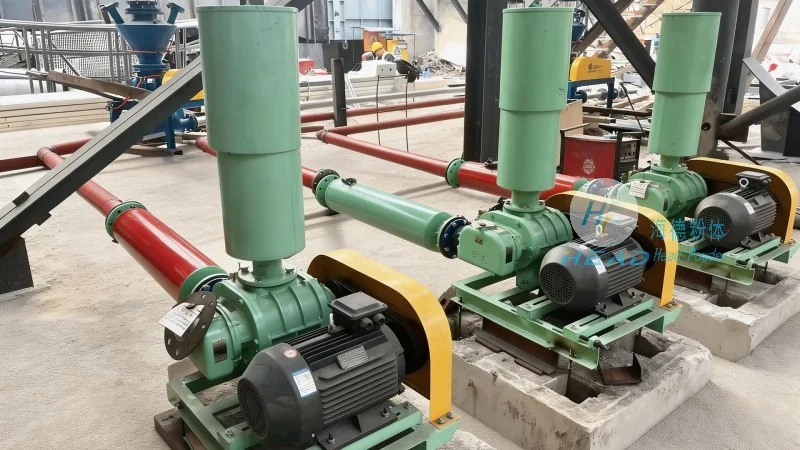
The working principle of the cassava powder handling equipment is based on the principles of mechanical and pneumatic transport, tailored to the specific requirements of cassava powder. The system operates by converting the potential energy of the powder into kinetic energy through the use of feeders and conveyors. The screw feeder, for example, uses rotational motion to push the powder forward, while the pneumatic conveyor utilizes compressed air to create a flow of material through pipes.
Key components of the equipment include the hopper for material storage, the feeder for controlled discharge, the conveyor for transportation, and the control unit for system management. Each component plays a critical role in the overall operation, with the control unit monitoring parameters such as flow rate, pressure, and temperature to ensure the system operates within safe and efficient limits. The integration of these components allows for a continuous and automated process, reducing manual intervention and enhancing productivity.
Key Features and Benefits
HeadPowder's cassava powder handling equipment offers several key features that enhance its performance and reliability. The equipment is designed with durable materials to withstand the abrasive nature of cassava powder, ensuring long-term operation with minimal maintenance. The adjustable feeding and conveying mechanisms allow for flexibility in handling different powder types and processing requirements. Additionally, the system's control unit provides real-time monitoring and data logging, enabling operators to optimize performance and troubleshoot issues quickly.
The benefits of using this equipment include improved efficiency in material handling, reduced downtime due to blockages or clogging, and enhanced safety through automated control systems. By streamlining the transportation process, the equipment helps to minimize material loss and improve overall product quality, making it an essential component for cassava processing facilities.
Conclusion
HeadPowder's cassava powder handling equipment provides a reliable and efficient solution for the transportation and processing of cassava powder. Through its detailed operation process and working principles, the system ensures consistent material flow, reduces operational risks, and supports the productivity of industrial applications. With a focus on quality and innovation, HeadPowder continues to deliver advanced powder handling solutions that meet the evolving needs of the industry.