

Classification and Application Analysis of Film-Coated Sand Pneumatic Conveying Systems
For industries dealing with sand materials, especially those requiring high-quality film-coated sand, the selection of an efficient and reliable pneumatic conveying system is crucial. This article provides a detailed classification and application analysis of film-coated sand pneumatic conveying systems, helping users understand the different types and their practical applications in various industrial settings.
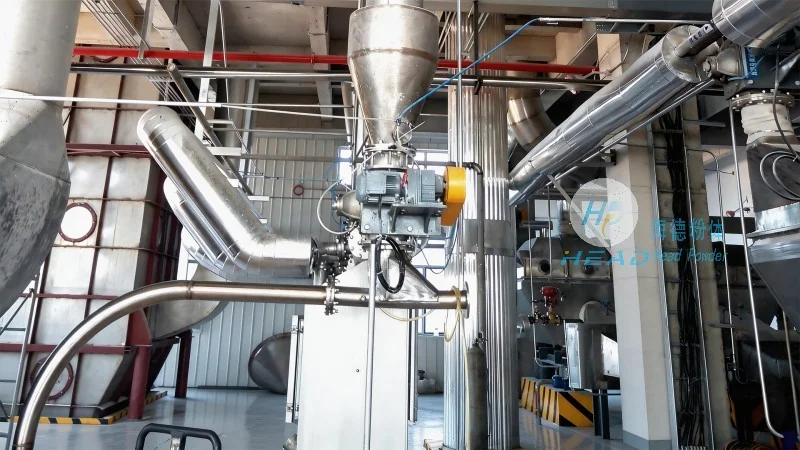
Introduction to Film-Coated Sand Pneumatic Conveying Systems
Film-coated sand, also known as coated sand, is a type of sand with a protective film applied to its surface. This coating enhances the sand's performance in casting processes, improving surface finish and dimensional accuracy. Pneumatic conveying systems are widely used to transport these materials due to their ability to handle fine powders and granules with minimal dust and contamination. The classification of these systems is based on several key factors, including the conveying method, pressure, and application requirements.
Classification of Pneumatic Conveying Systems for Film-Coated Sand
There are primarily two main categories of pneumatic conveying systems: pressure and vacuum systems. Each type has distinct characteristics and is suitable for different operational scenarios.
Pressure Pneumatic Conveying Systems
Pressure systems operate by blowing air or gas into the conveying line under pressure, pushing the material forward. They are commonly used for long-distance and high-volume material transport. In the context of film-coated sand, pressure systems are particularly effective when transporting sand from storage silos to casting machines or other processing units. These systems typically feature a positive displacement blower or a rotary lobe pump as the air source, ensuring consistent pressure and flow rates. The design of pressure systems often includes a hopper, a feeder, and a conveying line, with some models incorporating a filter and cyclone to separate the sand from the air stream. The choice of components, such as the type of blower and the material of the conveying line, is critical to maintain the integrity of the film-coated sand and prevent damage to the coating.
Vacuum Pneumatic Conveying Systems
Vacuum systems, on the other hand, use a vacuum to draw material from the source into the conveying line. They are ideal for short-distance transport and for applications where the material needs to be collected from multiple points. For film-coated sand, vacuum systems are often used in smaller-scale operations or for transferring sand from a mixer to a molding machine. These systems rely on a vacuum pump to create the negative pressure, and they may include a suction head and a collection hopper. The key advantage of vacuum systems is their ability to handle materials that are prone to bridging or caking, as the vacuum helps to break up agglomerates and ensure smooth flow. However, they may require more maintenance due to the higher wear on components from the continuous suction process.
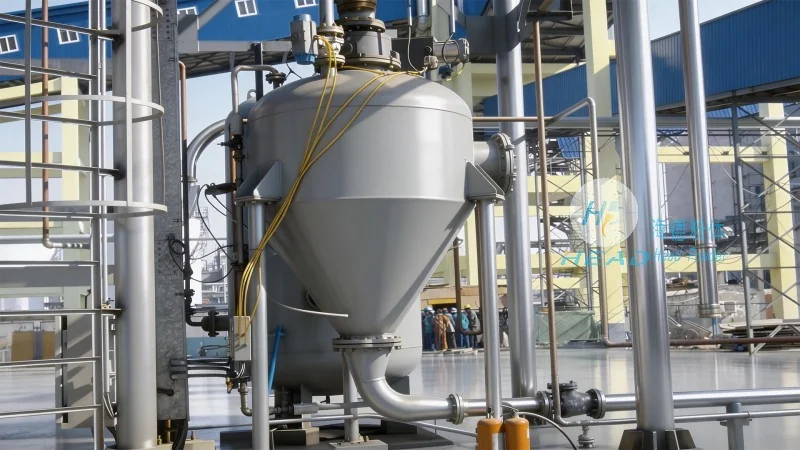
Application Analysis of Different Conveying Systems
The selection of a pneumatic conveying system for film-coated sand depends on several factors, including the distance between the source and destination, the volume of material to be transported, the required flow rate, and the specific characteristics of the sand, such as its moisture content and particle size. Each system type has its own advantages and limitations, which must be carefully considered to ensure optimal performance and cost-effectiveness.
Application in Foundry Industry
In the foundry industry, film-coated sand is a critical material for sand casting. The pneumatic conveying system must be able to transport the sand efficiently from storage to the molding line without compromising the quality of the coating. Pressure systems are often preferred in large-scale foundries due to their ability to handle high volumes and long distances. For example, a pressure system with a positive displacement blower can transport film-coated sand from a silo to a molding machine over several hundred meters, maintaining the integrity of the coating and ensuring consistent material flow. The system may include a hopper with a rotary valve feeder to control the flow rate, and a filter to remove any dust or particles that could affect the casting quality.
Application in Sand Reclamation and Recycling
Another important application of pneumatic conveying systems for film-coated sand is in sand reclamation and recycling processes. After the sand has been used in casting, it needs to be cleaned and recycled. A vacuum system can be used to collect the used sand from the casting area and transport it to a reclamation unit. The vacuum helps to lift the sand from the ground or from a collection hopper, and the conveying line transports it to a cleaning system where the sand is washed and the coating is restored. This process is essential for reducing material costs and minimizing environmental impact. The choice of a vacuum system in this application is due to its ability to handle the used sand, which may contain debris and other contaminants, without causing blockages or damage to the system components.
Application in Sand Blasting and Surface Treatment
Film-coated sand is also used in sand blasting and other surface treatment processes. In these applications, the sand is transported from a storage bin to a blasting machine. A pressure system is typically used for this purpose, as it can provide the necessary pressure to propel the sand at high speeds for effective surface cleaning. The system may include a pressure vessel or a blast cabinet with a conveyor system that feeds the sand into the blasting nozzle. The pressure system ensures that the sand is delivered at a consistent rate and pressure, which is crucial for achieving uniform surface treatment results. The design of the conveying line and the feeder must be such that the film-coated sand is not damaged during transport, as this could affect the blasting performance.
Key Considerations for System Selection and Operation
When selecting a pneumatic conveying system for film-coated sand, several factors must be taken into account to ensure optimal performance and longevity of the equipment. These include the material properties of the sand, such as its particle size distribution, moisture content, and abrasiveness, as well as the operational parameters like flow rate, pressure, and distance. The system must be designed to handle the specific characteristics of the film-coated sand, ensuring that the coating remains intact and the material is conveyed without excessive wear on the system components.
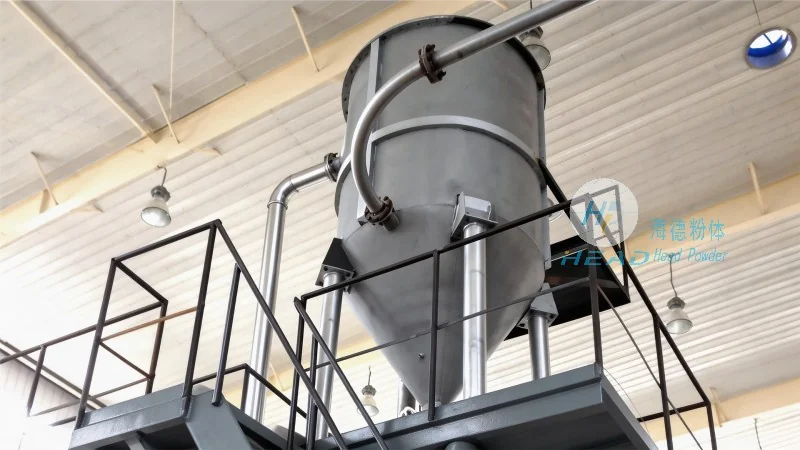
Material Handling and Equipment Design
The design of the conveying system, including the hopper, feeder, and conveying line, plays a critical role in the efficient handling of film-coated sand. The hopper should be designed to prevent material bridging and caking, which can lead to uneven flow and blockages. A rotary valve or a star feeder is often used to control the flow rate from the hopper, ensuring a consistent supply of material to the conveying line. The conveying line itself should be made of materials that are resistant to abrasion and corrosion, such as stainless steel or high-density polyethylene, to prevent damage to the film-coated sand and to extend the life of the system. The use of flexible hoses or flexible connectors may be necessary for systems that require flexibility in the layout, but these must be selected carefully to avoid leaks or pressure losses.
Filter and Dust Control Systems
Due to the fine nature of film-coated sand, dust control is a critical aspect of pneumatic conveying systems. The system must include a filter or a cyclone to separate the sand from the air stream and prevent dust from being released into the environment. The filter should be designed to handle the specific characteristics of the sand, such as its particle size and moisture content, to ensure efficient filtration without clogging. Regular maintenance of the filter is essential to maintain its performance and prevent pressure drops that could affect the conveying efficiency. The use of a dust collection system, such as a baghouse or an electrostatic precipitator, may be required for systems operating in enclosed environments or for applications where strict environmental regulations apply.
System Maintenance and Troubleshooting
Maintenance of the pneumatic conveying system is crucial to ensure its long-term operation and to prevent downtime. Regular inspection of the components, such as the blower, feeder, and conveying line, is necessary to identify any signs of wear or damage. The blower or pump should be checked for proper air flow and pressure, and the motor should be inspected for overheating or unusual noise. The feeder and hopper should be checked for material buildup or clogging, and the filter should be cleaned or replaced as needed. Troubleshooting common issues, such as blockages or pressure drops, requires a systematic approach, starting with checking the source material and then moving to the system components. Proper maintenance and timely repairs can significantly extend the life of the system and reduce operational costs.
Conclusion
Pneumatic conveying systems are essential for the efficient and reliable transport of film-coated sand in various industrial applications. The classification of these systems into pressure and vacuum types, along with their specific applications in foundry, sand reclamation, and surface treatment, highlights the importance of selecting the right system based on operational requirements. Key considerations, including material handling, dust control, and system maintenance, are critical to ensure optimal performance and longevity of the equipment. By understanding the different types and their applications, industries can make informed decisions when selecting a pneumatic conveying system for their film-coated sand needs, ultimately improving operational efficiency and product quality.