

Operation Process and Working Principle of Gray Calcium Pneumatic Conveying Lines
Gray calcium, a vital raw material in numerous industrial sectors including cement manufacturing, construction materials, and chemical processing, demands efficient and reliable transportation solutions to maintain seamless production workflows. Pneumatic conveying systems, specifically engineered for handling gray calcium, provide a robust method that combines operational flexibility with material integrity. This article explores the operation process and working principles of such systems, detailing how they ensure effective material transport while addressing the unique characteristics of gray calcium.

Core Components of a Gray Calcium Pneumatic Conveying Line
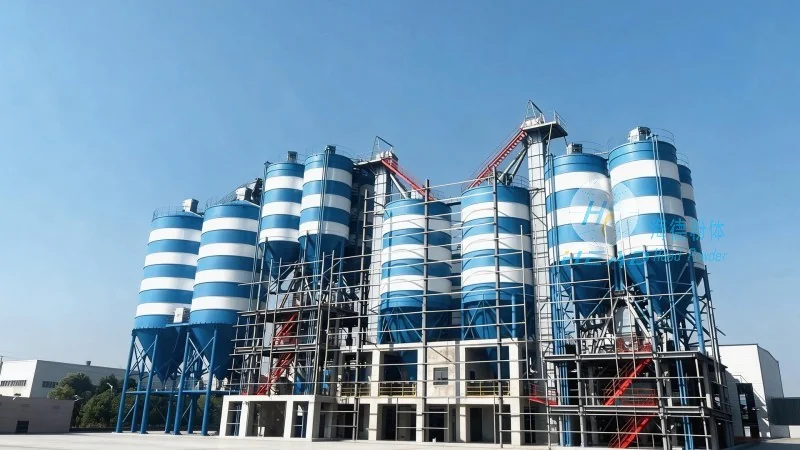
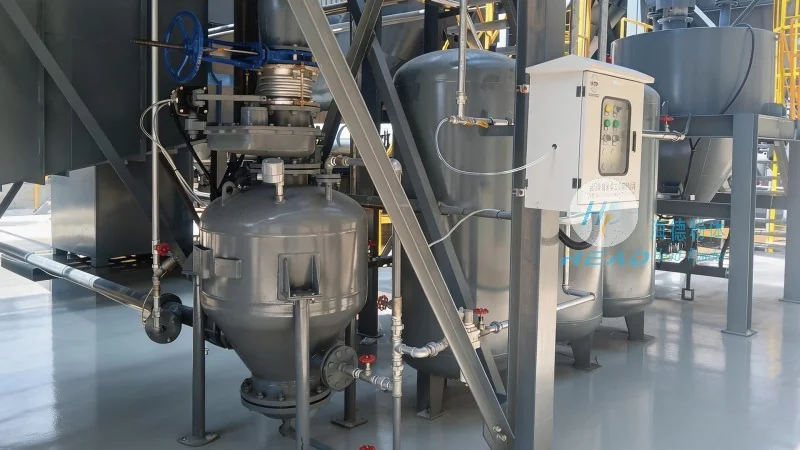
A standard gray calcium pneumatic conveying line comprises several interdependent components that work in unison to facilitate material movement. The primary components include the material hopper, which serves as the storage and feeding unit; the air compressor or blower, responsible for generating the necessary air pressure; the conveying pipeline network, which transports the material-air mixture; and the discharge hopper or receiver, where the material is collected. Each component is designed to optimize performance, with the hopper ensuring consistent material feed, the compressor maintaining stable pressure, and the pipeline minimizing pressure loss through strategic bends and fittings.
Working Principle of Pneumatic Conveying for Gray Calcium
The fundamental working principle of a gray calcium pneumatic conveying system relies on compressed air to move material particles through a sealed pipeline. When the air compressor activates, it generates a high-pressure air stream that is directed into the conveying pipeline. Gray calcium, typically in a dry or semi-dry state, is fed from the hopper into the system, where it mixes with the air stream. As the air and material mixture travels through the pipeline, the air's kinetic energy propels the material particles forward. The pipeline design, including elbows and transition pieces, is optimized to reduce pressure drop and ensure consistent flow. The discharge hopper then separates the material from the air, allowing the material to be collected for subsequent processing steps.
Operation Process of a Gray Calcium Pneumatic Conveying Line
The operation process of a gray calcium pneumatic conveying line involves a series of sequential steps that ensure smooth and continuous material transport. Initially, the material is loaded into the hopper, where it is stored until required. The air compressor is then activated, establishing the necessary air pressure. Material is fed into the conveying pipeline as the air stream moves through it, carrying the particles to the discharge hopper. The system operates continuously, with the air compressor maintaining consistent pressure to prevent interruptions. During operation, the system monitors pressure and flow rates to detect anomalies and adjust parameters as needed. The discharge hopper collects the material, which is subsequently transferred to the next stage of the production process. This cycle repeats as needed, providing a steady supply of gray calcium for industrial applications.
Advantages and Industrial Applications
Gray calcium pneumatic conveying systems offer several key benefits that make them ideal for handling this material. These advantages include the ability to transport material over long distances without intermediate transfer points, reduced risk of material contamination due to enclosed systems, and lower maintenance requirements compared to traditional mechanical conveying methods. The systems are widely utilized in industries such as cement production, where gray calcium is a critical component, and in construction material manufacturing, where efficient handling supports overall operational efficiency. By leveraging these systems, industries can enhance productivity and maintain high standards of material integrity throughout the processing chain.
Conclusion
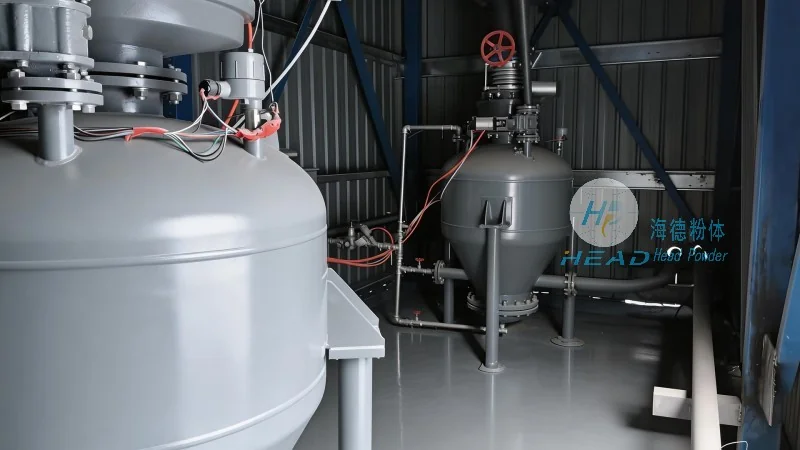
In summary, gray calcium pneumatic conveying lines represent a sophisticated solution for the efficient transportation of gray calcium in industrial settings. Their operation process, based on compressed air and optimized components, ensures reliable and consistent material flow. By understanding the working principles and operational steps, industries can effectively implement these systems to support their production needs. Companies like Shandong HeadPowder Engineering Co., Ltd. specialize in designing and manufacturing such systems, providing tailored solutions that meet the specific requirements of gray calcium handling in various industrial applications.