

Operation Process and Working Principle of Magnesia Sand Pneumatic Conveying Line
HeadPowder, a leading manufacturer based in Shandong, China, specializes in the design and production of advanced pneumatic conveying systems for industrial applications. This article provides a detailed overview of the operation process and working principle of a magnesia sand pneumatic conveying line, highlighting key components, operational steps, and the technical advantages of such systems.
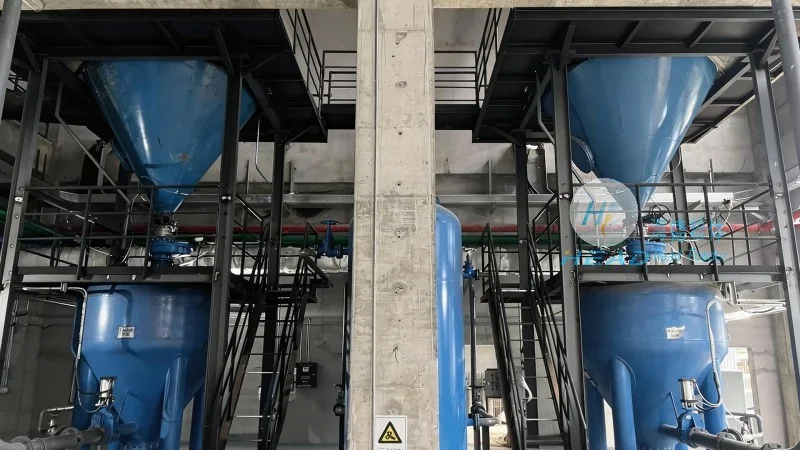
Introduction to Magnesia Sand and Pneumatic Conveying
Magnesia sand, a high-purity form of magnesium oxide (MgO), is widely used in the production of refractory materials, ceramics, and other industrial products due to its excellent thermal stability and chemical resistance. Conventional handling methods for magnesia sand often involve manual or mechanical conveying, which can be inefficient, dusty, and pose safety risks. Pneumatic conveying offers a solution by enabling the transport of magnesia sand in a closed system using air or other gases, ensuring a clean, safe, and efficient process.
Key Components of a Magnesia Sand Pneumatic Conveying Line
A typical magnesia sand pneumatic conveying system consists of several critical components that work in tandem to ensure reliable operation. These include:
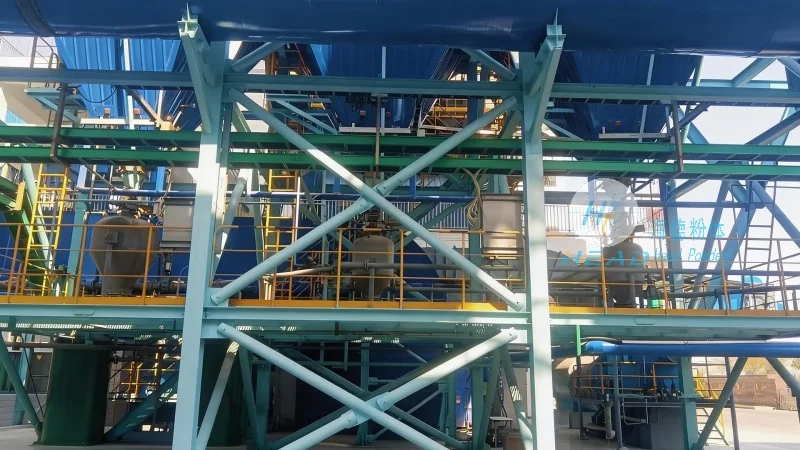
- Feeder: The feeder is responsible for feeding magnesia sand from the storage hopper into the conveying line. It can be a rotary valve, screw feeder, or other type of feeder that maintains a consistent flow rate.
- Conveying Pipe: The main pipeline through which the magnesia sand is transported. The pipe is usually made of stainless steel or other corrosion-resistant materials to withstand the abrasive nature of magnesia sand.
- Air Supply System: This includes a blower or fan that generates the necessary airflow to move the sand particles. The air supply is typically filtered to remove contaminants and maintain system efficiency.
- Control System: The control system monitors and regulates the operation of the conveying line, including flow rate, pressure, and air volume. It ensures that the system operates within safe and optimal parameters.
- Receiver: The receiver is the final destination where the magnesia sand is deposited. It may include a hopper or storage tank to collect the material.
Working Principle of the Magnesia Sand Pneumatic Conveying Line
The working principle of a magnesia sand pneumatic conveying line is based on the principle of fluidization and drag. When the blower starts, it generates a high-velocity airflow that enters the conveying pipe. The feeder then introduces magnesia sand particles into the pipe, where the air flow lifts and transports them. The sand particles are carried along the pipe by the airflow, which creates a suspension of particles in the air. The velocity of the air is maintained at a level sufficient to keep the particles suspended and prevent them from settling.
Operation Process of the Magnesia Sand Pneumatic Conveying Line
The operation process of a magnesia sand pneumatic conveying line involves several steps to ensure smooth and efficient transport. The following is a step-by-step overview:
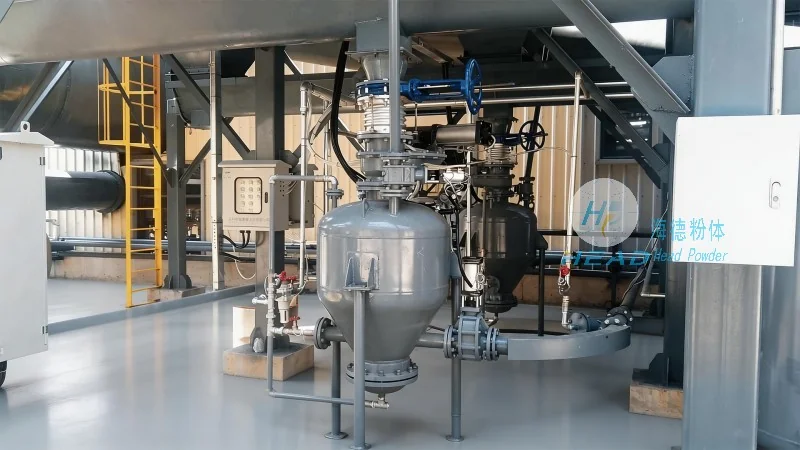
- Preparation: Before starting the system, all components are checked for proper alignment, tight connections, and the absence of blockages. The storage hopper is filled with magnesia sand, and the control system is set to the desired parameters.
- Start-up: The blower is turned on, and the airflow is initiated. The feeder is then activated to start feeding magnesia sand into the conveying line. The control system monitors the pressure and flow rate to ensure the system is operating correctly.
- Running Period: During operation, the system continuously transports magnesia sand from the feeder to the receiver. The control system adjusts the airflow and feeder speed as needed to maintain a consistent flow rate. Operators monitor the system for any signs of blockages or pressure drops.
- Shutdown: When the conveying operation is complete, the feeder is stopped first, followed by the blower. The system is then allowed to depressurize, and any remaining sand is emptied from the receiver.
- Maintenance: Regular maintenance is performed to ensure the longevity and efficiency of the system. This includes cleaning the filter, checking for wear on components, and replacing any worn parts.
Advantages of Using a Magnesia Sand Pneumatic Conveying Line
Implementing a pneumatic conveying system for magnesia sand offers several advantages over traditional conveying methods. These include:
- Improved Safety: The closed system prevents dust from being released into the environment, reducing the risk of respiratory issues and fire hazards.
- Enhanced Efficiency: Pneumatic conveying allows for continuous, high-volume transport of magnesia sand, reducing downtime and increasing productivity.
- Reduced Labor Costs: Automated systems minimize the need for manual handling, lowering labor costs and improving workplace safety.
- Cleaner Operation: The enclosed system keeps the working environment clean and free from dust, improving the overall working conditions.
- Flexibility: Pneumatic conveying systems can be easily adapted to different production requirements, allowing for changes in flow rate or destination without major modifications.
Conclusion
Shandong HeadPowder Engineering Co., Ltd. specializes in providing high-quality magnesia sand pneumatic conveying lines that meet the specific needs of industrial applications. By understanding the operation process and working principle of such systems, businesses can optimize their material handling processes, improve safety, and enhance overall efficiency. With proper design, installation, and maintenance, a pneumatic conveying line can provide long-term benefits and contribute to the success of industrial operations.