

Operation Process and Working Principle of Small Bag Weighing Feeding Pneumatic Conveying Line
This equipment is designed for efficient and precise material handling in industrial settings, particularly for bulk materials that are typically packaged in small bags. The system integrates weighing, feeding, and pneumatic conveying functions to streamline the material transfer process from the bag to the processing or storage area. It is widely used in industries such as chemical, food, and pharmaceuticals where accurate dosage and consistent material flow are critical.
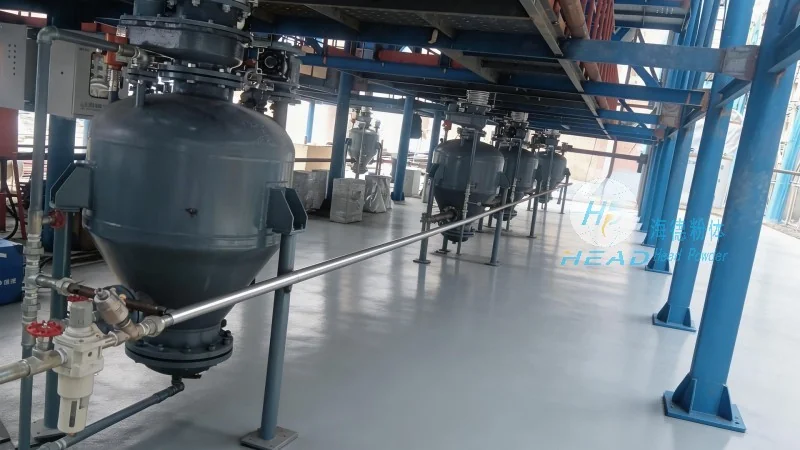
Company Overview: Shandong HeadPowder Engineering Co., Ltd.
As a leading manufacturer in the field of powder and bulk material handling solutions, Shandong HeadPowder Engineering Co., Ltd. specializes in developing advanced equipment tailored to meet the specific needs of various industries. With a strong commitment to quality and innovation, the company has established itself as a trusted partner for businesses seeking reliable and efficient material handling systems. HeadPowder's expertise lies in designing customized solutions that enhance productivity while ensuring compliance with industry standards.
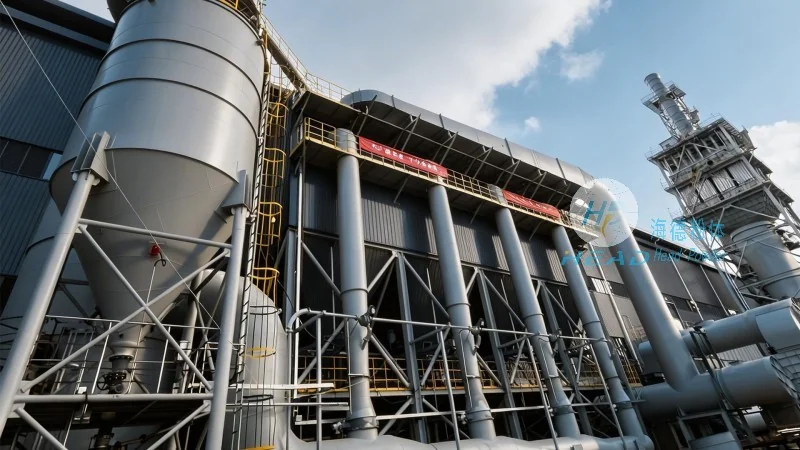
Key Features and Technical Specifications
The small bag weighing feeding pneumatic conveying line from HeadPowder is engineered with several key features that set it apart from conventional systems. It incorporates high-precision load cells for accurate weight measurement, ensuring that the exact amount of material is dispensed from each bag. The feeding mechanism is designed to handle various bag sizes and materials, including paper, plastic, and composite bags, with minimal downtime. The pneumatic conveying section utilizes a combination of positive and negative pressure to transport the material, offering flexibility in system layout and material handling. Technical specifications include adjustable conveying speeds, multiple material discharge points, and integrated safety features to prevent overloading or system failure.
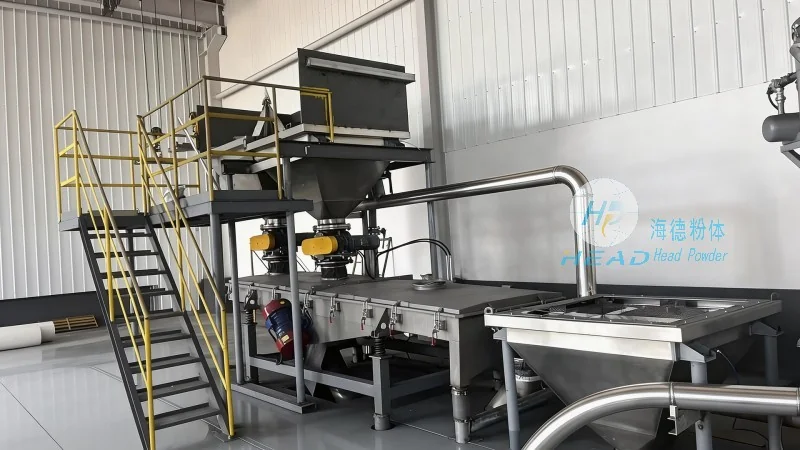
Operation Process of the System
The operation of the small bag weighing feeding pneumatic conveying line involves several sequential steps. First, the small bags containing the bulk material are placed on the weighing platform. The system then automatically measures the weight of the material in the bag, ensuring accurate dosage. Once the weighing is complete, the bag is positioned under the feeding hopper, and the material is discharged into the hopper. The feeding mechanism then regulates the flow of material into the pneumatic conveying line. The conveying system then transports the material to the desired destination, such as a silo, storage tank, or processing unit. The entire process is automated, reducing manual intervention and minimizing the risk of human error. The system can handle multiple bags simultaneously, increasing throughput and operational efficiency.
Working Principle of the Pneumatic Conveying Line
The working principle of the pneumatic conveying line is based on the movement of material using a fluid medium, typically air. The system operates by creating a pressure differential between the inlet and outlet of the conveying line. In the positive pressure system, air is forced through the line, carrying the material particles along with it. In the negative pressure system, air is drawn out of the line, creating a vacuum that pulls the material into the line. The small bag weighing feeding unit integrates with the pneumatic system by first weighing the material and then feeding it into the conveying line. The material is then suspended in the air stream and transported to the destination. The system uses a combination of these principles to achieve efficient and reliable material transfer, with adjustable parameters to accommodate different material characteristics and system requirements.
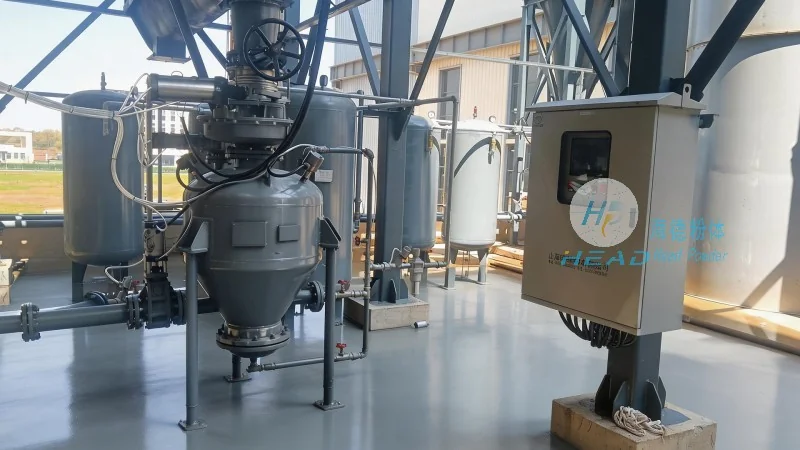
Benefits and Applications
The small bag weighing feeding pneumatic conveying line offers numerous benefits to industrial operations. It enhances productivity by automating the material handling process, reducing labor costs and increasing throughput. The high-precision weighing ensures accurate material dosing, which is crucial for processes that require consistent material composition, such as chemical manufacturing or food processing. The system also improves safety by minimizing manual handling of bulk materials, reducing the risk of dust exposure and accidents. Additionally, the flexible design allows for easy integration into existing production lines, making it a cost-effective solution for businesses looking to upgrade their material handling capabilities. This equipment is particularly suitable for applications in the chemical, food, pharmaceutical, and agricultural industries, where the handling of powders and bulk materials is essential.