

Operation Process and Working Principle of an Aluminum Turnings Pneumatic Conveying Line
Handling aluminum turnings with precision and efficiency is crucial in industrial settings, and pneumatic conveying systems provide an effective solution. These systems utilize air pressure or vacuum to transport aluminum turnings through a closed pipeline network. As a trusted provider in the industry, Shandong HeadPowder Engineering Co., Ltd. (headpowder) offers specialized pneumatic conveying lines that are engineered to meet the unique demands of aluminum processing operations.
Key Components of a Pneumatic Conveying Line for Aluminum Turnings
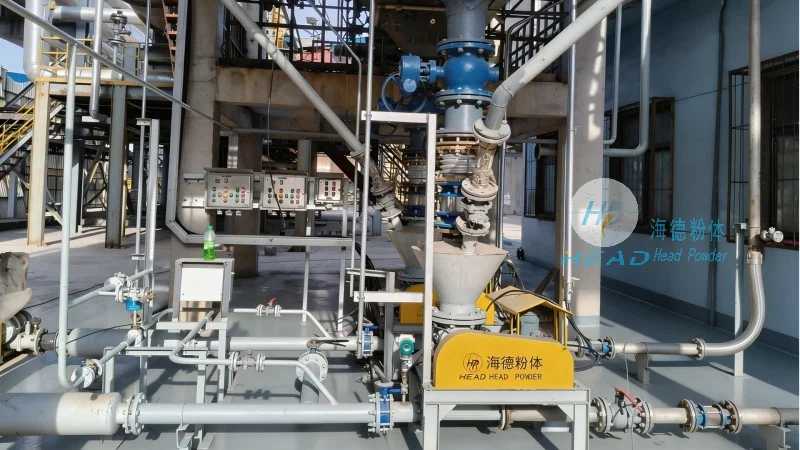
A typical aluminum turnings pneumatic conveying line consists of several critical components that work in harmony to ensure smooth material transport. The main elements include a material feeder, which feeds aluminum turnings into the system; a conveying pipeline, which transports the material; a separation or filtration system, which removes air and fine particles; and a collection hopper, which stores the processed aluminum turnings. Each component plays a vital role in maintaining the efficiency and safety of the overall operation.
The Operation Process of an Aluminum Turnings Pneumatic Conveying Line
The operation of a pneumatic conveying line for aluminum turnings begins with the preparation phase. The system is first checked for proper functionality, including checking the air pressure or vacuum levels, ensuring all valves are in the correct position, and verifying that the material feeder is ready to supply aluminum turnings. Once the system is ready, the operation proceeds as follows:

- Material Feeding: Aluminum turnings are fed into the system through the material feeder. The feeder may be a rotary valve or a screw feeder, which controls the flow rate of the material into the pipeline.
- Conveying Phase: As the feeder releases aluminum turnings, the system either generates a vacuum (in suction mode) or increases air pressure (in pressure mode) to draw the material into the pipeline. The air flow carries the aluminum turnings along the pipeline, ensuring they are transported to the destination point.
- Separation and Filtration: Upon reaching the separation or filtration unit, the air and fine particles are separated from the aluminum turnings. This step is essential to prevent dust accumulation and maintain air quality. The separated air is then discharged, while the aluminum turnings are collected in the hopper.
- Collection and Discharge: The aluminum turnings collected in the hopper are then discharged into a storage container or directly to the next processing stage. The system continues to operate until the desired amount of material has been transported.
Working Principle of Pneumatic Conveying for Aluminum Turnings
The working principle of a pneumatic conveying line for aluminum turnings is based on the principles of fluid dynamics and particle transport. In suction mode, the system creates a negative pressure in the pipeline, which draws aluminum turnings from the feeder and transports them to the separation unit. In pressure mode, the system uses positive pressure to push the material through the pipeline. The velocity of the air flow is carefully controlled to ensure that the aluminum turnings are carried without causing blockages or excessive wear on the system components.
Advantages of Using Pneumatic Conveying for Aluminum Turnings
Employing a pneumatic conveying line for aluminum turnings offers several advantages over traditional methods like bucket elevators or belt conveyors. These advantages include:
- Reduced Downtime and Maintenance: Pneumatic systems have fewer moving parts compared to mechanical conveyors, leading to lower maintenance requirements and reduced downtime.
- Improved Safety: The enclosed pipeline design minimizes the risk of dust exposure and material spillage, creating a safer working environment.
- Efficient Material Handling: Pneumatic conveying allows for continuous and uniform material transport, which is ideal for high-volume aluminum turnings processing.
- Space Efficiency: The compact design of pneumatic systems makes them suitable for installations with limited space, as they do not require large vertical or horizontal structures.
Customization and Application in Aluminum Processing
Shandong HeadPowder Engineering Co., Ltd. specializes in customizing pneumatic conveying lines to suit the specific needs of aluminum processing facilities. Whether for primary or secondary aluminum production, the company designs systems that can handle various particle sizes and flow rates. The aluminum turnings pneumatic conveying lines are suitable for applications such as transporting turnings from a grinding or milling process to a melting furnace, or for moving turnings between different processing stages in a production line.
Conclusion
Aluminum turnings pneumatic conveying lines are an essential component in modern aluminum processing operations. By understanding the operation process and working principles of these systems, industries can optimize their material handling processes, improve efficiency, and enhance safety. With expertise and experience, Shandong HeadPowder Engineering Co., Ltd. continues to provide reliable and efficient pneumatic conveying solutions for aluminum turnings, supporting the growth and development of the aluminum industry.