

The Operation Process and Working Principle of Chicken Essence Pneumatic Conveying Lines
For manufacturers dealing with powdered products like chicken essence, efficient and reliable material handling is crucial. Pneumatic conveying lines offer a sophisticated solution that ensures seamless transportation of these fine powders from one processing stage to another. This article delves into the operation process and working principle of chicken essence pneumatic conveying lines, highlighting the technical aspects and practical applications that make them indispensable in the industry.
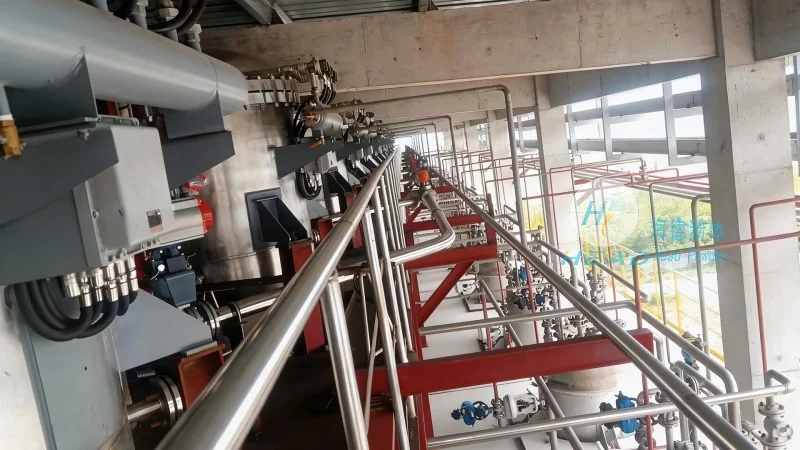
HeadPowder, a leading engineering company based in Shandong, China, specializes in designing and implementing advanced pneumatic conveying systems tailored to the needs of food processing industries. With a strong commitment to quality and innovation, HeadPowder has established itself as a trusted partner for businesses seeking to optimize their material handling operations. The company’s headquarters and primary operations are located in Shandong, China, where it leverages local expertise and resources to deliver cutting-edge solutions.
Step 1: Material Feeding and Preparation
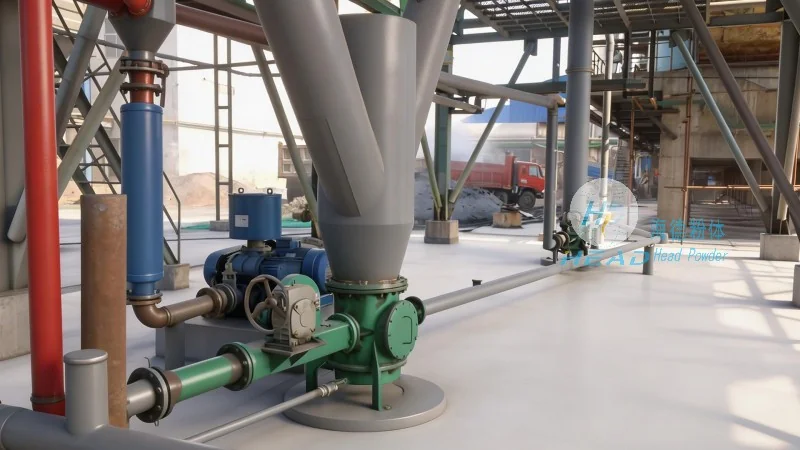
The process starts with the loading of chicken essence powder into a storage hopper. This hopper is equipped with a feeder, such as a rotary valve or a screw feeder, which controls the flow rate of the material into the conveying line. The feeder ensures that the material is introduced at a consistent rate, preventing overloading or underloading of the system. Proper feeding is critical to maintain the efficiency and stability of the pneumatic conveying line.
Step 2: Conveying via Air Pressure
Once the material is fed into the system, it is transported through a network of pipes using compressed air. The conveying line operates under either positive pressure (where air is forced into the system) or negative pressure (where air is drawn out of the system). In the case of chicken essence, positive pressure systems are commonly used due to their ability to handle fine powders without causing dust or clogging. The compressed air creates a flow that propels the powder particles through the pipes, maintaining a uniform velocity and preventing particle separation or segregation.
Step 3: Separation and Deposition
At the receiving end of the conveying line, the material is separated from the air stream and deposited into the target container or processing unit. This is achieved through a separator, which may be a cyclone or a filter system. The separator uses centrifugal force to separate the powder from the air, ensuring that the material is collected efficiently and without loss. The deposited powder is then ready for the next stage of processing, such as mixing, packaging, or further refinement.
Working Principle of Pneumatic Conveying Lines
The core working principle of a chicken essence pneumatic conveying line revolves around the interaction between solid particles (the chicken essence powder) and a gas stream (compressed air). This system operates on the principle of fluidization, where the air flow creates a suspension of the powder particles within the pipe. The key components of the system, including the feeder, pipes, and separator, are designed to optimize this suspension and ensure efficient transport.
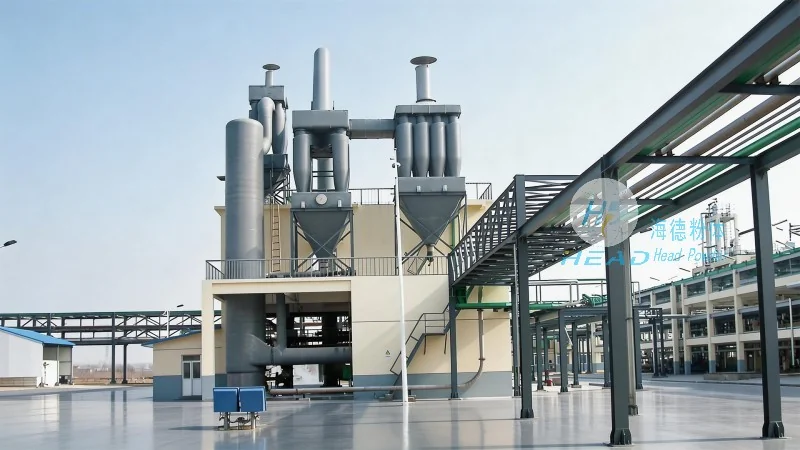
In a positive pressure system, compressed air is introduced into the conveying line, creating a pressure differential that drives the material forward. The air velocity is carefully controlled to maintain the powder in a suspended state, preventing it from settling or clogging the pipes. The design of the pipes, including their diameter and length, is critical to achieving the desired flow rate and pressure drop. Proper sizing ensures that the system operates efficiently without excessive energy consumption or pressure loss.
For negative pressure systems, the air is drawn out of the system using a vacuum pump, creating a suction force that pulls the powder particles into the pipe. This method is often used for shorter conveying distances or when the material needs to be transported from a lower to a higher elevation. The vacuum pump maintains a consistent suction pressure, ensuring that the material is continuously drawn into the system. The choice between positive and negative pressure depends on factors such as the distance to be covered, the elevation change, and the characteristics of the powder being conveyed.
Advantages of Pneumatic Conveying for Chicken Essence
Implementing a pneumatic conveying line for chicken essence offers several advantages over traditional material handling methods. One of the primary benefits is the ability to handle fine powders without generating dust, which is a significant concern in food processing applications. The enclosed system prevents contamination and ensures that the powder remains clean and free from external particles. Additionally, pneumatic conveying is highly efficient, as it can transport large volumes of material over long distances with minimal energy consumption compared to other methods like belt conveyors or bucket elevators.
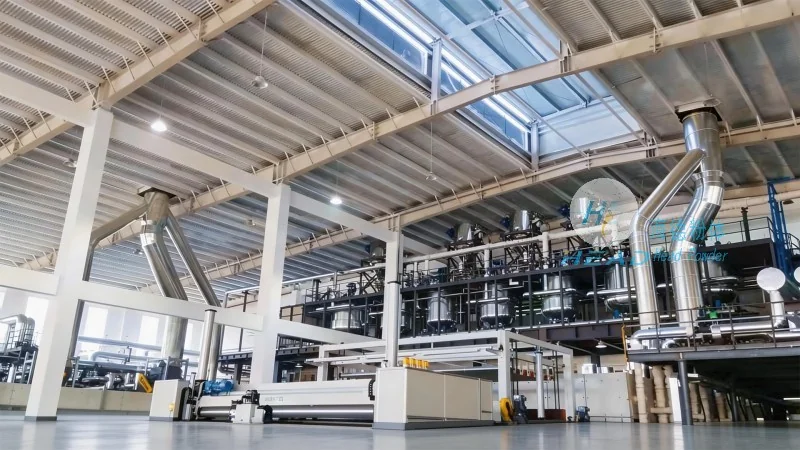
Another key advantage is the flexibility of the system. Pneumatic conveying lines can be easily modified or expanded to accommodate changes in production volume or process requirements. The modular design allows for the addition of new components, such as extra pipes or feeders, without disrupting the entire operation. This adaptability makes the system suitable for both small-scale and large-scale production facilities. Furthermore, the system is relatively low-maintenance, as it has fewer moving parts compared to mechanical conveyors, reducing the risk of breakdowns and downtime.
HeadPowder’s expertise in designing and manufacturing pneumatic conveying systems ensures that clients receive tailored solutions that meet their specific needs. By leveraging advanced engineering and local manufacturing capabilities, HeadPowder delivers systems that are not only efficient but also cost-effective and reliable. The company’s commitment to quality control and customer satisfaction has made it a preferred choice for businesses in the food processing industry, particularly those dealing with sensitive powders like chicken essence.