

Operation Process and Working Principle of Salt Pneumatic Conveying System
Understanding the operation process and working principle of a salt pneumatic conveying system is crucial for optimizing material handling efficiency in various industrial applications. This system is designed to transport bulk salt through a pipeline using air pressure, offering a reliable and efficient method for moving large quantities of material over short to medium distances. The following sections will delve into the step-by-step operation process and the underlying principles that enable the system to function effectively.
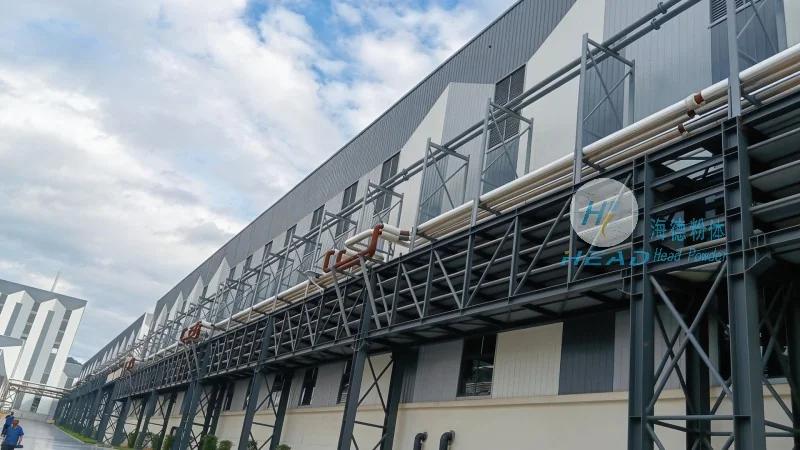
Key Components of a Salt Pneumatic Conveying System
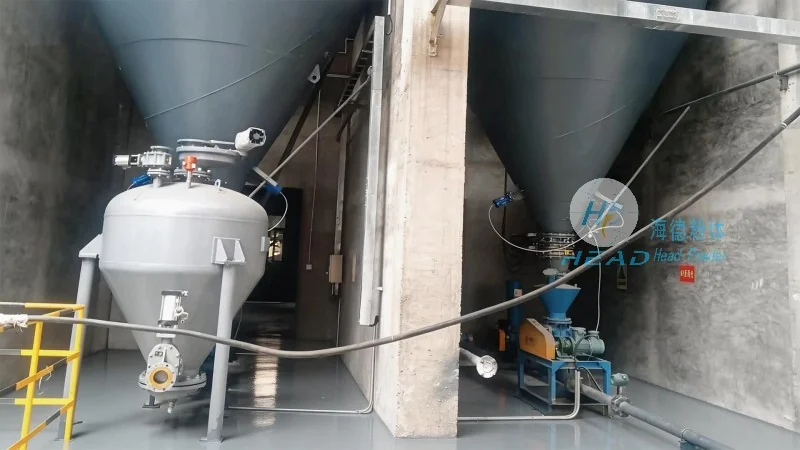
A typical salt pneumatic conveying system consists of several essential components that work in tandem to ensure smooth material transport. These components include a hopper for material storage, a feeder to control the flow of salt into the system, a conveying line (usually made of stainless steel or other corrosion-resistant materials to handle salt's properties), a blower or air compressor to generate the necessary air pressure, and a receiver or discharge hopper at the end of the line. Each component plays a critical role in maintaining the system's performance and ensuring the integrity of the salt being conveyed.
The Step-by-Step Operation Process
The operation of a salt pneumatic conveying system follows a systematic sequence of steps, each designed to ensure efficient and safe material transport. The process begins with the loading of salt into the hopper. The feeder then regulates the flow of salt into the conveying line, preventing overloading and maintaining a consistent feed rate. Simultaneously, the blower generates a high-pressure air stream that travels through the conveying line. As the air passes through the feeder, it picks up the salt particles and carries them along the pipeline to the receiver. The air and salt mixture then enters the receiver, where the air is separated from the salt, typically through a cyclone or other separation device. The separated salt is collected in the receiver, while the air is either vented to the atmosphere or recycled back into the system for energy efficiency. This cycle repeats continuously as long as the system is operational, allowing for uninterrupted material handling.
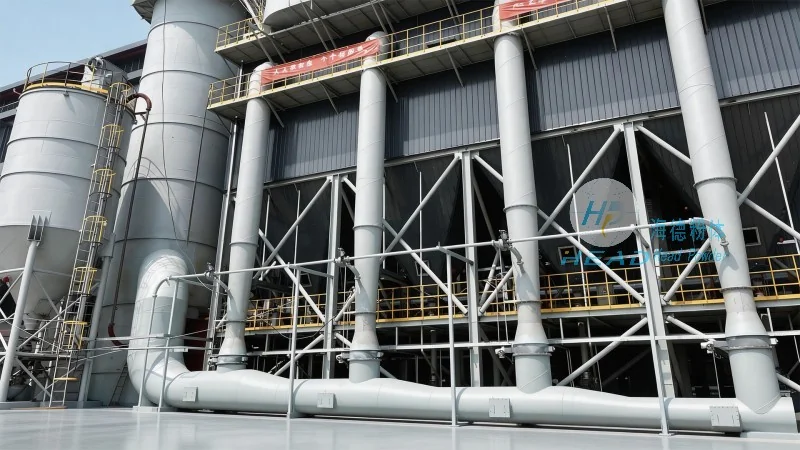
Working Principle of the Pneumatic Conveying Mechanism
The core working principle of a salt pneumatic conveying system is based on the use of air pressure to transport solid particles. This method is known as pneumatic conveying and relies on the interaction between the air stream and the salt particles. The system operates under either positive pressure (where air is forced into the conveying line) or negative pressure (where air is drawn out of the line). In a positive pressure system, the blower pushes air into the line, creating a pressure differential that propels the salt particles forward. The velocity of the air stream is critical; it must be sufficient to overcome the gravitational force of the salt and the friction within the pipeline, ensuring that the particles remain suspended and move efficiently. The design of the conveying line, including its diameter and length, is carefully calculated to maintain the optimal air velocity and pressure to prevent particle deposition or blockages. Additionally, the system may incorporate features such as pulse jets or rotary valves to further enhance the conveying efficiency and prevent material buildup.
Advantages of Using a Salt Pneumatic Conveying System
Implementing a salt pneumatic conveying system offers several advantages over traditional material handling methods. One of the primary benefits is the ability to transport large quantities of salt over long distances with minimal labor and equipment. The system is also highly flexible, as it can be easily integrated into existing industrial setups and adapted to different production requirements. Furthermore, pneumatic conveying systems are generally more hygienic and cleaner than traditional methods, as they minimize dust and contamination, which is particularly important in food processing or pharmaceutical applications where salt is used. The system's ability to handle varying salt compositions and particle sizes also makes it versatile for different industrial needs. Additionally, the energy efficiency of modern pneumatic conveying systems, especially those with air recycling features, reduces operational costs and environmental impact.
Application Scenarios and Industrial Use Cases
Salt pneumatic conveying systems are widely used in various industries where bulk salt handling is required. In the food industry, these systems are employed in salt production facilities, processing plants, and distribution centers to transport raw salt and finished products efficiently. The chemical industry also utilizes such systems for transporting salt in chemical processing plants, where the system's ability to handle corrosive or abrasive materials is advantageous. Additionally, in the mining and mineral processing sectors, pneumatic conveying systems are used to transport salt from storage areas to processing equipment, ensuring a continuous and reliable supply of material. The system's adaptability to different salt types and processing environments makes it a preferred choice for industries that require consistent and high-volume material transport.
Maintenance and Operational Considerations
To ensure the long-term performance and reliability of a salt pneumatic conveying system, regular maintenance and proper operational considerations are essential. Regular cleaning of the conveying line and components is necessary to prevent salt buildup and blockages, which can reduce system efficiency and increase maintenance costs. The blower and air compressor should be checked regularly for proper operation and energy consumption, as any inefficiencies can impact the system's performance. Additionally, monitoring the air pressure and flow rates is crucial to maintain optimal conveying conditions. In cases where the system is used for corrosive salt, using corrosion-resistant materials for the components is vital to prevent degradation and ensure system longevity. Proper training of operators on the system's operation and maintenance procedures is also important to minimize downtime and maximize system uptime.