

Operation Process and Working Principle of Pneumatic Conveying System for Foundry Sand
HeadPowder, a leading provider of engineering solutions in the foundry industry, specializes in the design, manufacturing, and implementation of pneumatic conveying systems tailored for the efficient handling of foundry sand. This article delves into the operation process and working principle of such systems, highlighting their critical role in modern sand processing and the benefits they offer to foundry operations.
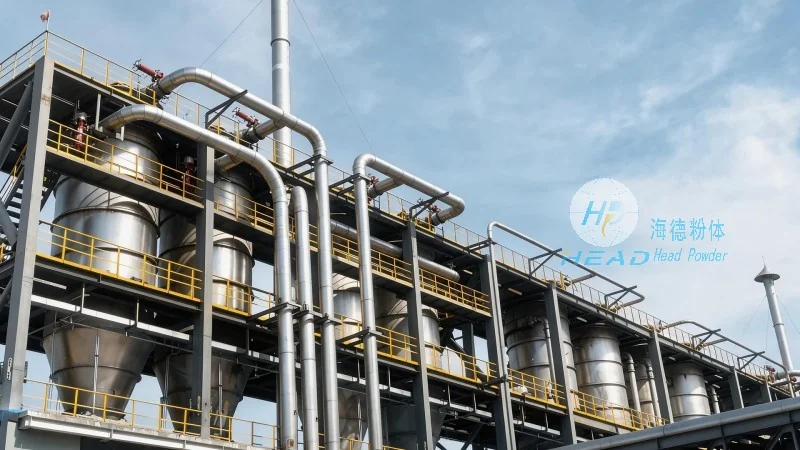
Company Overview: Shandong HeadPowder Engineering Co., Ltd.
HeadPowder, with its headquarters in Shandong, China, is dedicated to delivering high-quality, reliable, and efficient pneumatic conveying solutions. The company's expertise lies in understanding the unique challenges of foundry sand handling, including dust control, material flow optimization, and system durability. By leveraging advanced engineering and robust manufacturing processes, HeadPowder ensures that its systems meet the stringent requirements of foundry applications, providing long-term performance and minimal maintenance.
Working Principle of Pneumatic Conveying Systems
Pneumatic conveying systems operate by transporting bulk materials, such as foundry sand, through a pipeline using air or other gases. The core principle involves creating a pressure differential between the inlet and outlet of the system, which propels the material along the pipeline. There are two primary types of pneumatic conveying systems: pressure and vacuum. Pressure systems use compressed air to push the material, while vacuum systems use suction to draw the material. For foundry sand applications, both types are commonly employed, with the choice depending on the specific layout, material characteristics, and operational requirements.
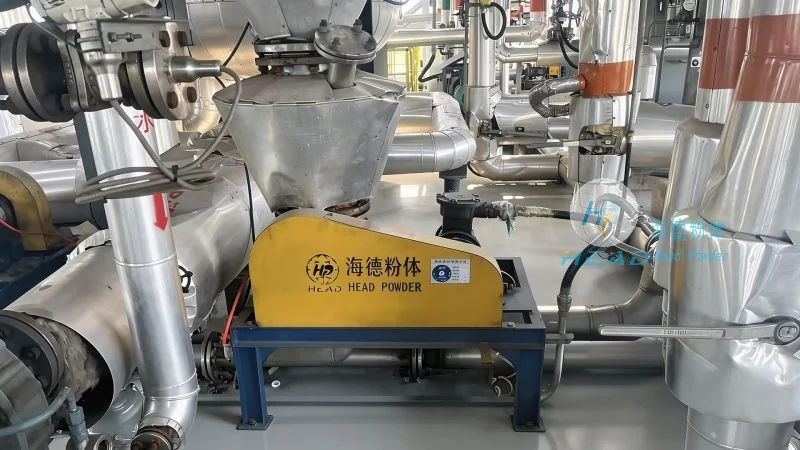
Key Components and Their Functions
A typical pneumatic conveying system for foundry sand consists of several key components, each playing a vital role in the overall operation. These components include the material hopper, which stores the sand and provides a consistent feed; the air compressor or vacuum pump, which generates the necessary pressure or vacuum; the conveying pipeline, which transports the sand from the hopper to the destination; the control valves, which regulate the flow of air and material; and the dust collection system, which captures and filters any airborne particles to ensure environmental compliance and operator safety.
Operation Process: From Hopper to Discharge
The operation process of a pneumatic conveying system for foundry sand begins with the loading of the material into the hopper. The hopper is equipped with a feeder, such as a rotary valve or a screw conveyor, which controls the rate at which sand is released into the system. As the feeder opens, the sand falls into the conveying pipeline, where it is mixed with the air from the compressor. The air pressure then propels the sand through the pipeline, overcoming friction and maintaining a consistent flow. The system continues to transport the sand until it reaches the discharge point, where it is collected in a storage bin or directly into the molding equipment. Throughout this process, the control valves adjust the air flow to maintain optimal pressure and prevent blockages or backflow.
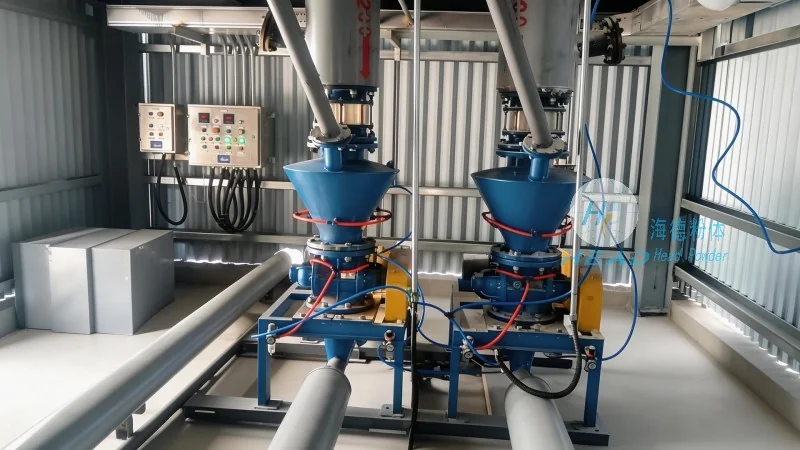
Advantages of Pneumatic Conveying Systems in Foundry Applications
Implementing a pneumatic conveying system for foundry sand offers numerous advantages over traditional methods, such as bucket elevators or belt conveyors. These systems provide a dust-free environment, reducing the risk of respiratory issues and improving workplace safety. Additionally, pneumatic conveying allows for the integration of multiple processing steps, such as mixing, drying, and storage, within a single system, enhancing operational efficiency. The flexibility of pneumatic systems also enables easy reconfiguration of the layout, accommodating changes in production needs without significant modifications. Furthermore, the use of compressed air as the conveying medium ensures minimal wear and tear on equipment, leading to lower maintenance costs and longer system lifespans.
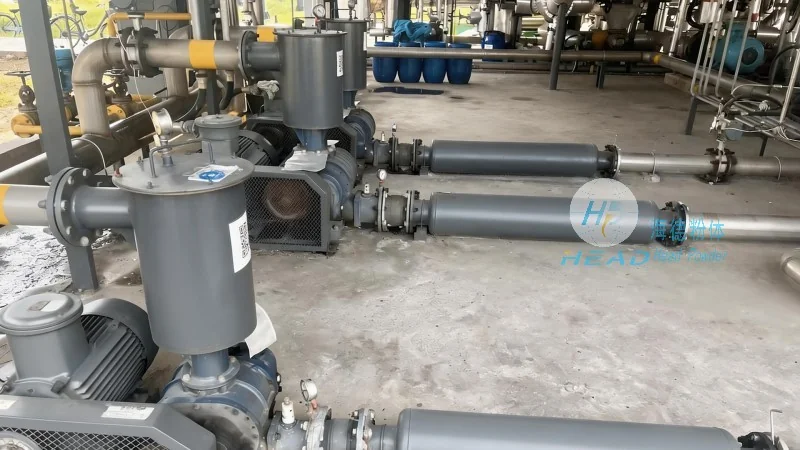
Customization and Scalability: Tailored Solutions for Foundry Needs
HeadPowder recognizes that each foundry has unique requirements, and therefore, offers customized pneumatic conveying systems designed to meet specific operational demands. The company works closely with clients to assess their production volumes, material characteristics, and facility layout, ensuring that the system is optimized for maximum efficiency. Whether for small-scale foundries or large industrial operations, HeadPowder's systems can be scaled to handle varying capacities, from low to high throughput. The company's engineering team utilizes advanced simulation tools to model the system's performance, allowing for precise design and minimal trial-and-error during implementation. This approach ensures that the final system not only meets but exceeds the client's expectations, providing a reliable and cost-effective solution for sand handling.
Conclusion: Enhancing Foundry Operations with Pneumatic Conveying
In conclusion, pneumatic conveying systems for foundry sand are a critical component in modern foundry operations, offering efficient, safe, and flexible solutions for material handling. HeadPowder, with its expertise and commitment to quality, provides state-of-the-art systems that enhance productivity, reduce costs, and improve overall operational performance. By understanding the working principle and operation process of these systems, foundries can make informed decisions about implementing or upgrading their sand handling infrastructure, ultimately contributing to their long-term success and sustainability.