

Operation Process and Working Principle of Resin Pneumatic Conveying Systems
Resin pneumatic conveying systems are advanced industrial equipment designed to transport resin powders or granules through an air stream. These systems are widely used in various industries, including chemical manufacturing, plastics processing, and pharmaceutical production, due to their efficiency, flexibility, and ability to handle materials with high precision. The operation process and working principle of such systems involve several key components and steps that ensure smooth and reliable material transfer.
System Overview and Core Components
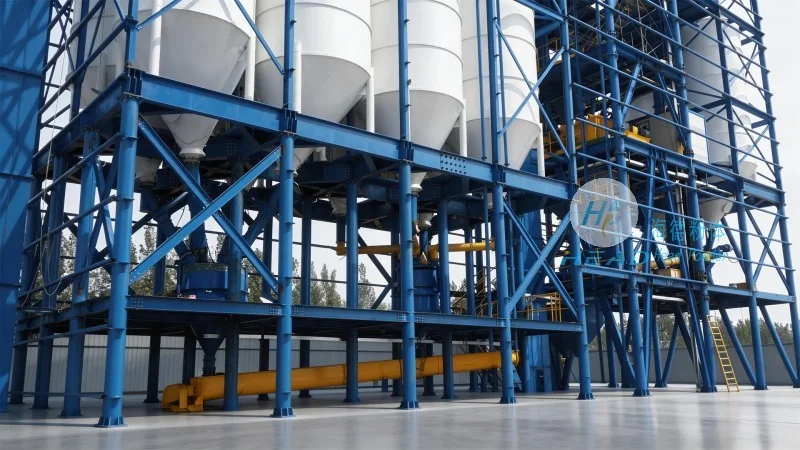
Before delving into the operation process, it is essential to understand the fundamental components of a resin pneumatic conveying system. Typically, these systems consist of a hopper for material storage, a conveyor line (including pipes and fittings), a blower or air compressor to generate the air flow, a control system for regulating pressure and flow, and a discharge point for the material. The design of the system is tailored to the specific characteristics of the resin, such as particle size, density, and moisture content, to ensure optimal performance.
Working Principle of Resin Pneumatic Conveying
The working principle of resin pneumatic conveying systems is based on the principle of fluidization and pneumatic transport. When air is introduced into the hopper or conveyor line at a sufficient velocity, it creates a fluidized bed of resin particles. This fluidization allows the particles to be suspended in the air stream and transported through the pipeline. The air flow is generated by a blower or compressor, which provides the necessary pressure and velocity to move the material. The system may operate in either positive pressure or negative pressure mode, depending on the application and material properties. Positive pressure systems use compressed air to push the material forward, while negative pressure systems use suction to draw the material from the source.
Step-by-Step Operation Process
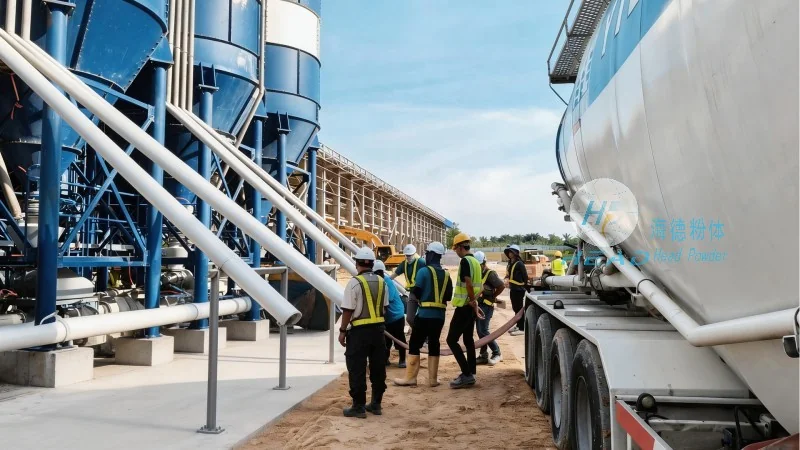
The operation process of a resin pneumatic conveying system involves several sequential steps that ensure the efficient transfer of resin from the source to the destination. The first step is the loading of the resin into the hopper. The hopper is designed to hold a sufficient quantity of material to maintain a continuous flow during operation. Once the hopper is filled, the control system activates the blower or compressor, which starts generating the air flow. The air flow then enters the conveyor line and lifts the resin particles from the hopper. As the particles are suspended in the air stream, they travel through the pipeline to the discharge point. The discharge point is typically a valve or a container that receives the material, and the system may include a filter or separator to remove any air or debris from the material before discharge.
Key Factors Influencing System Performance
Several factors influence the performance of resin pneumatic conveying systems, including the air velocity, pressure, and volume, as well as the particle size and density of the resin. The air velocity must be sufficient to fluidize the particles but not so high as to cause excessive wear on the pipes or fittings. The pressure and volume of the air flow are adjusted based on the distance and height of the material transport, as well as the material characteristics. Additionally, the system may include features such as pulse-jet cleaning to maintain the cleanliness of the pipes and prevent clogging, which is crucial for maintaining consistent performance over time.
Applications and Benefits in Industrial Settings
Resin pneumatic conveying systems are widely used in various industrial applications due to their ability to handle materials with high precision and efficiency. In the chemical industry, these systems are used to transport resin powders for polymerization processes, ensuring that the material is delivered to the reactors in a controlled manner. In the plastics processing industry, they are used to transport resin granules to extrusion or molding machines, where the material is processed into final products. The benefits of using resin pneumatic conveying systems include reduced labor costs, improved safety by eliminating manual handling of materials, and increased production efficiency by minimizing downtime and material loss.
Maintenance and Troubleshooting
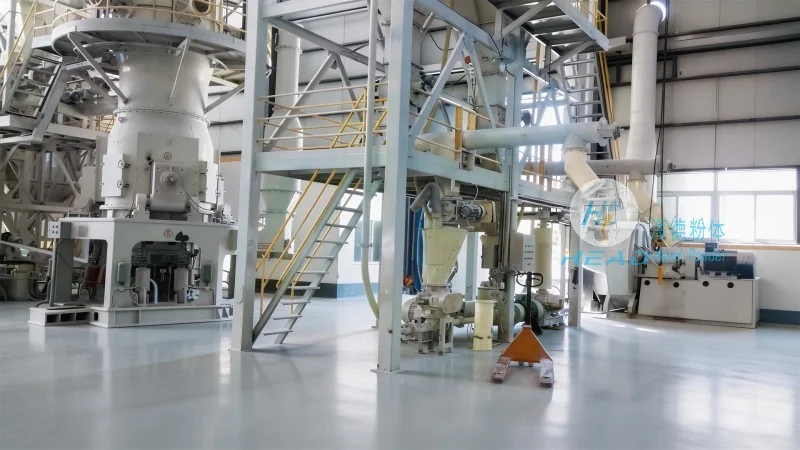
Regular maintenance is essential to ensure the reliable operation of resin pneumatic conveying systems. This includes cleaning the hopper and conveyor lines to prevent clogging, checking the air compressor or blower for proper operation, and inspecting the pipes and fittings for wear or damage. Common issues that may arise include clogging of the pipeline, which can be caused by moisture or debris in the resin, or insufficient air flow, which may be due to a faulty compressor or blocked air inlet. Troubleshooting these issues involves checking the system components, adjusting the air flow parameters, and ensuring that the resin is properly prepared before loading into the hopper.
Conclusion
Resin pneumatic conveying systems are sophisticated industrial equipment that play a critical role in the efficient and safe transfer of resin materials in various industries. By understanding the operation process and working principle of these systems, users can optimize their performance and ensure consistent material delivery. The systems are designed to handle a wide range of resin characteristics and can be customized to meet the specific needs of different applications. With proper maintenance and operation, resin pneumatic conveying systems can provide long-term reliability and contribute to increased productivity in industrial settings.