

Principle and Working Scene Characteristics of Plaster Powder Material Pneumatic Conveying Machine
HeadPowder, a leading manufacturer based in Shandong, China, specializes in providing advanced solutions for material handling, particularly in the field of pneumatic conveying systems designed for plaster powder. This article delves into the fundamental principles and operational characteristics of such machines, highlighting their efficiency and versatility in industrial applications.
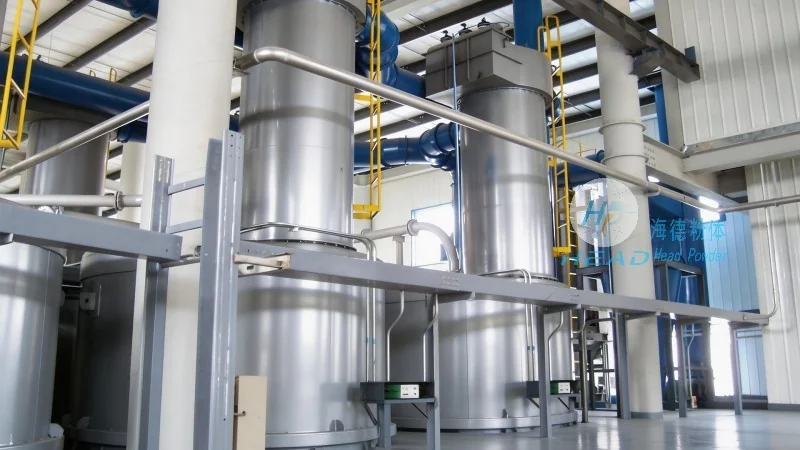
Company Overview
Shandong HeadPowder Engineering Co., Ltd. is a reputable enterprise dedicated to engineering and manufacturing high-quality material handling equipment. With a strong commitment to innovation and customer satisfaction, the company has established itself as a trusted partner in the industry. HeadPowder's headquarters is located in Shandong, China, where the company conducts research, development, and production to meet the diverse needs of its global clientele.
Understanding Pneumatic Conveying for Plaster Powder
The pneumatic conveying machine for plaster powder operates on the principle of transporting bulk materials through a pipeline using a pressurized or vacuum air stream. This method eliminates the need for mechanical components like belts or buckets, offering a more hygienic and efficient solution for handling fine powders. The system typically consists of a hopper, a conveyor line, and a control unit, all working in tandem to ensure smooth material transfer.
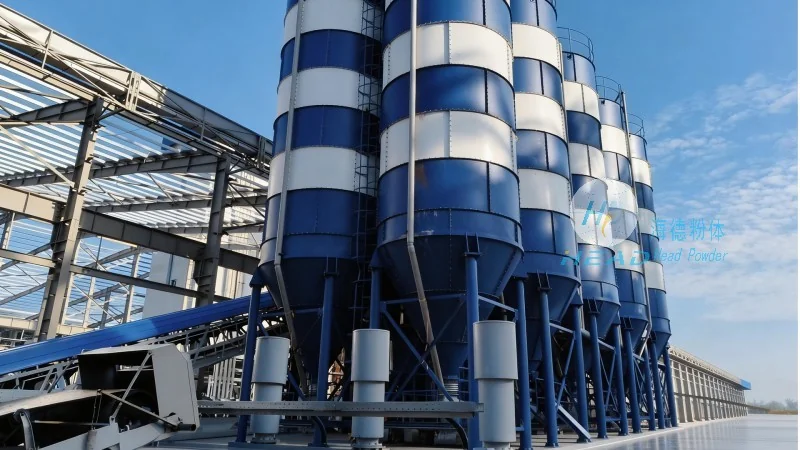
Key Working Principles
At the core of the system is the air flow mechanism, which can be categorized into two main types: positive pressure and negative pressure. Positive pressure systems use a blower to force air and material through the pipeline, while negative pressure systems create a vacuum to draw material from the source. For plaster powder, positive pressure is often preferred due to its ability to handle abrasive and fine particles without causing excessive wear on the equipment. The machine's design includes features such as a rotary valve at the inlet to control the flow rate and a filter at the outlet to prevent dust from escaping into the environment.
Advantages of Pneumatic Conveying in Plaster Powder Handling
Compared to traditional methods like bucket elevators or screw conveyors, pneumatic conveying offers several advantages. It provides a continuous, dust-free transfer of material, reducing the risk of contamination and improving workplace safety. The system is also compact and can be easily integrated into existing production lines, minimizing space requirements. Additionally, the lack of moving parts in the pipeline reduces maintenance costs and extends the lifespan of the equipment. For plaster powder, which is often used in construction and finishing applications, these benefits translate into higher productivity and lower operational costs.
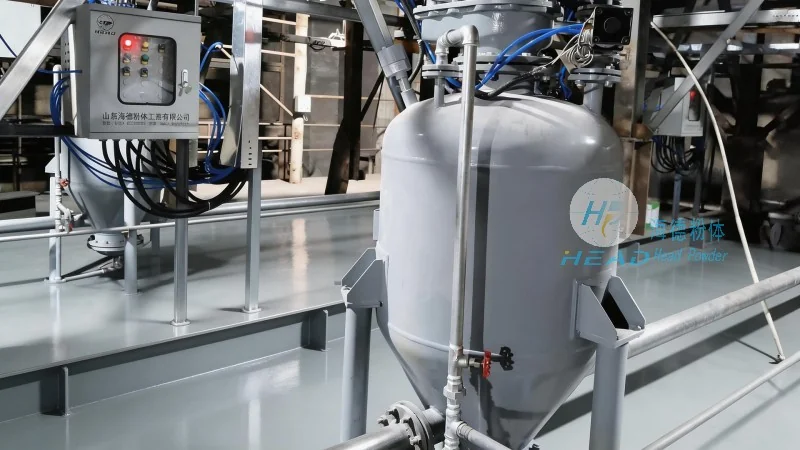
Common Working Scenarios
The applications of plaster powder pneumatic conveying machines are widespread across various industries. In the construction sector, these systems are used to transport plaster from storage silos to mixing stations or spray booths, ensuring a consistent and uniform material supply. In the manufacturing of building materials, the machines facilitate the transfer of raw plaster powder from production lines to packaging units, streamlining the entire process. Furthermore, in industrial finishing operations, such as wall coating or ceiling application, the pneumatic conveyor ensures that the plaster powder is delivered to the application point with minimal loss and maximum efficiency.
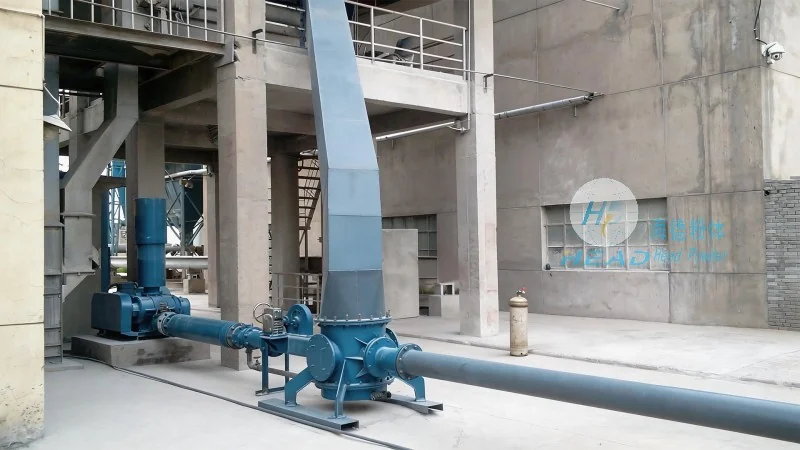
Customization and Integration
HeadPowder recognizes that each industrial environment has unique requirements. Therefore, the company offers customized solutions tailored to specific operational needs. This includes adjusting the conveyor line length, modifying the air pressure, and integrating additional components like dust collectors or material classifiers. The flexibility of the pneumatic conveying system allows it to adapt to different production scales, from small-scale workshops to large-scale manufacturing plants. By working closely with clients, HeadPowder ensures that the final solution is optimized for performance, reliability, and cost-effectiveness.
Conclusion
Plaster powder pneumatic conveying machines represent a sophisticated and efficient approach to material handling in the construction and manufacturing industries. By leveraging the principles of air flow and advanced engineering, these systems offer significant advantages over traditional methods, including improved safety, reduced maintenance, and enhanced productivity. As a leading provider in the field, Shandong HeadPowder Engineering Co., Ltd. continues to innovate and deliver high-quality solutions that meet the evolving needs of its customers. Whether for new installations or system upgrades, the company's expertise in pneumatic conveying ensures that clients receive reliable and durable equipment that contributes to their operational success.