

Principle and Working Scene Characteristics of Cotton Seed Material Pneumatic Conveying Machines
HeadPowder, a leading manufacturer based in Shandong, China, specializes in the design and production of pneumatic conveying systems tailored for handling cotton seed materials. This article delves into the fundamental principles behind these machines and highlights the key characteristics of their operational environments.
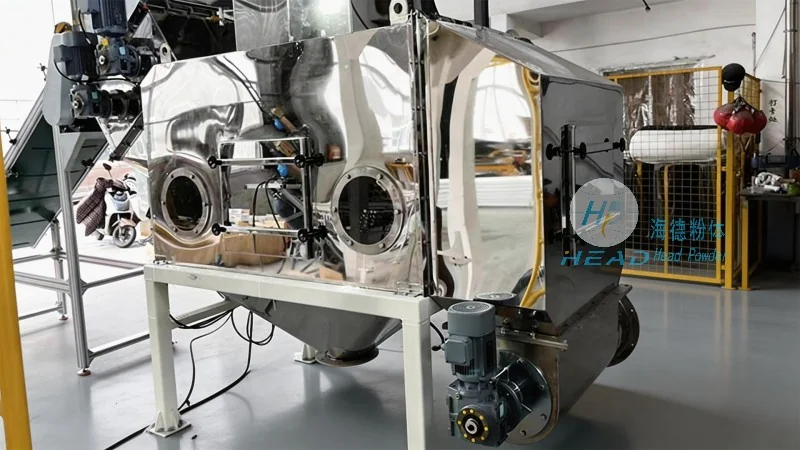
Understanding Pneumatic Conveying Systems for Cotton Seed Materials
Pneumatic conveying machines are essential equipment in industries dealing with bulk materials, including cotton seeds. These systems utilize air to transport materials from one location to another, offering a dust-free, efficient, and flexible solution compared to traditional methods like belt conveyors or bucket elevators. The core principle involves creating a pressure differential to move the material through a pipeline network.
The Working Principle of Cotton Seed Pneumatic Conveying Machines
At the heart of cotton seed pneumatic conveying is the use of air as the conveying medium. The system typically operates in two main modes: suction (or negative pressure) and pressure (or positive pressure). In suction mode, a vacuum is created at the material intake point, drawing the cotton seeds into the pipeline. This method is ideal for applications where the material needs to be transported from a lower or distant location to a processing unit. Conversely, pressure mode involves blowing air into the pipeline, pushing the material forward. This approach is suitable for short-distance or high-volume transport scenarios.
Key components of a cotton seed pneumatic conveying system include the material hopper, which stores the cotton seeds and provides a consistent feed; the conveyor line, which consists of a series of pipes and bends to guide the material; the air compressor or vacuum pump, which generates the necessary air pressure or vacuum; and the control system, which regulates the flow rate and pressure to ensure smooth operation. The design of these components is critical to the efficiency and reliability of the system. For instance, the material hopper must be equipped with a feeding mechanism to prevent blockages, while the conveyor line must be made of materials resistant to the abrasive nature of cotton seeds to minimize wear and tear.
Key Characteristics of Working Scenes for Cotton Seed Pneumatic Conveying
The operational environments for cotton seed pneumatic conveying systems exhibit distinct characteristics that influence their design and performance. These scenes are typically found in agricultural processing facilities, seed processing plants, and bulk material handling operations. The primary characteristics include:
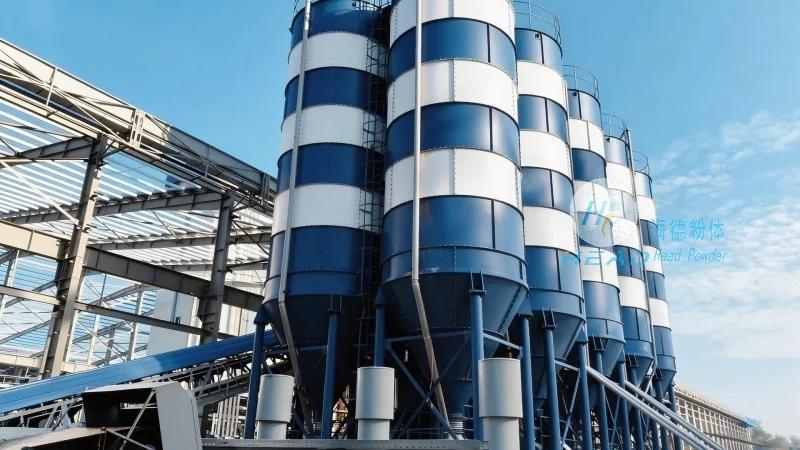
1. **Material Properties**: Cotton seeds are relatively light and have a tendency to create dust, which can affect the performance of the conveying system. The system must be designed to handle these properties effectively, such as by incorporating dust collection and filtration systems to maintain air quality and prevent material buildup in the pipes.
2. **Space Constraints**: In many industrial settings, the available space for installing the conveying system is limited. This requires the use of compact and flexible designs, such as vertical or horizontal pipeline configurations that can be easily integrated into existing layouts. The ability to navigate tight spaces and around obstacles is a key advantage of pneumatic conveying systems.
3. **Process Integration**: Cotton seed pneumatic conveying systems are often integrated with other processing equipment, such as cleaning, sorting, and packaging units. The design must ensure seamless coordination between these processes to maintain a continuous flow of material. For example, the conveying system may need to connect to a cleaning machine to remove impurities before the seeds are sent to the packaging line.
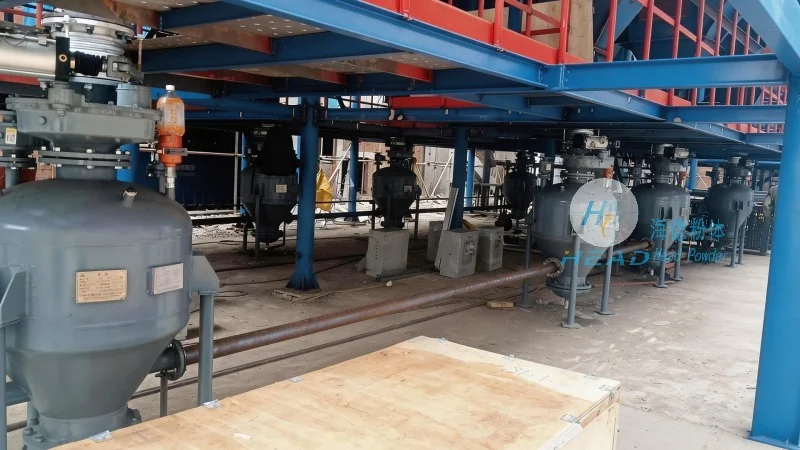
4. **Safety and Maintenance**: The working scenes require regular maintenance to ensure the longevity and safety of the equipment. This includes routine checks of the air compressor, pipeline integrity, and material feed mechanisms. The systems are designed with safety features, such as pressure relief valves and emergency shut-off switches, to prevent accidents and ensure compliance with industrial safety standards.
HeadPowder's Expertise in Cotton Seed Pneumatic Conveying Solutions
As a reputable manufacturer based in Shandong, China, HeadPowder Engineering Co., Ltd. has extensive experience in developing customized pneumatic conveying solutions for cotton seed applications. The company's engineers work closely with clients to understand their specific operational needs and design systems that meet their requirements. HeadPowder's products are known for their durability, efficiency, and adaptability, making them suitable for a wide range of cotton seed processing environments.
The company's commitment to quality is evident in its use of high-grade materials and rigorous testing procedures. Each pneumatic conveying system is manufactured to meet international standards and is backed by a comprehensive warranty and after-sales support. HeadPowder's team of experts provides technical assistance and maintenance services to ensure that the systems operate at optimal levels throughout their service life.
In conclusion, cotton seed pneumatic conveying machines are a vital component in modern cotton seed processing operations. Their ability to efficiently and safely transport materials makes them an indispensable part of the industry. With its expertise and commitment to quality, HeadPowder continues to provide reliable solutions that enhance the productivity and efficiency of cotton seed handling processes.