

Principle and Working Scene Characteristics of Light Calcium Material Pneumatic Conveying Machine
Light calcium material, also known as calcium carbonate, is a widely used industrial raw material in various sectors such as construction, papermaking, and chemical production. The efficient and reliable transportation of this material is crucial for maintaining production efficiency and reducing operational costs. Pneumatic conveying systems have emerged as a preferred solution for handling light calcium materials due to their ability to transport powders in a closed system, minimizing dust emissions and ensuring product purity. This article delves into the working principle of light calcium material pneumatic conveying machines and explores the key characteristics of their application scenarios.
Working Principle of Pneumatic Conveying Systems
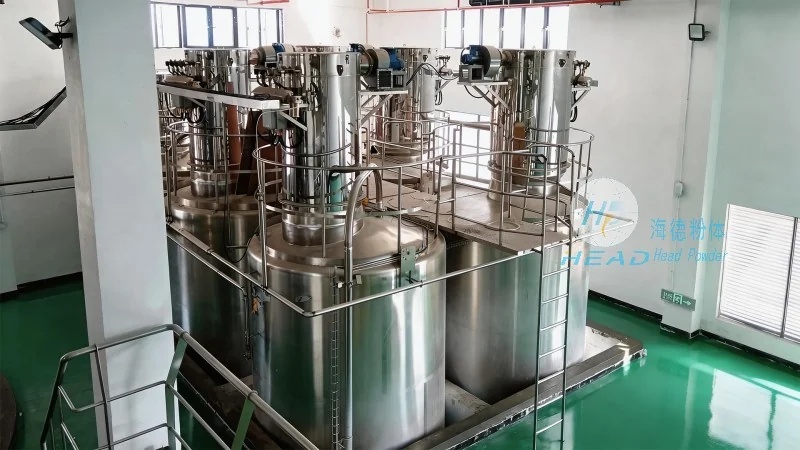
The core of a pneumatic conveying machine is the air flow that propels the light calcium material through a pipeline. The system typically consists of a blower or compressor, a hopper for material storage, a conveying line, and a receiver for the discharged material. The operation begins when the material is fed into the hopper, and the air is introduced into the system. As the air flows through the conveying line, it creates a pressure differential that lifts and moves the light calcium particles. The velocity of the air is critical; it must be sufficient to overcome the gravitational force and frictional resistance of the material particles. Different types of pneumatic conveying, such as pressure and vacuum systems, are used depending on the distance and layout of the conveying line. Pressure systems use positive pressure to push the material, while vacuum systems use negative pressure to pull it. For light calcium materials, which are fine powders, the design of the conveying line and the air velocity are carefully optimized to prevent particle segregation and ensure uniform flow.
Key Working Scene Characteristics
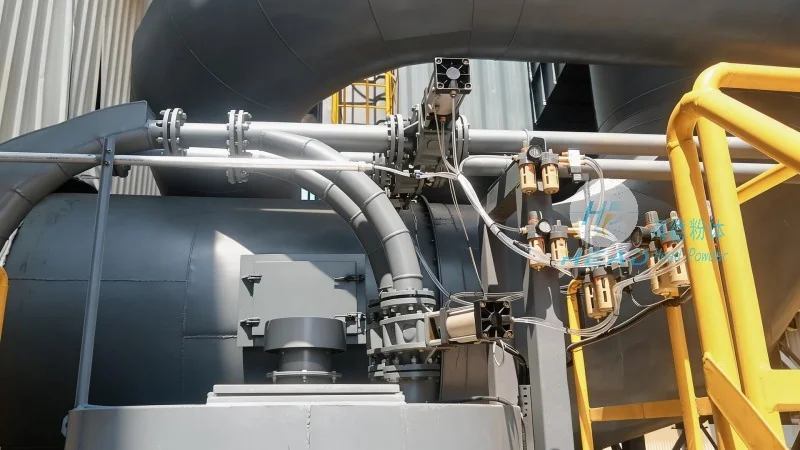
The application scenarios of light calcium material pneumatic conveying machines vary based on several factors, including the production scale, the distance of material transport, and the environmental requirements. In large-scale industrial settings, such as chemical plants or paper mills, these machines are often integrated into automated production lines to handle high volumes of light calcium material. The closed-loop design of the system is particularly advantageous in these environments, as it eliminates the need for manual handling and reduces the risk of dust contamination. For example, in a paper manufacturing plant, light calcium is used as a filler to improve the paper's brightness and strength. The pneumatic conveying system can transport the material directly from the storage silo to the paper machine without any intermediate handling, ensuring a consistent supply and maintaining product quality.
Advantages in Specific Working Environments
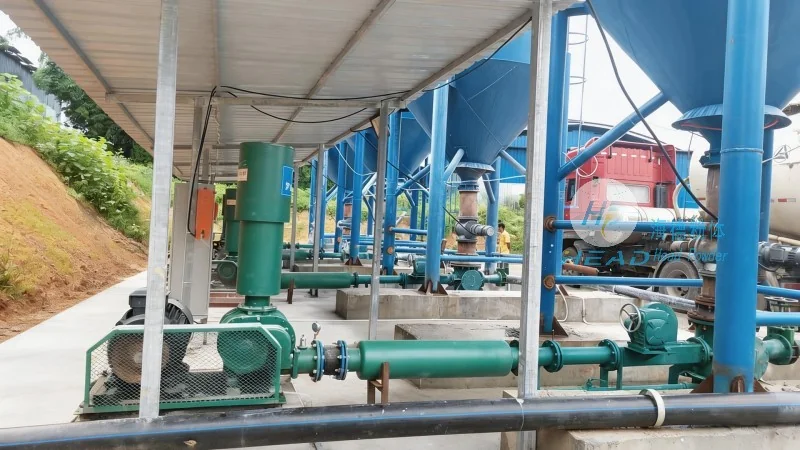
Light calcium material pneumatic conveying machines are well-suited for environments where dust control is a priority. Unlike traditional bucket elevators or belt conveyors, pneumatic systems operate in a sealed environment, containing dust and preventing it from spreading into the workplace. This is especially important in industries where occupational health and safety regulations are stringent. Additionally, the system's ability to handle fine powders without causing blockages or clogging makes it ideal for light calcium materials, which are prone to agglomeration. The flexibility of the conveying line design allows for easy integration into existing production layouts, reducing the need for extensive infrastructure modifications. In smaller-scale applications, such as in research laboratories or small-scale manufacturing units, the compact design of these machines makes them a practical choice, as they can be installed in limited spaces without compromising performance.
Operational Considerations and Maintenance
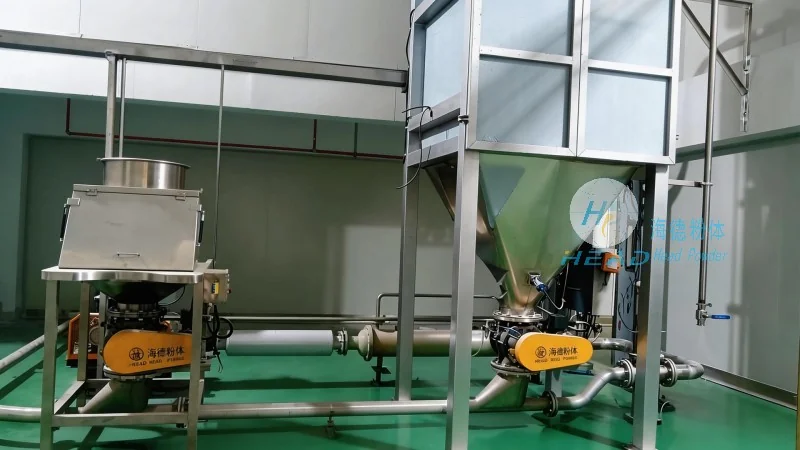
While pneumatic conveying systems offer numerous benefits, proper operation and maintenance are essential to ensure their longevity and efficiency. Regular inspection of the air compressor and blower is crucial to maintain optimal air pressure and flow rates. The conveying line should be checked for any signs of wear or damage, as even small cracks can lead to air leaks and reduced conveying efficiency. For light calcium materials, which are abrasive, the internal components of the system, such as the hopper and pipeline, may require more frequent maintenance to prevent wear and tear. The use of appropriate filters and separators in the system helps to remove any fine particles from the air, ensuring that the material is delivered in a clean state. Proper training of operators on the system's operation and safety protocols is also vital to prevent accidents and ensure smooth operation.