

Principle and Working Scene Characteristics of Pneumatic Conveying Equipment for Graphite Powder Mat
Graphite powder, a widely used material in various industrial applications, requires efficient and reliable handling methods to ensure smooth production processes. Pneumatic conveying equipment has emerged as a crucial solution for transporting graphite powder from one location to another within industrial facilities. This article explores the underlying principles of such equipment and highlights the specific characteristics of its working scenes, providing insights into how these systems enhance operational efficiency and material management in industrial settings.
Understanding Pneumatic Conveying: The Core Principles
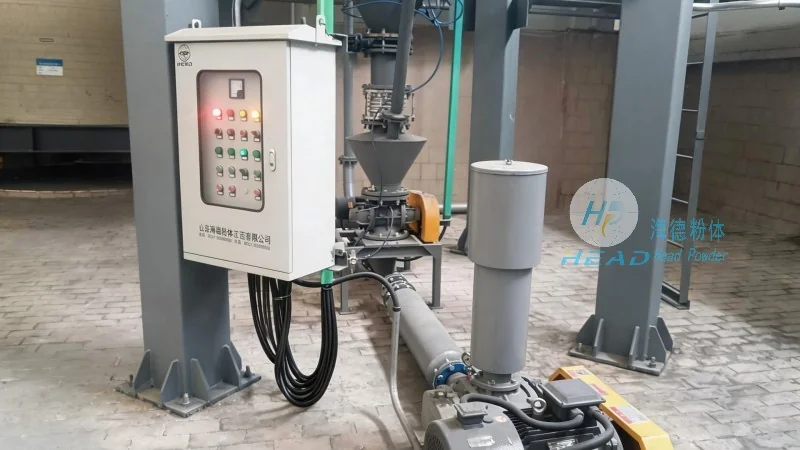
Pneumatic conveying systems utilize air or other gases to transport bulk materials like graphite powder through a pipeline network. The fundamental principle involves creating a pressure differential or using vacuum to move the material. There are two primary types of pneumatic conveying: pressure and vacuum systems. Pressure systems operate by blowing air or gas into the pipeline, pushing the material forward, while vacuum systems create a negative pressure to draw the material into the system. For graphite powder, which is often fine and can be prone to dust issues, the choice of system depends on factors such as material flow rate, distance, and the need for dust control. The equipment typically includes a hopper for material storage, a feeder to control the flow rate, a conveying line, and a receiver for the material at the destination. The design of these components is critical to ensure efficient and safe operation, especially when handling fine powders that can cause clogging or air leakage.
Key Working Scene Characteristics for Graphite Powder Pneumatic Conveying
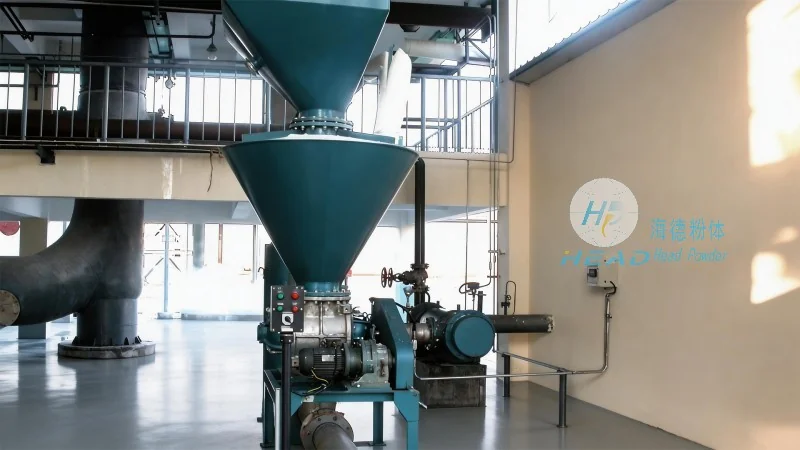
The working scenes where pneumatic conveying equipment is applied for graphite powder vary based on the industry and production scale. In the battery manufacturing sector, for instance, large quantities of graphite powder are needed for anode production, and the conveying systems must handle high flow rates and maintain consistent material quality. The equipment in such scenarios often operates in continuous mode, with real-time monitoring of flow rates and pressure to prevent material buildup or system failures. Another common application is in the production of graphite electrodes, where the powder is transported to mixing and compaction units. The working environment in these cases may involve high temperatures and dust, requiring the conveying system to be robust and equipped with dust suppression measures. Additionally, in research and development laboratories, smaller-scale pneumatic conveying systems are used for handling experimental quantities of graphite powder, emphasizing precision and minimal material loss. The characteristics of these working scenes include varying material properties, such as moisture content or particle size distribution, which affect the system's performance and require adjustments in operation or equipment design.
Operational Advantages and Considerations for Graphite Powder Handling
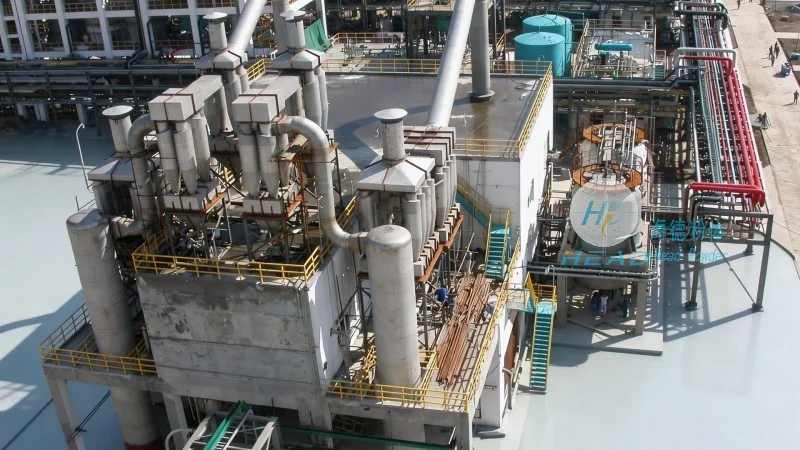
Implementing pneumatic conveying equipment for graphite powder offers several operational advantages. Firstly, it eliminates the need for manual handling, reducing labor costs and minimizing the risk of workplace accidents. The enclosed system also prevents dust dispersion, improving workplace safety and environmental compliance. Additionally, pneumatic conveying can handle materials over long distances without the need for intermediate storage or transfer points, streamlining the production process. However, there are considerations to keep in mind when using such systems. Fine powders like graphite can cause clogging in pipelines, especially if the system is not properly maintained or if the material flow rate is too high. Regular cleaning and maintenance of the conveying lines are essential to prevent blockages. Moreover, the energy consumption of pneumatic conveying systems can be significant, especially for long-distance or high-volume applications. Optimizing the system design, such as using appropriate air velocities and pipeline diameters, can help reduce energy costs. Another factor is the potential for material degradation due to friction or exposure to air, which may affect the quality of the graphite powder. Proper sealing and low-pressure operation can mitigate these issues, ensuring the material remains in its desired state throughout the conveying process.
Customization and Integration with Industrial Processes
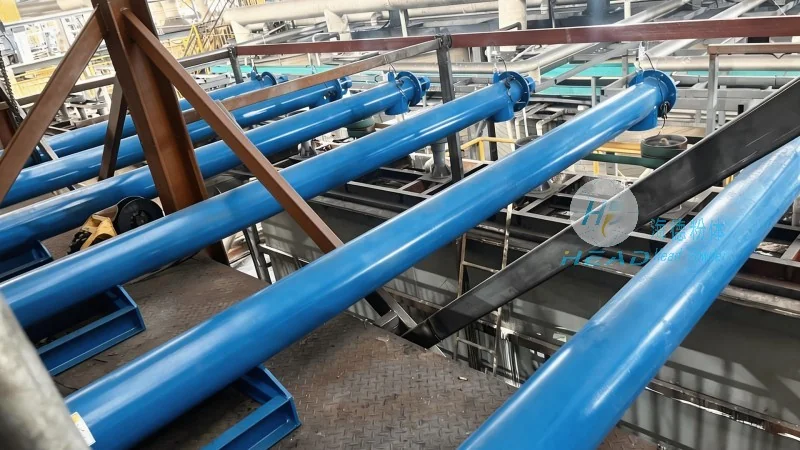
Shandong HeadPowder Engineering Co., Ltd., a leading manufacturer of pneumatic conveying equipment, offers customized solutions tailored to the specific needs of graphite powder handling. The company's expertise lies in designing systems that meet the unique requirements of different industries, from battery manufacturing to electrode production. Their equipment is engineered to handle various particle sizes and flow rates, ensuring efficient and reliable material transport. The company provides comprehensive support, including system design, installation, and maintenance services, to ensure that clients can maximize the benefits of pneumatic conveying technology. By integrating their equipment into existing industrial processes, companies can enhance productivity, reduce downtime, and improve overall operational efficiency. The working scenes where their systems are applied often involve complex production lines, requiring seamless integration with other machinery and control systems. This integration ensures that the conveying process is synchronized with other stages of production, such as mixing, compaction, or packaging, optimizing the entire workflow.