

Principle and Working Scene Characteristics of Automatic Material Loading Waste Pneumatic Conveying
HeadPowder, a leading engineering company based in Shandong, China, specializes in the design and implementation of advanced waste management solutions. One of their key offerings is the automatic material loading waste pneumatic conveying system, which efficiently handles the transport of waste materials from collection points to processing facilities. This system integrates automated feeding mechanisms with pneumatic conveying technology to ensure seamless and reliable material transfer, addressing the challenges of waste handling in modern urban and industrial settings.
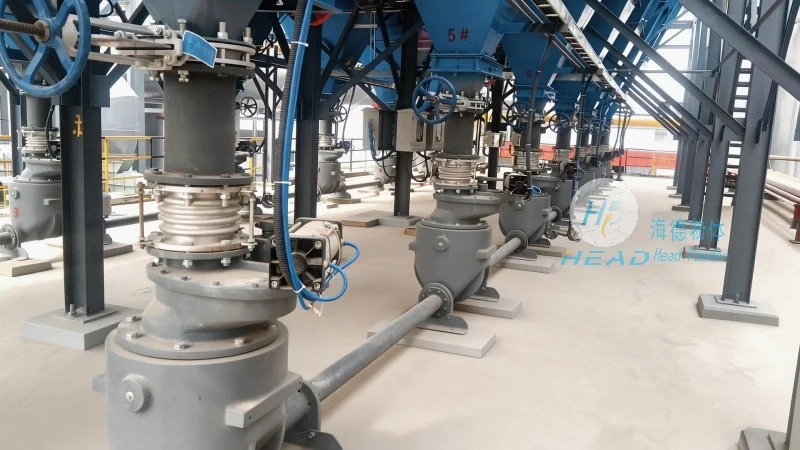
Overview of the Automatic Material Loading Waste Pneumatic Conveying System
The automatic material loading waste pneumatic conveying system is engineered to streamline the process of transporting waste materials, such as municipal solid waste, industrial byproducts, or recyclable materials, from source to destination. HeadPowder's system combines precision automation with robust pneumatic technology to achieve high efficiency, minimal downtime, and reduced operational costs. The system is designed to adapt to various waste types and processing requirements, making it a versatile solution for waste management facilities.
Core Principle of Pneumatic Conveying in Waste Handling
Pneumatic conveying utilizes air pressure to move materials through a network of pipes. In the context of waste handling, this technology is applied to transport bulk materials over short to medium distances. The system typically consists of a hopper for material storage, an air compressor to generate the necessary pressure, and a conveying line that transports the material to the processing unit. The automatic loading mechanism ensures that waste is continuously fed into the system, maintaining a steady flow without manual intervention. This principle minimizes human exposure to waste and enhances safety in the operation.
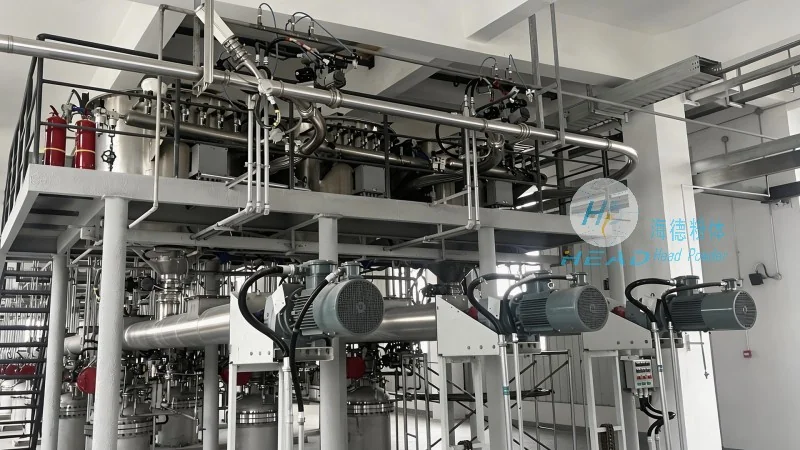
Working Scene Characteristics and Application Scenarios
The working scene characteristics of the automatic material loading waste pneumatic conveying system are tailored to optimize performance in diverse environments. Key features include: 1. **Automated Material Feeding**: The system uses sensors and control systems to detect material levels and adjust feeding rates automatically, ensuring consistent operation. 2. **Flexible Conveying Paths**: The modular pipe network allows for flexible routing, accommodating changes in facility layout or waste processing needs. 3. **Efficient Waste Segregation**: Some systems incorporate sorting mechanisms to separate recyclables from non-recyclables during the conveying process, enhancing resource recovery. 4. **Low Maintenance Requirements**: Advanced components and durable materials reduce the need for frequent maintenance, minimizing operational disruptions.
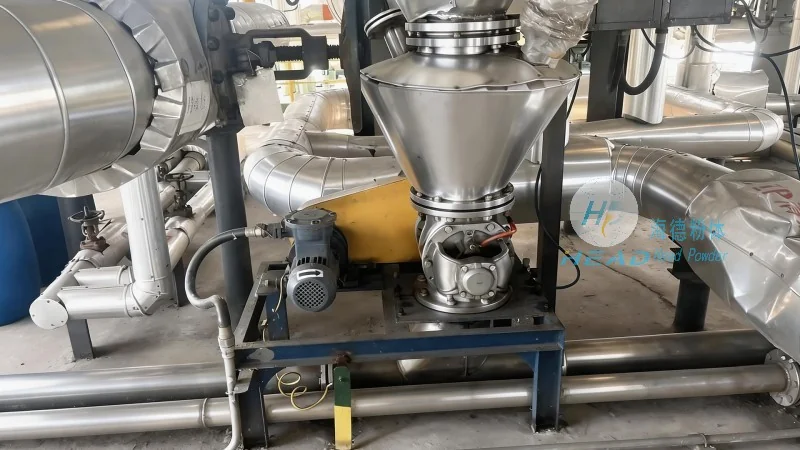
Real-World Application Examples
HeadPowder's automatic material loading waste pneumatic conveying system has been successfully implemented in various waste management facilities across China. For instance, in a municipal waste treatment plant, the system efficiently transports mixed waste from collection trucks to the sorting and processing area, reducing labor costs by 30% and improving overall throughput. In an industrial setting, the system handles hazardous waste materials, ensuring safe and compliant transport to disposal or recycling facilities. These applications demonstrate the system's adaptability and effectiveness in both urban and industrial waste management scenarios.
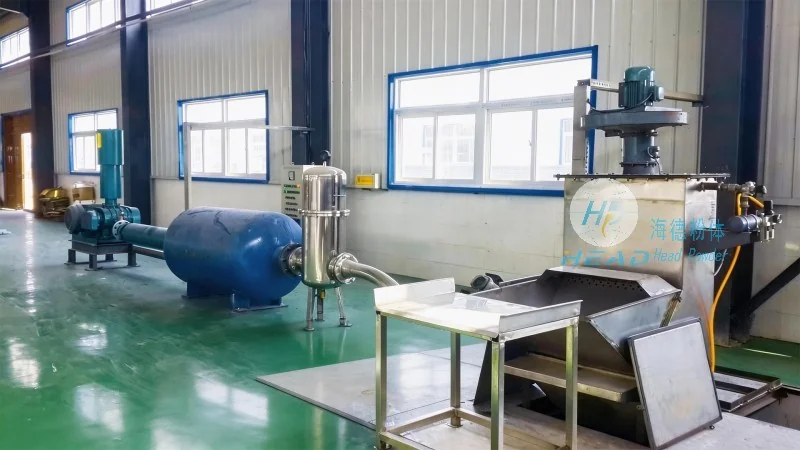
Advantages and Benefits for Waste Management
The automatic material loading waste pneumatic conveying system offers several advantages that make it a preferred choice for modern waste management operations. These benefits include: - **Increased Efficiency**: Automated feeding and continuous operation reduce processing time and improve overall productivity. - **Enhanced Safety**: Minimizes human interaction with waste, lowering the risk of exposure to contaminants or hazardous materials. - **Cost Savings**: Lower labor costs, reduced maintenance, and optimized energy usage contribute to long-term cost savings. - **Environmental Sustainability**: Efficient transport reduces emissions from alternative transport methods, such as trucks, and supports sustainable waste management practices.
Conclusion and Future Outlook
HeadPowder's automatic material loading waste pneumatic conveying system represents a significant advancement in waste management technology. By combining automation with pneumatic conveying, the system addresses the challenges of efficient, safe, and cost-effective waste transport. As urbanization and industrial growth continue to drive the need for improved waste management solutions, such systems will play an increasingly vital role in maintaining environmental sustainability and operational efficiency. HeadPowder remains committed to providing innovative solutions that meet the evolving needs of the waste management industry, ensuring a cleaner and more sustainable future.