

Principles and Operational Characteristics of Corn Stalk Material Pneumatic Conveying
Pneumatic conveying is a widely used technology for transporting bulk materials through a pipeline using air or gas as the conveying medium. When applied to corn stalks, this technology offers an efficient and effective solution for handling agricultural residues. Corn stalks, as a byproduct of corn harvesting, present unique challenges in terms of material properties, such as high moisture content, irregular shapes, and varying particle sizes. The principles of pneumatic conveying are designed to address these challenges by utilizing air flow to move the material from the source to the destination.
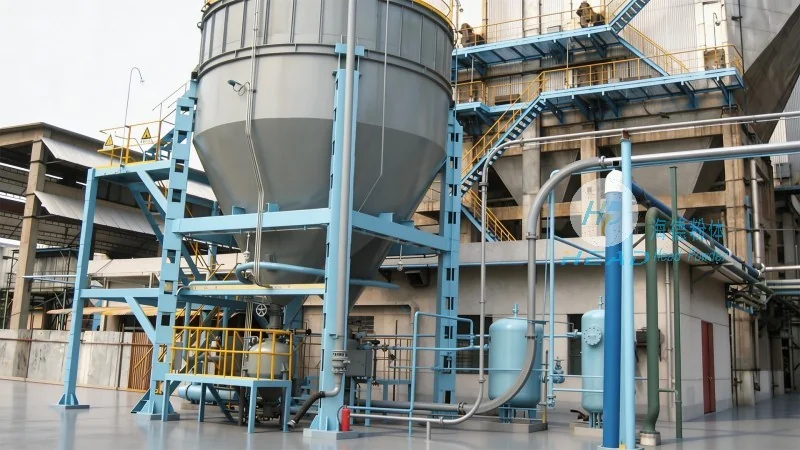
Principles of Pneumatic Conveying for Corn Stalks
The core principle of corn stalk material pneumatic conveying involves creating a pressure differential within a closed pipeline system. This is typically achieved through a combination of positive pressure (pressure conveying) or negative pressure (suction conveying) systems. In pressure conveying, a blower or fan generates high-pressure air that propels the corn stalks forward. The air velocity must be sufficient to overcome the frictional forces between the material particles and the pipeline walls, as well as the gravitational forces acting on the material. For corn stalks, which are often fibrous and have a tendency to cling together, the air velocity is carefully controlled to ensure stable and continuous flow. The conveying line is usually equipped with components like inlets, bends, and outlets that are specifically designed to handle the characteristics of corn stalks, minimizing blockages and ensuring smooth operation.
Key Components and Their Roles
Several critical components are integral to the successful operation of a corn stalk material pneumatic conveying system. The primary components include the material feed hopper, which holds the corn stalks and feeds them into the conveying line; the air supply unit (blower or fan), which generates the necessary air pressure; the conveying pipeline, which transports the material and air mixture; and the discharge device, which releases the corn stalks at the destination. Additionally, accessories such as cyclones, filters, and rotary valves are often included to separate the material from the air and control the flow. For corn stalks, the feed hopper may be equipped with a pre-processing mechanism, such as a grinder or shredder, to break down larger stalks into smaller, more manageable pieces, improving the conveying efficiency. The blower or fan must be selected based on the specific characteristics of the corn stalks, including their moisture content and bulk density, to ensure optimal performance and energy efficiency.
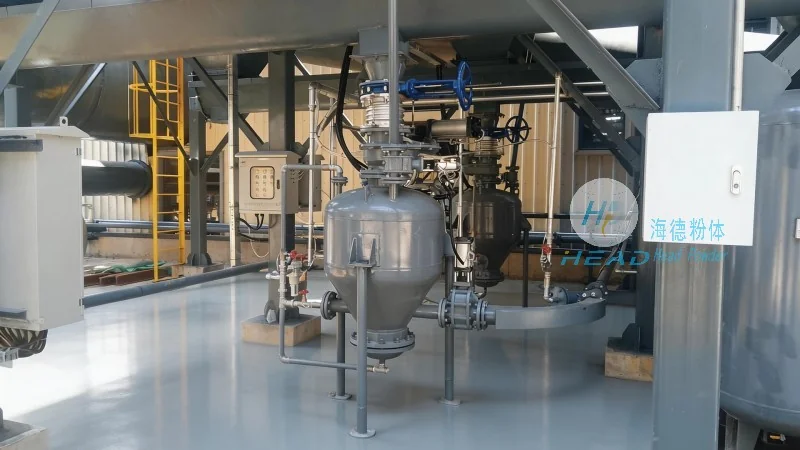
Operational Characteristics and Performance Factors
The performance of a corn stalk material pneumatic conveying system is influenced by several factors, including the air velocity, pressure, and volume, as well as the properties of the corn stalks themselves. Air velocity is a critical parameter, as it must be high enough to maintain the material in suspension but not so high as to cause excessive wear on the pipeline or equipment. The pressure differential between the inlet and outlet of the system determines the conveying distance and capacity. For corn stalks, which are relatively light and have a high bulk density, the system can achieve significant conveying distances with relatively low air velocities. However, the presence of moisture can affect the material's flowability, potentially leading to increased pressure drops and reduced conveying efficiency. Therefore, it is essential to monitor and control the moisture content of the corn stalks to maintain consistent performance. The system's capacity is also affected by the size and shape of the corn stalks, as larger or irregularly shaped pieces may require higher air velocities to maintain stable flow.
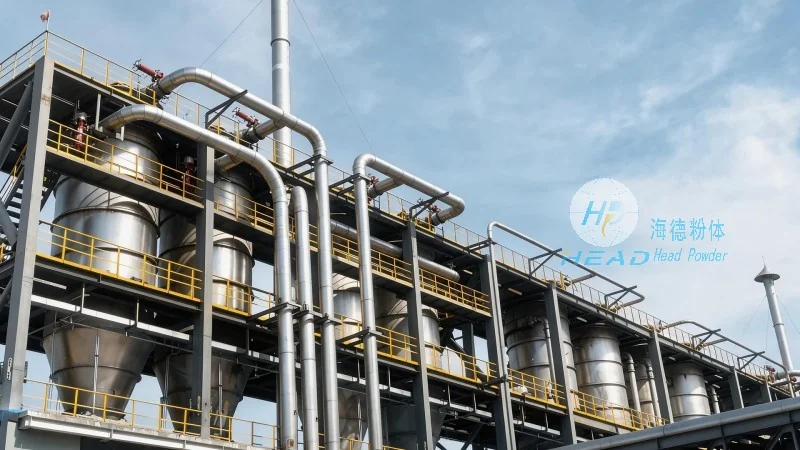
Work Scene Characteristics and Applications
Corn stalk material pneumatic conveying is commonly used in various agricultural and industrial settings. One primary application is in the processing of corn stalks for biofuel production, where the material is transported from the field to a processing facility for further treatment. Another application is in the manufacturing of animal feed, where the corn stalks are conveyed to a grinding or mixing unit to be incorporated into feed formulations. The technology is also used in the production of paper and pulp, where the corn stalks are transported to a pulping or refining unit. In addition, corn stalks are sometimes used as a raw material for composting or as a fuel source for biomass power plants, and pneumatic conveying is an effective method for transporting the material to these facilities. The work scene characteristics of corn stalk material pneumatic conveying systems vary depending on the specific application. For example, in biofuel production, the system may need to handle large volumes of material over long distances, requiring high-capacity equipment. In contrast, in animal feed processing, the system may need to handle smaller volumes of material with more frequent stops and starts, requiring equipment that can handle varying flow rates. The operational environment, such as the presence of dust or moisture, also influences the design of the system, with features like dust collection and moisture control being incorporated to ensure safe and efficient operation.
About HeadPowder: Shandong HeadPowder Engineering Co., Ltd.
HeadPowder, or Shandong HeadPowder Engineering Co., Ltd., is a leading provider of pneumatic conveying solutions tailored for agricultural and industrial applications. With a focus on innovation and customer satisfaction, the company specializes in designing and manufacturing systems that address the unique challenges of handling materials like corn stalks. HeadPowder's expertise lies in understanding the material properties of agricultural residues and developing customized solutions that optimize conveying efficiency, reduce energy consumption, and ensure reliable operation. The company's facilities are located in Shandong, China, where it leverages advanced technology and experienced engineering teams to deliver high-quality products and services. HeadPowder's commitment to quality and customer support has made it a trusted partner for businesses in the agricultural and industrial sectors, helping them to improve their material handling processes and achieve greater operational efficiency.