

Principles and Application Scenarios of Pneumatic Conveying for Synthetic Fiber Materials
HeadPowder, a leading engineering firm based in Shandong, China, specializes in the design and implementation of advanced material handling systems. This article explores the fundamental principles of pneumatic conveying for synthetic fiber materials and highlights key application scenarios where this technology excels.
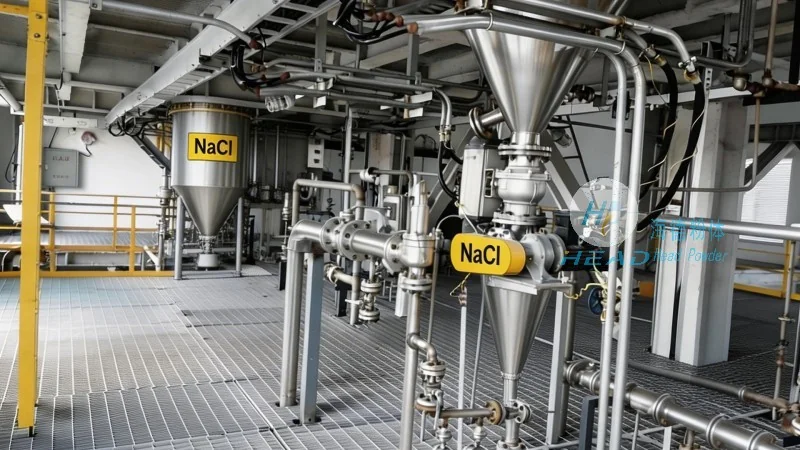
Introduction to Pneumatic Conveying Systems
Pneumatic conveying is a method of transporting bulk materials through a pipeline using a stream of pressurized or vacuum air. For synthetic fiber materials, which often include polymers like polyester, nylon, and acrylic, this technology offers a clean, efficient, and flexible solution compared to traditional mechanical conveying methods. The process involves feeding the material into a hopper, where it is then drawn or pushed through the pipeline by air pressure or suction. This approach minimizes material degradation, reduces contamination risks, and enables precise control over material flow rates.
Core Principles of Synthetic Fiber Pneumatic Conveying
The effectiveness of pneumatic conveying for synthetic fibers relies on several key principles. First, the material's particle size and density are critical factors. Synthetic fibers are typically fine and lightweight, which can lead to issues like particle segregation or blockages if not handled properly. To address this, HeadPowder engineers design systems with appropriate air velocities and pipeline diameters to maintain stable flow. Second, the choice between positive pressure and negative pressure systems depends on the application. Positive pressure systems use compressed air to push material through the line, while negative pressure systems use vacuum to pull material. For synthetic fibers, positive pressure is often preferred as it provides better control and reduces the risk of dust emissions. Third, the system's design must account for the material's hygroscopic properties. Synthetic fibers can absorb moisture, which may affect their flow characteristics and the overall conveying efficiency. HeadPowder incorporates moisture control measures, such as drying systems or moisture sensors, to ensure consistent performance.
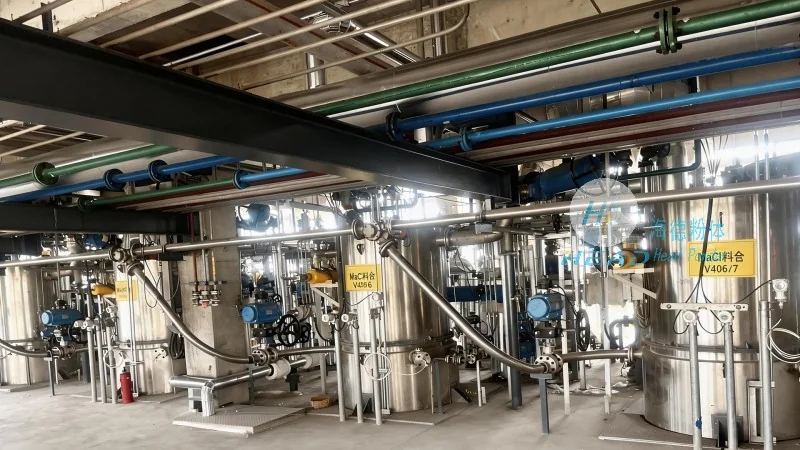
Key Application Scenarios in Industrial Settings
Pneumatic conveying for synthetic fibers is widely used in various industrial sectors, including textile manufacturing, chemical processing, and packaging. One prominent application is in the textile industry, where synthetic fibers are used to produce yarns and fabrics. The conveying system transports raw fibers from storage silos to processing machines, ensuring a continuous and clean supply. In chemical processing plants, synthetic fibers are often used as raw materials for producing fibers or as additives in composite materials. The pneumatic system efficiently moves these materials between production stages, reducing manual handling and improving safety. Another application is in the packaging industry, where synthetic fibers are used to create non-woven fabrics or insulation materials. The conveying system delivers these materials to packaging lines, enabling high-speed and automated production. Additionally, in research and development facilities, small-scale pneumatic conveying systems are used to handle experimental synthetic fibers, allowing for precise material testing and analysis.
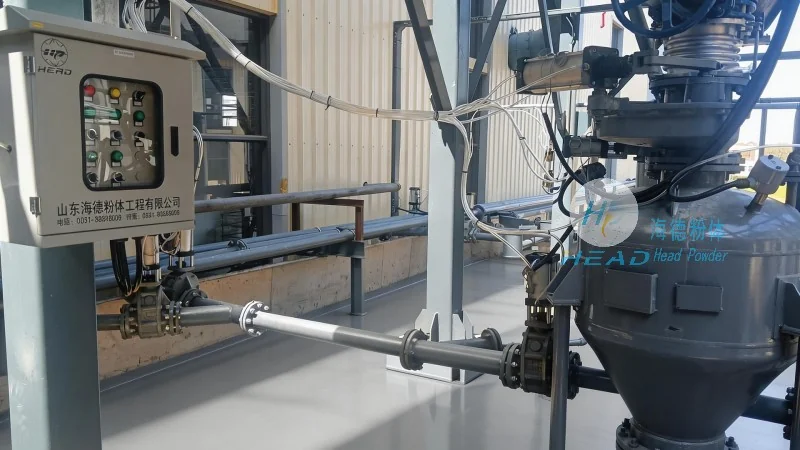
Advantages of Pneumatic Conveying for Synthetic Fiber Materials
Compared to traditional mechanical conveying, pneumatic conveying offers several advantages for synthetic fiber materials. First, it provides a closed system, which prevents dust contamination and protects the material from environmental factors. This is particularly important for synthetic fibers, which are often used in food or medical applications where purity is essential. Second, the system is highly flexible, allowing for changes in material flow rates and direction without significant modifications. This adaptability makes it suitable for dynamic production environments. Third, pneumatic conveying reduces labor costs and improves workplace safety by minimizing manual handling of bulk materials. Finally, the technology can handle a wide range of synthetic fiber types, from fine powders to short fibers, making it a versatile solution for various industrial needs.
Customization and Integration by HeadPowder
HeadPowder Engineering Co., Ltd., with its headquarters in Shandong, China, offers tailored pneumatic conveying solutions for synthetic fiber applications. The company's engineering team works closely with clients to understand their specific material handling challenges and design systems that meet their operational requirements. Customization options include adjustable air velocity controls, material separation devices, and integration with existing production lines. HeadPowder also provides comprehensive after-sales support, including maintenance services and technical assistance, to ensure the long-term reliability of the conveying systems. By leveraging advanced engineering and industry expertise, HeadPowder helps clients optimize their synthetic fiber material handling processes, enhancing productivity and reducing operational costs.