

Principle and Working Scene Characteristics of Biomass Pellet Material Conveying Lines
Understanding the core principles and operational scenarios of biomass pellet material conveying lines is crucial for optimizing industrial processes in the biomass energy sector. These systems are designed to efficiently transport biomass pellets, a key component in renewable energy production, from storage to processing units. The technology behind these conveying lines integrates mechanical engineering principles and material handling expertise to ensure reliable and consistent operation.
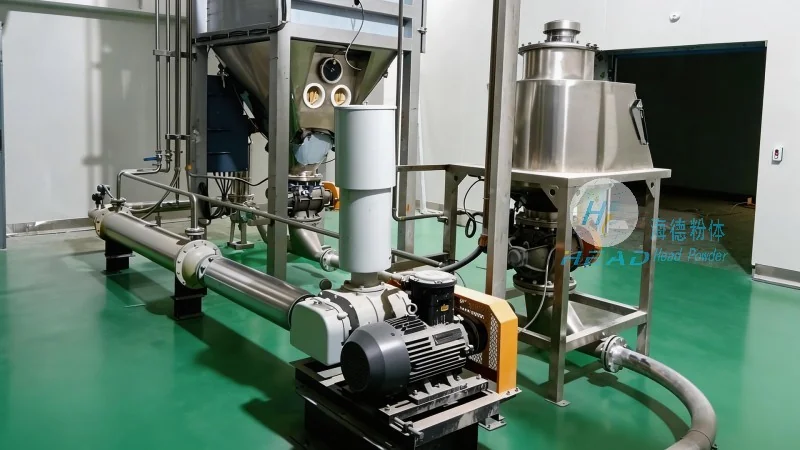
HeadPowder, a leading provider in the field, specializes in the design, manufacturing, and integration of advanced biomass pellet conveying solutions. With a strong presence in Shandong, China, the company leverages local industrial expertise and global technological standards to deliver high-performance equipment tailored to diverse industrial applications. The company’s commitment to quality and innovation positions it as a trusted partner for businesses seeking efficient material handling solutions in biomass processing.
Core Principles of Biomass Pellet Conveying Systems
The fundamental principle of biomass pellet conveying lines revolves around the use of mechanical components to move pellets through a defined path. Key elements include feed mechanisms, conveyor belts or chains, and control systems that regulate the flow rate and direction of the material. The design of these systems prioritizes durability, as biomass pellets can be abrasive and require robust components to withstand continuous operation. Additionally, energy efficiency is a critical consideration, with many modern systems incorporating variable speed drives and energy recovery mechanisms to minimize operational costs.
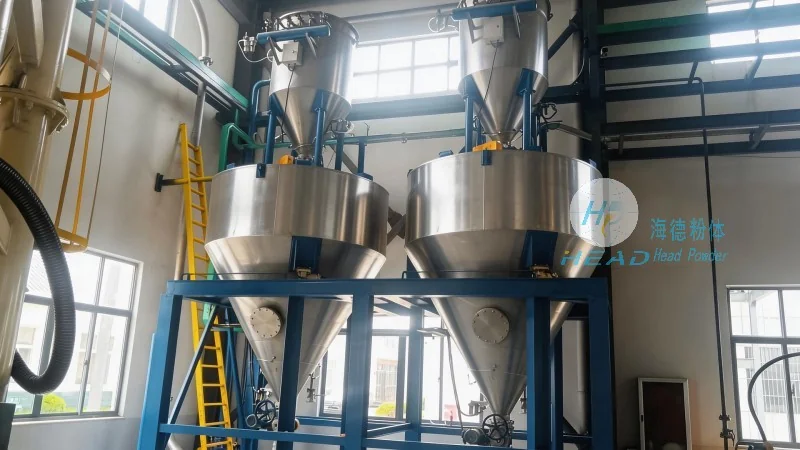
Working Scene Characteristics and Applications
Biomass pellet conveying lines are employed in various industrial settings, each with distinct characteristics that influence system design. In power plants, for example, these systems are used to transport pellets from storage silos to combustion chambers, requiring high capacity and reliability to support continuous energy generation. In biomass pellet production facilities, conveying lines facilitate the movement of raw materials or finished pellets between processing stages, such as drying, grinding, and packaging. The working scene characteristics also include considerations like environmental conditions, space constraints, and material handling requirements, which are addressed through customized solutions that adapt to specific operational needs.
Product Features and Technical Specifications
HeadPowder’s biomass pellet conveying lines are engineered with features that enhance performance and longevity. These systems typically include heavy-duty conveyor belts or chains made from materials resistant to wear and corrosion, such as rubber or polyurethane. The feed mechanisms are designed to handle irregularly shaped pellets without causing blockages or damage, ensuring smooth material flow. Control systems integrate sensors and automation technologies to monitor and adjust the conveying process in real-time, improving efficiency and reducing downtime. Additionally, the systems are designed for easy maintenance, with accessible components and modular designs that allow for quick repairs and upgrades.
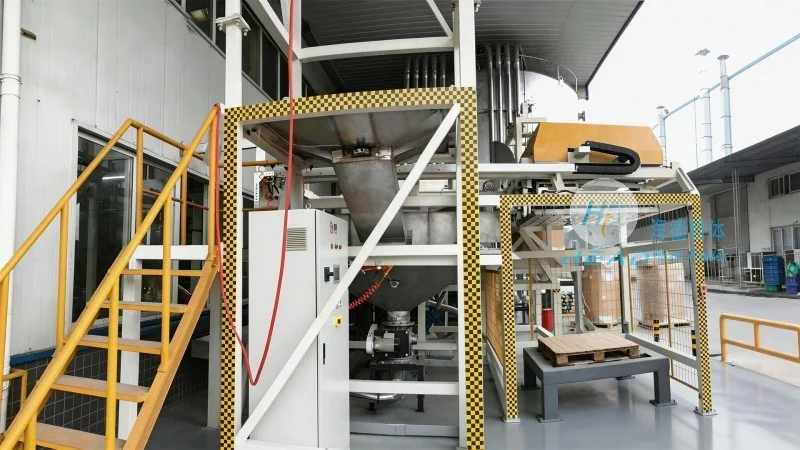
Customization and Integration Capabilities
Recognizing that each industrial application has unique requirements, HeadPowder offers customized biomass pellet conveying solutions. The company works closely with clients to understand their specific operational needs, such as throughput capacity, material type, and environmental conditions, and then designs a system that meets those requirements. Integration with existing processing equipment is also a key capability, as the conveying lines can be seamlessly connected to other machinery like grinders, dryers, or packaging units. This integration ensures a smooth workflow and maximizes overall operational efficiency.
Quality Assurance and After-Sales Support
HeadPowder adheres to strict quality standards in the manufacturing of its biomass pellet conveying lines. The company uses high-quality materials and advanced manufacturing processes to ensure durability and reliability. Each system undergoes rigorous testing before delivery to verify performance and compliance with industry standards. After-sales support is also a priority, with the company providing comprehensive maintenance services, spare parts availability, and technical assistance to ensure long-term system performance. This commitment to quality and support helps clients achieve optimal results and maximize the return on their investment in biomass processing equipment.