

Principle and Working Scene Characteristics of Sawdust and Wood Flakes Material Conveying Lines
HeadPowder, a leading manufacturer in the field of material handling solutions, specializes in the design and production of advanced conveying systems tailored for the efficient transport of sawdust and wood flakes. This article delves into the fundamental principles of such material conveying lines and highlights the key characteristics of their operational environments, providing a comprehensive overview for industry professionals seeking reliable and efficient solutions for wood processing applications.
Introduction to Sawdust and Wood Flakes Material Conveying Lines
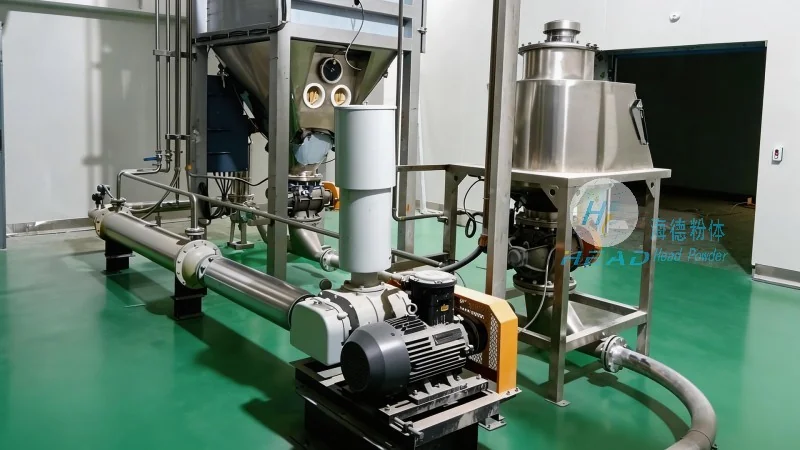
Sawdust and wood flakes are common byproducts in the woodworking and wood processing industries, requiring specialized equipment for their transport from production sites to storage or processing areas. The material conveying line, as a core component of modern material handling systems, addresses these needs through a combination of mechanical engineering and industrial design. HeadPowder Engineering Co., Ltd., based in Shandong, China, has been at the forefront of developing these systems, leveraging years of experience to meet the diverse demands of the wood processing sector.
Principle of the Conveying Line
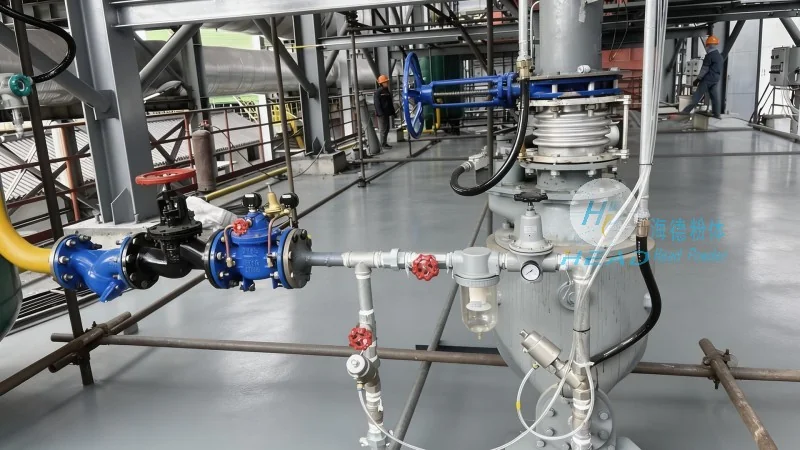
The operation of a sawdust and wood flakes material conveying line is based on the principles of mechanical transport, typically utilizing a combination of gravity, vacuum, or positive pressure to move the lightweight, fine-grained materials. The system generally consists of several key components, including a hopper for material collection, a conveyor belt or screw mechanism for transport, and a control system for operation. The hopper ensures that the material is evenly fed into the conveyor, while the conveyor itself is designed to handle the specific characteristics of sawdust and wood flakes, such as their low density and tendency to create dust. The control system allows for precise regulation of the conveying speed and volume, optimizing the overall efficiency of the process. HeadPowder's engineering expertise ensures that each component is optimized for the unique properties of the materials being handled, resulting in a reliable and efficient conveying solution.
Working Scene Characteristics
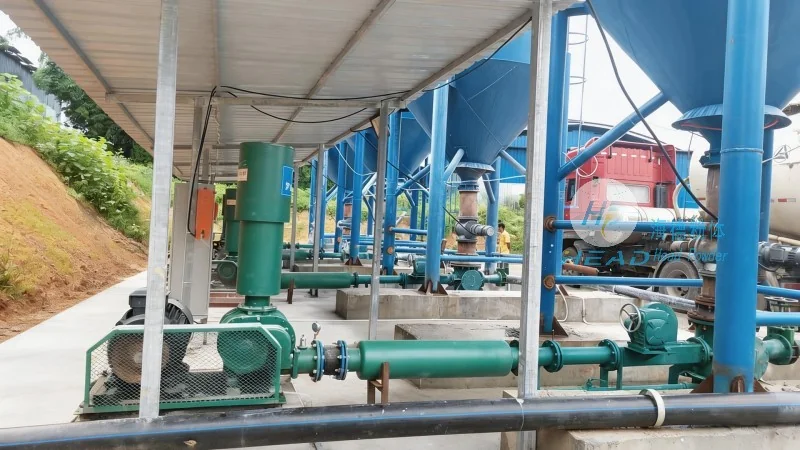
The working scene characteristics of sawdust and wood flakes material conveying lines vary significantly depending on the specific application and industrial environment. In industrial wood processing facilities, these systems are often integrated into larger production lines, where they play a critical role in maintaining the flow of materials from sawing, chipping, or grinding operations to storage silos or further processing stages. The operational environment is typically characterized by high dust levels, requiring robust dust control measures and durable equipment to ensure longevity and performance. Additionally, the conveying lines must be designed to handle variations in material consistency, such as changes in moisture content or particle size, which can affect the conveying efficiency. HeadPowder's systems are engineered to adapt to these variations, ensuring consistent performance even under challenging conditions. The working scene also includes considerations for space constraints, as many industrial facilities have limited room for large equipment, prompting the use of compact and modular conveying solutions. HeadPowder addresses these constraints by offering customizable designs that fit within the available space while maintaining high conveying capacity and efficiency.
Technical Advantages in Material Handling
HeadPowder's sawdust and wood flakes material conveying lines offer several technical advantages that enhance their performance and reliability. The use of high-quality materials in the construction of the conveyor components, such as corrosion-resistant metals and durable plastics, ensures that the system can withstand the harsh conditions of the wood processing industry. The conveyor mechanisms are designed with low friction and minimal maintenance requirements, reducing downtime and operational costs. Furthermore, the integration of advanced control systems allows for real-time monitoring of the conveying process, enabling operators to quickly identify and address any issues that may arise. This proactive approach to maintenance and operation contributes to the overall efficiency and longevity of the system. The systems are also designed to be energy-efficient, with optimized motor sizes and transmission systems that minimize power consumption without compromising conveying capacity. These technical advantages make HeadPowder's conveying lines a preferred choice for businesses seeking reliable and cost-effective material handling solutions in the wood processing sector.
Conclusion and Application Scope
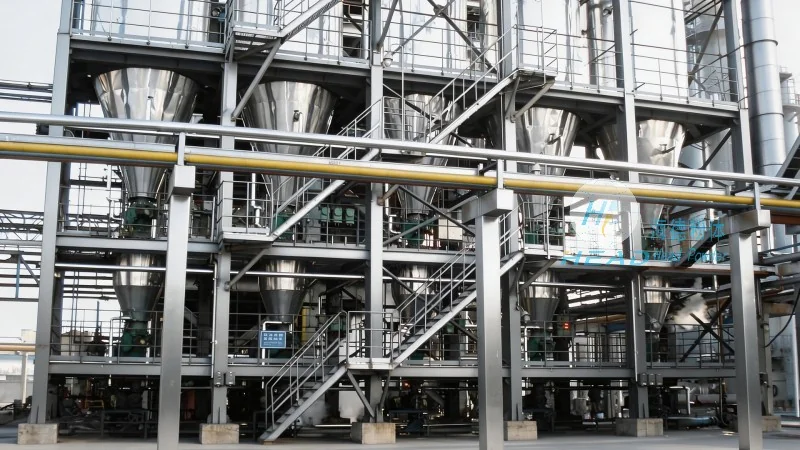
In conclusion, the sawdust and wood flakes material conveying lines developed by HeadPowder Engineering Co., Ltd. represent a sophisticated solution for the efficient transport of lightweight, fine-grained materials in the wood processing industry. By understanding the fundamental principles of the system and the characteristics of the working environment, businesses can select the most appropriate conveying line to meet their specific needs. HeadPowder's commitment to quality, innovation, and customer satisfaction ensures that their products are not only effective but also tailored to the unique requirements of each application. With operations based in Shandong, China, HeadPowder continues to provide reliable material handling solutions that support the growth and efficiency of the wood processing industry worldwide.