

Principle and Working Scene Characteristics of Foam Powder Material Conveying Lines
Understanding the operational principles and application scenarios of foam powder material conveying lines is crucial for industries dealing with lightweight, low-density materials like foam powders. These systems are engineered to efficiently transport such materials while maintaining their integrity and preventing degradation. This article explores the core principles behind foam powder conveying systems and highlights key working scene characteristics that define their effectiveness in various industrial settings.
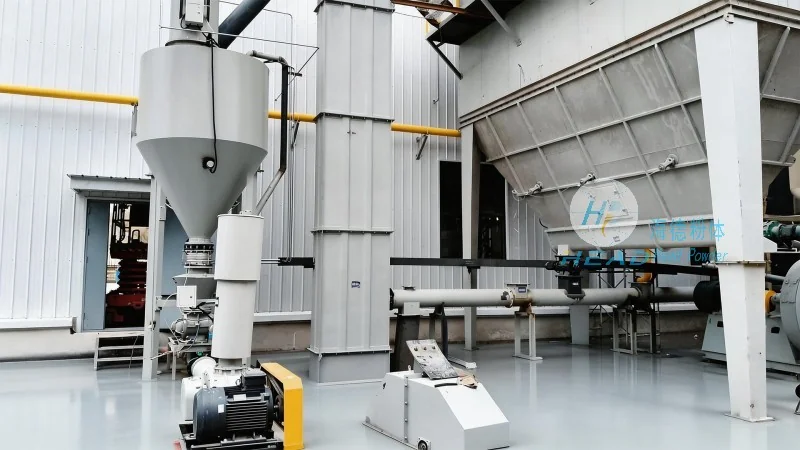
Core Principles of Foam Powder Material Conveying Lines
The fundamental principle of foam powder material conveying lines revolves around the use of specialized equipment designed to handle the unique properties of foam powders. Unlike traditional bulk materials, foam powders are characterized by their low density, high porosity, and tendency to create air resistance during transport. To address these challenges, conveying systems employ advanced technologies such as pneumatic conveying, mechanical screw conveyors, or combination systems that integrate both pneumatic and mechanical components. The primary goal is to ensure consistent flow, minimize material degradation, and maintain product quality throughout the conveying process.
A key aspect of the principle is the control of air flow and pressure within the system. Pneumatic conveying systems utilize compressed air to move the powder through pipelines, leveraging the pressure differential to propel the material. This method is particularly effective for foam powders as it reduces friction and prevents agglomeration, which can occur with traditional mechanical conveyors. Additionally, the design of the conveying line, including the choice of pipeline diameter, material, and the incorporation of air separation or filtration systems, plays a critical role in optimizing performance. For instance, using stainless steel or food-grade materials for pipelines ensures durability and compliance with industry standards, while the integration of cyclone separators or bag filters helps maintain air quality and prevents dust contamination.
Working Scene Characteristics of Foam Powder Material Conveying Lines
The effectiveness of foam powder material conveying lines is heavily influenced by the specific working scene characteristics in which they are deployed. These characteristics include the nature of the material being conveyed, the distance and layout of the conveying route, the required throughput, and the environmental conditions of the operational site. Each of these factors dictates the selection of the appropriate conveying technology and system configuration.
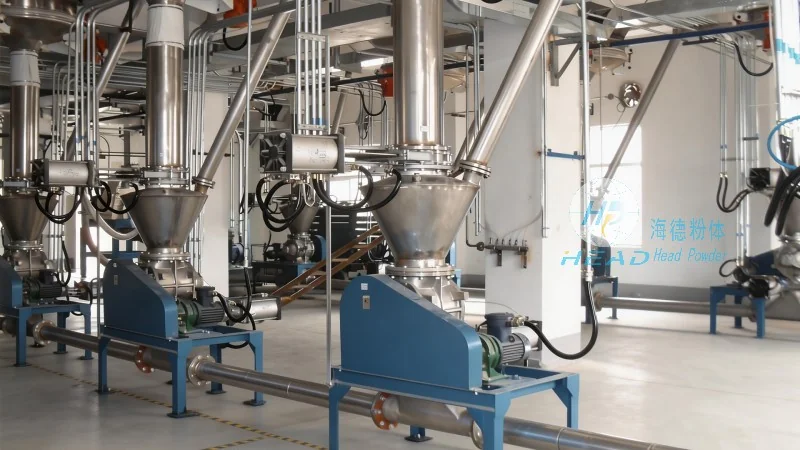
One prominent working scene is in the manufacturing of lightweight building materials, where foam powders are used as raw materials for insulation boards or lightweight concrete. In such settings, the conveying line must handle large volumes of powder over considerable distances, often within a factory environment. The system is typically integrated with production lines, requiring seamless coordination to ensure a steady supply of material. The working scene also involves maintaining a clean and controlled environment, as foam powders can be fine and easily airborne, necessitating dust control measures integrated into the conveying system.
Another common application is in the food and pharmaceutical industries, where foam powders may be used as ingredients or additives. Here, the working scene emphasizes strict hygiene and compliance with regulatory standards. The conveying line is designed with sanitary components, such as stainless steel construction and easy-to-clean surfaces, to prevent contamination. The system may also incorporate air filtration and sterilization processes to ensure the material remains free from microbial growth. The working scene in this context often involves small-scale, precise conveying of powder, requiring high accuracy in flow control and minimal product loss.
In the chemical and industrial sectors, foam powder material conveying lines are used for transporting specialized powders used in coatings, adhesives, or specialty chemicals. The working scene in these applications may involve handling materials with varying moisture content or reactive properties, which requires the conveying system to be equipped with temperature control or moisture-proof features. For example, some systems may include heating elements to prevent material caking or cooling mechanisms to maintain the material's stability. The working scene also considers the need for flexibility, as different production batches may require different conveying parameters, necessitating adjustable speed controls and variable air pressure settings.
Key Features and Advantages in Different Working Scenarios
Across various working scenes, foam powder material conveying lines exhibit several key features that enhance their performance and adaptability. These features are tailored to address the specific challenges posed by the material and the operational environment. One notable advantage is the ability to handle high volumes of material with minimal energy consumption. Pneumatic conveying systems, in particular, are known for their efficiency in moving large quantities of light materials over long distances with lower operational costs compared to mechanical conveyors.
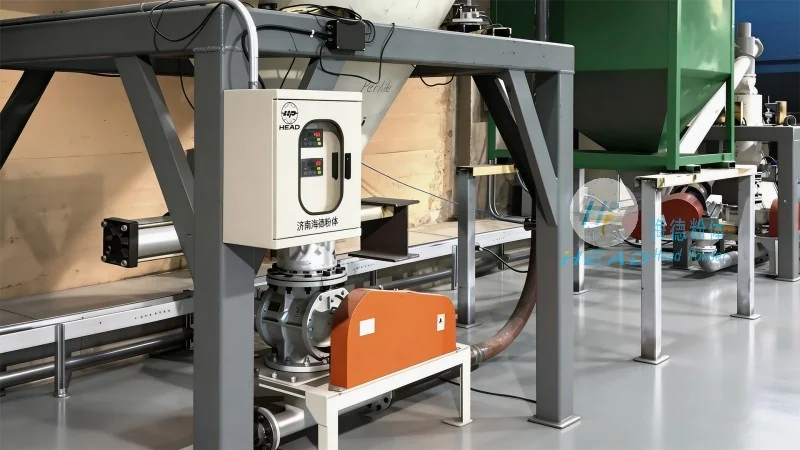
Another critical feature is the prevention of material degradation and contamination. Advanced conveying systems incorporate filtration and separation technologies that remove dust and foreign particles from the air stream, ensuring the purity of the conveyed material. This is especially important in industries where product quality is paramount, such as food processing or pharmaceutical manufacturing. The use of sealed pipelines and airlocks further prevents cross-contamination and environmental exposure, maintaining the integrity of the foam powder throughout the process.
Flexibility and adaptability are also key characteristics. Many modern conveying lines are designed with modular components that can be easily reconfigured to accommodate changes in production requirements or material types. This allows for scalability, enabling the system to grow with the company's needs without requiring a complete overhaul. Additionally, the integration of automation and control systems provides real-time monitoring and adjustment of conveying parameters, enhancing operational efficiency and reducing downtime.
Conclusion and Practical Implications
In conclusion, foam powder material conveying lines are sophisticated systems that combine engineering principles with practical application to meet the demands of various industries. The core principles of these systems focus on efficient material transport while preserving product quality and safety. The working scene characteristics, ranging from large-scale manufacturing to precise pharmaceutical applications, highlight the versatility and adaptability of the technology. By understanding these principles and characteristics, businesses can select and implement the most suitable conveying solution, optimizing their production processes and ensuring consistent performance. As industries continue to evolve, the continued development of advanced foam powder conveying systems will play a vital role in enhancing operational efficiency and maintaining high standards of material handling.