

Principle and Working Scene Characteristics of Limestone Powder Granular Material Conveying Lines
HeadPowder, a leading engineering company based in Shandong, China, specializes in the design and implementation of advanced material handling systems. One of their core offerings is the limestone powder granular material conveying line, a sophisticated solution tailored for the efficient transport of fine powders and granular materials. This article delves into the fundamental principles behind these systems and explores the specific working scene characteristics that define their application in various industrial settings.
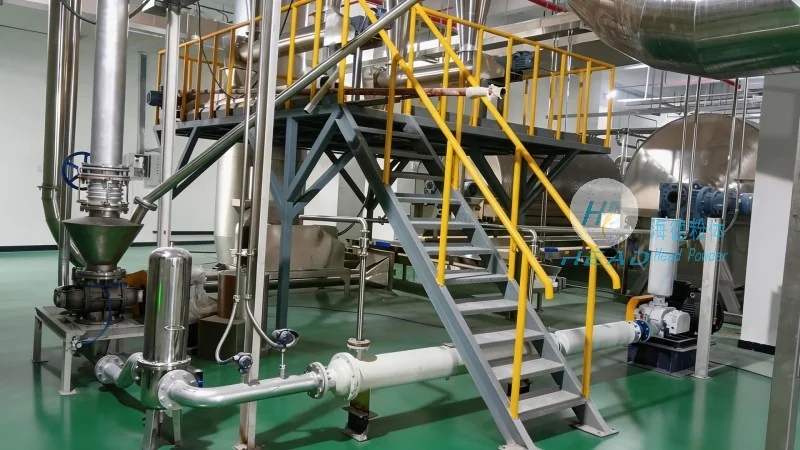
Understanding the Core Principle of Limestone Powder Granular Material Conveying Lines
The limestone powder granular material conveying line operates on the principle of mechanical transport, leveraging a combination of components to move materials from one location to another. At its heart, the system typically consists of a series of interconnected elements, including a feeding mechanism, a conveyor belt or screw conveyor, a drive system, and a control unit. The feeding mechanism ensures a consistent and controlled input of limestone powder, preventing overloading and maintaining optimal flow rates. The conveyor component, often a belt or screw conveyor, is designed to handle the granular and powdery nature of limestone, with features such as anti-sticking coatings and adjustable speed controls to adapt to varying material properties. The drive system provides the necessary power to move the material, while the control unit monitors and adjusts parameters like speed, pressure, and temperature to ensure safe and efficient operation. This integrated approach allows for a seamless and reliable transport process, minimizing downtime and maximizing productivity.
Key Working Scene Characteristics of Limestone Powder Conveying Systems
The working scene characteristics of limestone powder granular material conveying lines are shaped by the specific demands of the industrial environment in which they are deployed. These characteristics include factors such as the scale of operation, the type of material being handled, the required throughput, and the environmental conditions. In large-scale mining and cement production facilities, for instance, these systems are often integrated into extensive material handling networks, connecting multiple processing units and storage areas. The high throughput requirements in such settings necessitate robust and high-capacity conveying solutions, with features like wide belts, high-speed drives, and multiple feeding points to handle large volumes of limestone powder efficiently. In contrast, smaller-scale applications, such as in construction material processing plants or small-scale mining operations, may utilize more compact and flexible conveying lines, tailored to handle lower volumes with precision. The working scene also considers the need for dust control and environmental protection, as limestone powder can be fine and potentially hazardous. Advanced systems incorporate dust suppression mechanisms, such as water sprayers or enclosed conveyor designs, to minimize airborne particles and ensure compliance with environmental regulations. Additionally, the system's adaptability to different material characteristics is a critical working scene characteristic. Limestone powder can vary in moisture content, particle size distribution, and bulk density, and the conveying line must be designed to accommodate these variations without compromising performance. This adaptability is achieved through adjustable components, such as variable speed drives and adjustable feed hoppers, which allow operators to optimize the system for different material types and conditions.
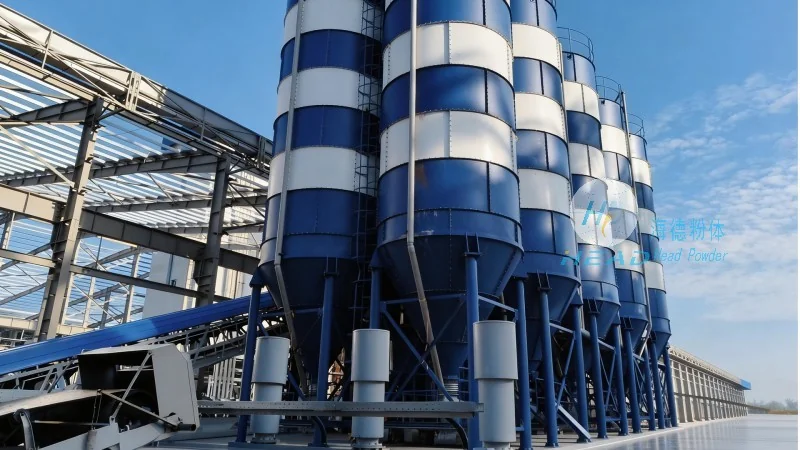
Application Scenarios and Industry Integration
HeadPowder's limestone powder granular material conveying lines are widely applied across various industries, each presenting unique working scene characteristics that the system must address. In the cement industry, for example, these systems are integral to the production process, transporting limestone from storage silos to grinding mills. The high demand for consistent material quality and the need for continuous operation in cement plants make the reliability and efficiency of the conveying line paramount. The system must handle large quantities of limestone with minimal variation in particle size and moisture content to ensure the quality of the final cement product. In the mining sector, the conveying line is used to transport limestone from the mine site to processing facilities or for internal transport within the mine. The rugged and often remote working environment of mining operations requires the conveying line to be durable, resistant to wear, and capable of operating under harsh conditions, such as high temperatures and dust. The system's ability to handle abrasive materials and its low maintenance requirements are key working scene characteristics that make it suitable for mining applications. In the construction and building materials industry, the conveying line is used to transport limestone powder for various applications, including as a raw material in concrete production or as a filler in other building products. The working scene in this industry emphasizes the need for precise material handling, as the quality of the final product depends on the uniformity of the limestone powder. The system's ability to deliver material with consistent flow rates and minimal segregation is crucial, ensuring that the limestone powder meets the required specifications for construction applications. Furthermore, the system's integration with other processing equipment, such as mixers and storage tanks, is a critical working scene characteristic. The conveying line must be compatible with the existing infrastructure and capable of seamless data exchange with other control systems to maintain overall operational efficiency.
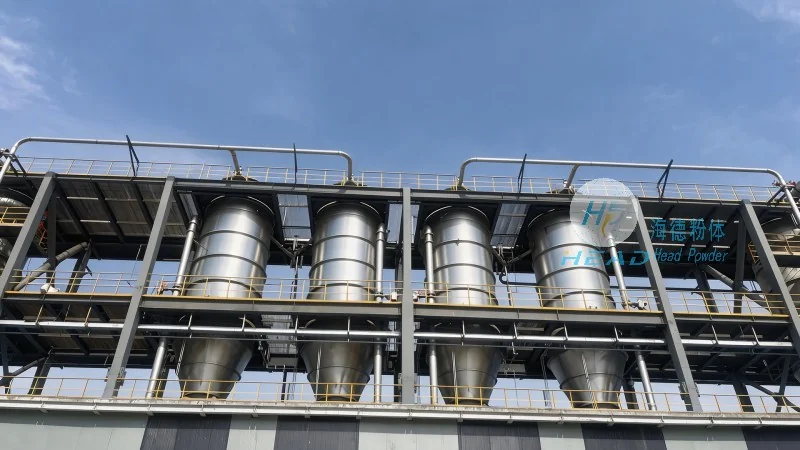
Advantages and Performance Metrics in Real-World Applications
The limestone powder granular material conveying line from HeadPowder offers several advantages that make it a preferred choice in industrial applications. One of the primary advantages is its high efficiency in material transport, with the ability to handle large volumes of limestone powder at consistent speeds. This efficiency translates into reduced operational costs and increased productivity for the end-user. The system's reliability is another key advantage, with features such as redundant components and advanced monitoring systems that minimize downtime and ensure continuous operation. The adaptability of the system to different material characteristics and working conditions is also a significant benefit, allowing it to be customized for specific applications without compromising performance. Performance metrics such as throughput capacity, energy consumption, and material loss are critical in evaluating the effectiveness of the conveying line. High throughput capacity, often measured in tons per hour, is essential for meeting the demands of large-scale production. Low energy consumption per ton of material transported is a key factor in reducing operational costs. Minimal material loss during transport, achieved through effective sealing and low friction components, ensures that the material is delivered in optimal condition, preserving its quality and reducing waste. These performance metrics are directly influenced by the working scene characteristics, as the system must be optimized for the specific material and operational conditions. HeadPowder's engineering expertise allows for the design of conveying lines that meet these performance metrics while addressing the unique challenges of each working scene.
Conclusion and Future Trends
In conclusion, the limestone powder granular material conveying line is a sophisticated and essential component of modern industrial material handling systems. The core principle of mechanical transport, combined with advanced design features, enables efficient and reliable movement of limestone powder in various working scenes. The working scene characteristics, including scale, material properties, and environmental conditions, play a crucial role in determining the optimal design and operation of the conveying line. HeadPowder's commitment to engineering excellence and customization ensures that their conveying lines are tailored to meet the specific needs of different industries, providing solutions that enhance productivity, reduce costs, and ensure compliance with operational and environmental standards. As industrial demands evolve, the future of limestone powder conveying systems will likely focus on further improvements in efficiency, adaptability, and integration with advanced control technologies. The continued development of these systems will support the growth of industries that rely on limestone powder, such as cement, mining, and construction, by providing reliable and sustainable material handling solutions.