

Principle and Working Scene Characteristics of Polyurethane Material Conveying Lines
HeadPowder, a professional manufacturer based in Shandong, China, specializes in the design, development, and production of high-quality polyurethane material conveying systems. With a strong focus on engineering excellence and customer satisfaction, the company has established itself as a leading provider in the industry. HeadPowder's commitment to innovation and quality ensures that their products meet the stringent demands of modern industrial applications.
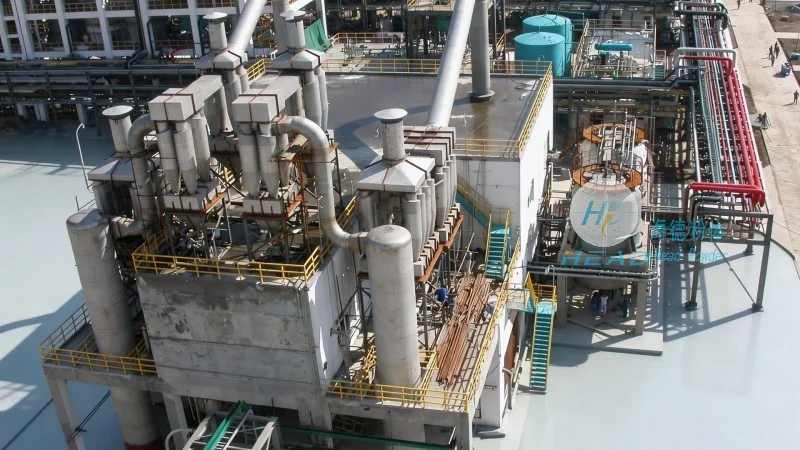
Principle of Polyurethane Material Conveying Lines
Polyurethane material conveying lines operate on the fundamental principle of utilizing flexible or rigid polyurethane components to transport various materials efficiently. The core mechanism involves the use of conveyor belts, rollers, or other polyurethane-based structures that are engineered to handle diverse materials with minimal friction and wear. These systems often incorporate drive mechanisms, such as motors and pulleys, to ensure smooth and continuous material movement. The polyurethane material's inherent properties, including its durability, flexibility, and resistance to abrasion, make it an ideal choice for demanding industrial applications. The design of these systems allows for precise control over material flow, ensuring that products are transported safely and efficiently from one stage of production to the next.
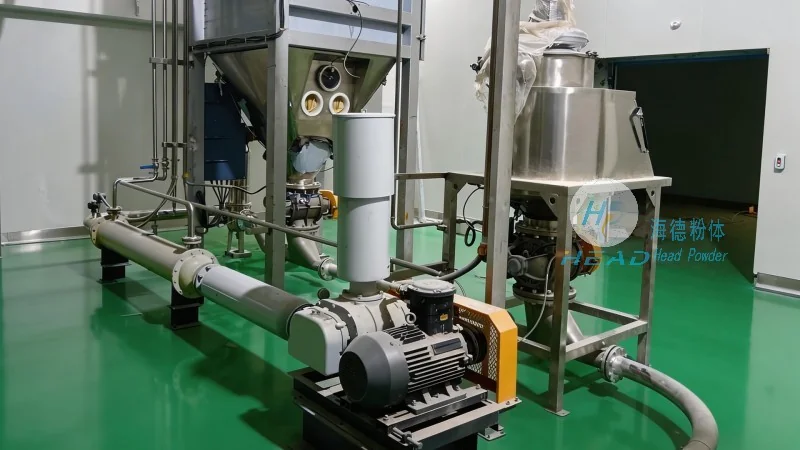
Working Scene Characteristics of Polyurethane Material Conveying Lines
The working scene characteristics of polyurethane material conveying lines are tailored to meet the specific needs of different industrial environments. These systems are designed to handle a wide range of materials, from powders and granules to bulk solids, with precision and reliability. The flexibility of polyurethane allows for the creation of customized conveyor solutions that can adapt to various spatial constraints and operational requirements. Additionally, the systems are built to withstand harsh conditions, including high temperatures, moisture, and chemical exposure, ensuring long-term performance and minimal maintenance. In manufacturing facilities, these conveying lines are often integrated into automated production lines, enhancing overall operational efficiency and reducing human intervention.
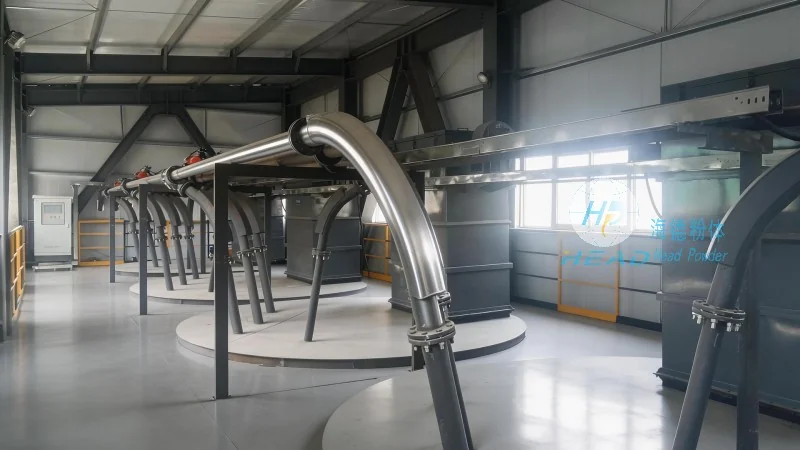
Advantages in Application
When deployed in industrial settings, polyurethane material conveying lines offer several key advantages. Their ability to handle abrasive materials without significant wear and tear reduces the need for frequent replacements, thereby lowering operational costs. The smooth surface of polyurethane conveyor belts minimizes material buildup and ensures consistent flow, which is crucial for maintaining production efficiency. Furthermore, the systems are easy to install and maintain, with modular components that can be replaced or upgraded as needed. This adaptability makes them suitable for both new installations and retrofitting existing production lines. In sectors like pharmaceuticals and food processing, the hygienic design of polyurethane components ensures compliance with stringent sanitary standards, making them a preferred choice for industries where product purity is paramount.
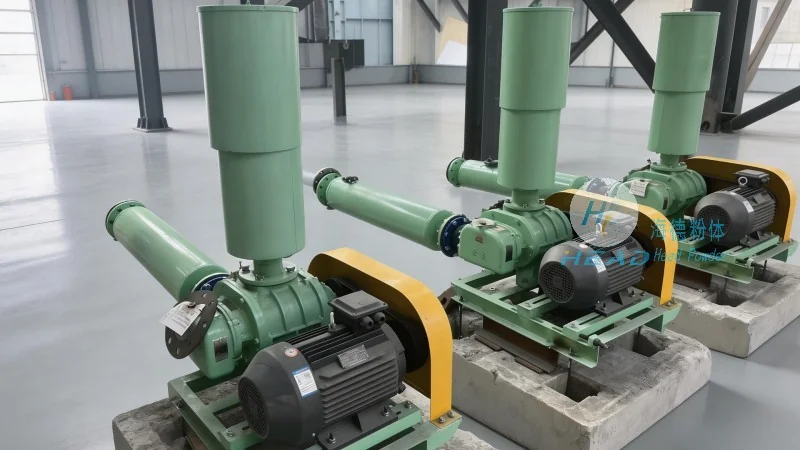
Technical Details and Customization
HeadPowder's polyurethane material conveying lines are engineered with precision, incorporating advanced materials and manufacturing techniques to ensure optimal performance. The conveyor belts are typically made from high-quality polyurethane compounds that are formulated to resist degradation from exposure to various substances. The systems can be customized in terms of length, width, and speed to suit specific production requirements. For instance, in food processing industries, the polyurethane components are often designed to meet sanitary standards, ensuring compliance with regulatory requirements. In mining and construction sectors, the conveyor systems are built to withstand heavy loads and harsh environmental conditions, providing reliable material transport over extended periods. The company's expertise in material science and engineering allows them to develop tailored solutions that address the unique challenges faced by each client, ensuring that the conveying lines not only meet but exceed industry expectations.