

Principle and Working Scene Characteristics of Alumina Material Conveying Lines
HeadPowder, a leading engineering company based in Shandong, China, specializes in the design and implementation of advanced material handling systems tailored for the alumina industry. This article explores the fundamental principles behind alumina material conveying lines and highlights the key characteristics of their operational environments, providing a comprehensive overview for industry professionals seeking to understand or implement such systems.
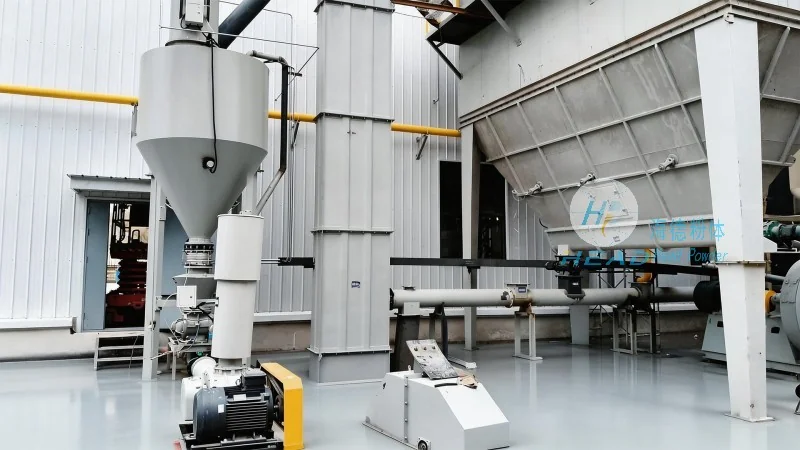
Core Principles of Alumina Material Conveying Lines
The operation of alumina material conveying lines is built upon several critical principles that ensure efficient and reliable material transport. These systems are engineered to handle the unique physical and chemical properties of alumina, a widely used industrial material in sectors such as ceramics, refractories, and chemical manufacturing. The primary principles include:
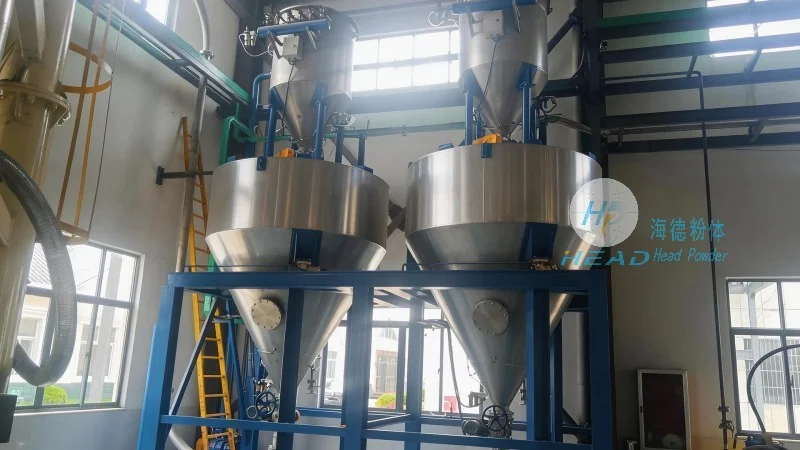
- Material Handling Efficiency: Systems are designed to minimize downtime and maximize throughput, utilizing advanced control mechanisms and robust components to maintain consistent material flow.
- Process Integration: Alumina conveying lines are often integrated with upstream and downstream processes, such as grinding, drying, or packaging, to form a seamless production workflow.
- Safety and Reliability: Compliance with industrial safety standards and the use of durable materials ensure that the conveying systems operate reliably over extended periods, reducing maintenance requirements and operational risks.
Working Scene Characteristics of Alumina Conveying Lines
The operational environments of alumina material conveying lines present specific challenges and requirements that influence system design and performance. These characteristics are crucial for optimizing system efficiency and longevity:
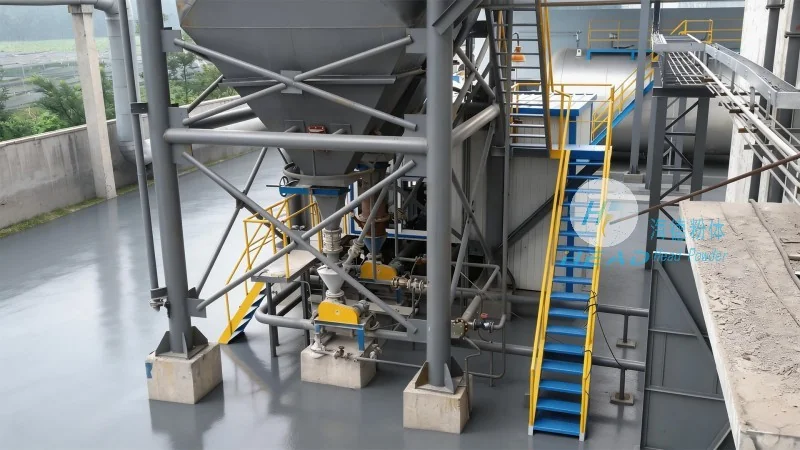
- High-Dust Environments: Alumina processing often generates significant dust, necessitating dust control measures and specialized equipment to maintain air quality and prevent material buildup.
- Temperature Variations: Depending on the processing stage, the material may be exposed to varying temperatures, requiring materials and components that can withstand thermal stress without degradation.
- Material Abrasiveness: Alumina is a hard, abrasive material that can cause wear on conveying components. Systems are designed with wear-resistant materials and protective features to extend the lifespan of critical parts.
- Space Constraints: Industrial facilities often have limited space, demanding compact and flexible conveying solutions that can be customized to fit specific site layouts.
Application Scenarios in the Alumina Industry
Alumina material conveying lines are employed in various applications across the alumina production and processing chain. These include:
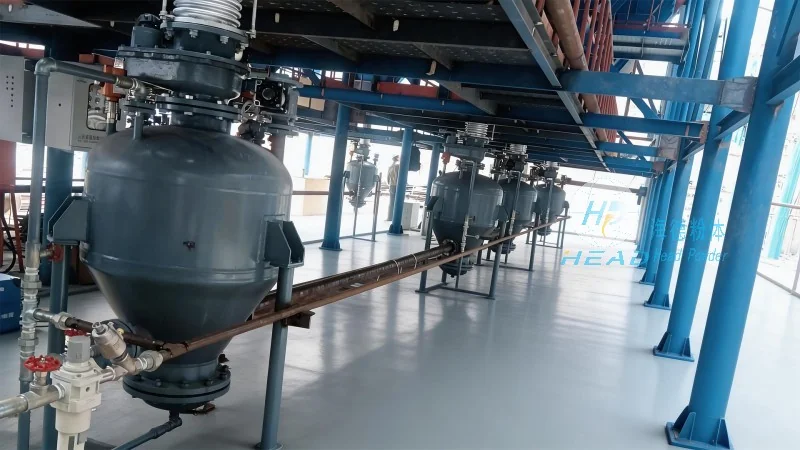
- Raw Material Transport: Conveying raw bauxite or other raw materials to processing plants, ensuring a steady supply for production.
- Intermediate Product Handling: Moving processed alumina products between different stages of production, such as from grinding to drying or packaging.
- Waste Management: Transporting waste materials or byproducts from the production process to disposal or recycling facilities.
Conclusion and Company Overview
HeadPowder Engineering Co., Ltd., headquartered in Shandong, China, is a trusted provider of specialized material handling solutions for the alumina industry. By adhering to the core principles of efficiency, integration, and reliability, their alumina material conveying lines are engineered to meet the demanding requirements of modern industrial operations. With a focus on durability and performance, these systems contribute to enhanced productivity and operational safety in alumina processing facilities worldwide.