

Principle and Working Scene Characteristics of Fly Ash Particle Material Conveying
HeadPowder, a leading engineering company based in Shandong, China, specializes in the design and implementation of efficient material handling systems for industrial applications. One of the key areas of expertise is the conveyance of fly ash particles, a byproduct commonly generated in coal-fired power plants. This article delves into the fundamental principles underlying the process of fly ash particle material conveying and explores the distinct characteristics of various working scenarios where such systems are employed.
The Core Principles of Fly Ash Particle Conveying
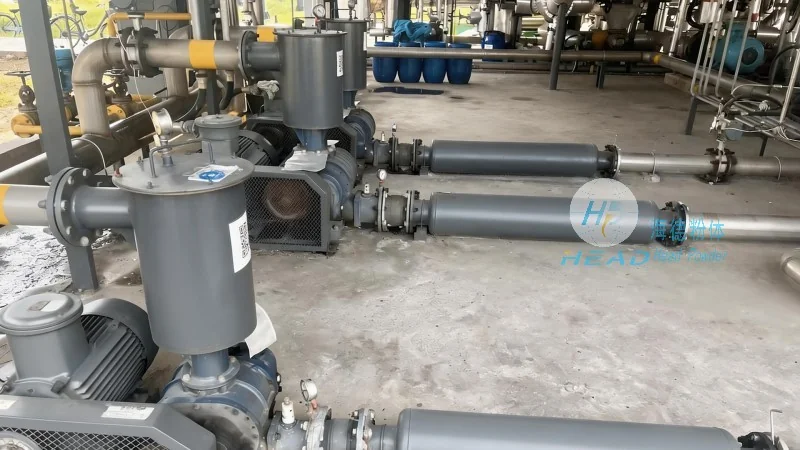
The conveyance of fly ash particles relies on several key principles that ensure effective and reliable material transport. The primary mechanism involves the use of pneumatic or mechanical systems that can handle the unique physical properties of fly ash, such as its fine particle size, density, and potential for dust generation. Pneumatic conveying systems, for instance, utilize air pressure to move particles through pipelines, while mechanical systems like screw conveyors or belt conveyors rely on mechanical force to transport the material. The choice of system depends on factors including the volume of material to be conveyed, the distance over which it must travel, and the specific characteristics of the fly ash itself.
Working Scene Characteristics: Industrial Applications
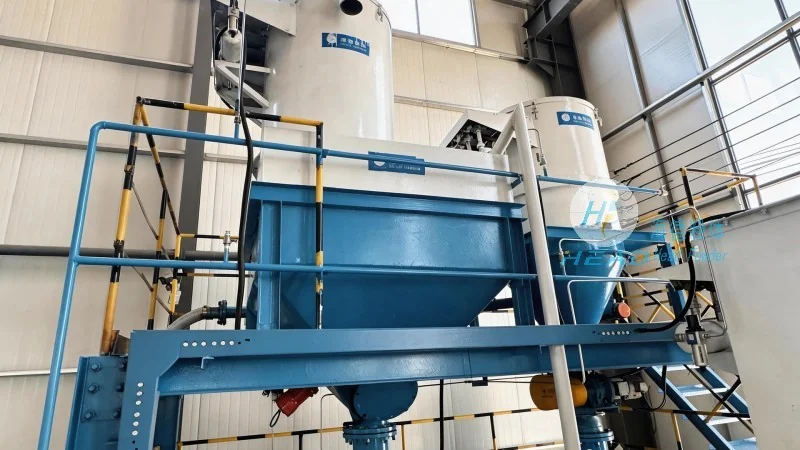
Fly ash particle material conveying systems are widely used in various industrial settings, each presenting unique challenges and requirements. In power plant environments, these systems are critical for transporting fly ash from the boiler to storage silos or for further processing. The working scene in this context involves high-volume, continuous operation, often under conditions with high temperature and humidity. The systems must be designed to handle the abrasive nature of fly ash particles, which can cause wear and tear on equipment components. Additionally, the need for dust control and environmental compliance is paramount, making the selection of appropriate materials and sealing mechanisms essential.
Application in Construction and Material Processing
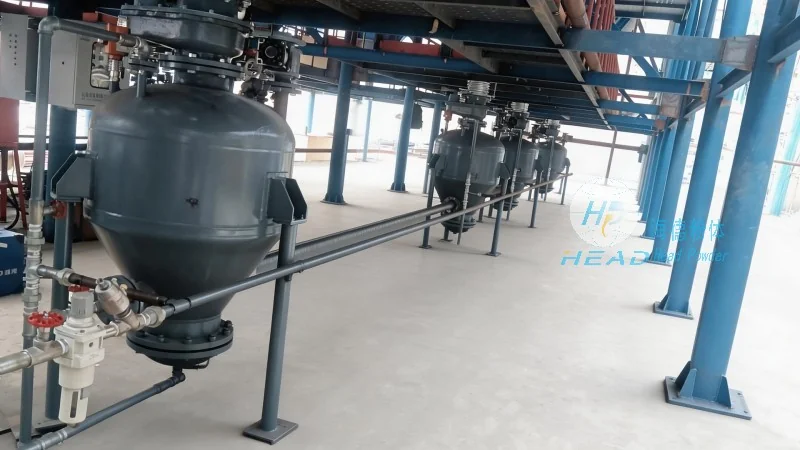
Beyond power plants, fly ash is also utilized as a supplementary cementitious material in concrete production. The conveyance of fly ash from storage facilities to mixing plants is a common application scenario. In this working scene, the focus is on ensuring consistent material flow and quality control. The systems must be capable of handling varying particle sizes and moisture content, which can affect the performance of the concrete. The working environment may involve larger storage capacities and longer transport distances, requiring robust and durable conveying equipment that can maintain the integrity of the material throughout the process.
Key Considerations for System Design and Operation
When designing and operating fly ash particle conveying systems, several factors must be carefully considered to ensure optimal performance and longevity. Material compatibility is a critical aspect, as the equipment must be resistant to the chemical and abrasive properties of fly ash. For example, stainless steel or specialized coatings may be used for components that come into direct contact with the material to prevent corrosion and wear. The system's capacity and flow rate must be matched to the production requirements, ensuring that the conveying rate does not exceed the processing capacity of downstream equipment. Additionally, the integration of dust control measures, such as cyclones or baghouses, is essential to maintain air quality and comply with environmental regulations. Regular maintenance and monitoring are also vital to prevent system failures and ensure consistent operation.
Conclusion: Enhancing Efficiency in Fly Ash Handling
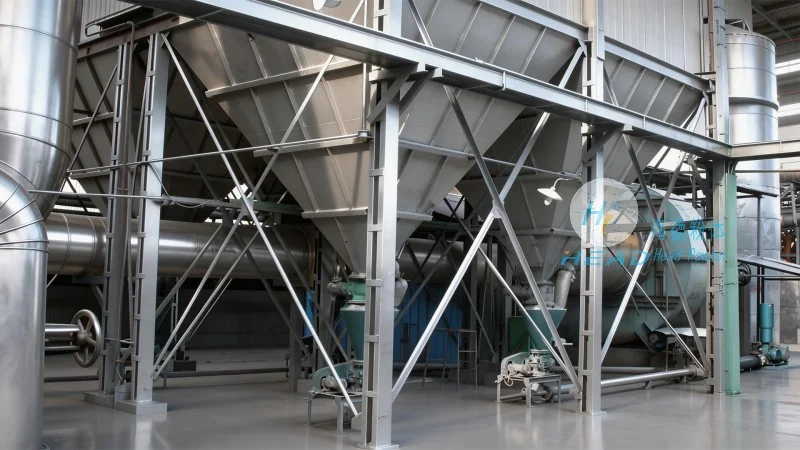
HeadPowder's expertise in fly ash particle material conveying systems enables industrial facilities to achieve efficient, reliable, and environmentally compliant material handling. By understanding the core principles and working scene characteristics, companies can select and implement the most suitable conveying solutions for their specific needs. Whether in power generation or construction, these systems play a crucial role in optimizing material flow, reducing operational costs, and improving overall process efficiency. With a focus on robust engineering and adherence to industry standards, HeadPowder continues to provide innovative solutions for the effective handling of fly ash particles.