

Principles and Working Scene Characteristics of Silicon Carbide Material Handling
HeadPowder, a leading engineering company based in Shandong, China, specializes in the design and implementation of efficient material handling systems for silicon carbide (SiC) materials. This article explores the fundamental principles behind SiC material handling and highlights the key characteristics of working scenes where these systems are applied.
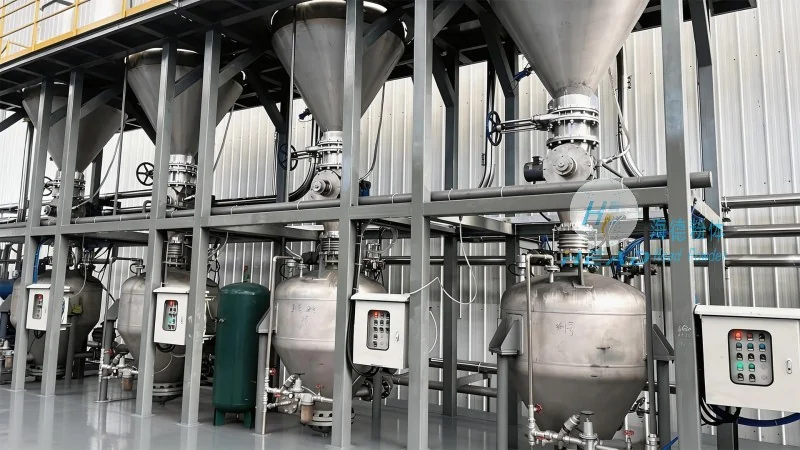
The Core Principles of Silicon Carbide Material Handling
Silicon carbide is a high-performance ceramic material widely used in various industries due to its exceptional hardness, thermal conductivity, and chemical resistance. Handling SiC materials requires specialized equipment and processes to ensure safety, efficiency, and product integrity. The primary principles of SiC material handling include:
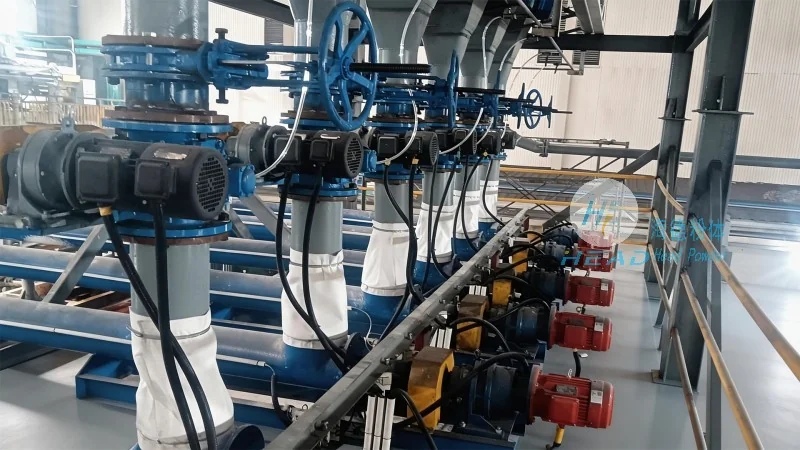
- Material Compatibility: Equipment must be constructed from materials that can withstand the abrasive and corrosive nature of SiC, such as hardened steel, tungsten carbide, or specialized polymers.
- Controlled Movement: Gentle and controlled movement is essential to prevent damage to SiC particles or components, which can be brittle under impact.
- Environmental Considerations: Proper dust control and ventilation are critical to maintain a safe working environment, as SiC dust can be hazardous if inhaled.
Key Working Scene Characteristics
The working scenes for SiC material handling vary based on the application and scale of operations. Understanding these characteristics is vital for selecting the appropriate handling system. The main working scene characteristics include:
- Industrial Manufacturing: In semiconductor manufacturing, aerospace, and automotive industries, SiC material handling systems are used for processing raw SiC powders into components like wafers, nozzles, and brake pads. These systems often operate in cleanroom environments, requiring strict contamination control.
- Research and Development Labs: Labs involved in SiC research may use smaller-scale handling equipment, such as vibrating feeders or pneumatic conveyors, to handle small batches of SiC samples for testing and analysis.
- Construction and Infrastructure: In the production of SiC-based refractory materials or abrasives, larger-scale handling systems, including bulk conveyors and storage silos, are employed to manage high volumes of SiC raw materials.
Technological Advancements in SiC Material Handling
HeadPowder leverages advanced technologies to enhance the performance of SiC material handling systems. These advancements include:
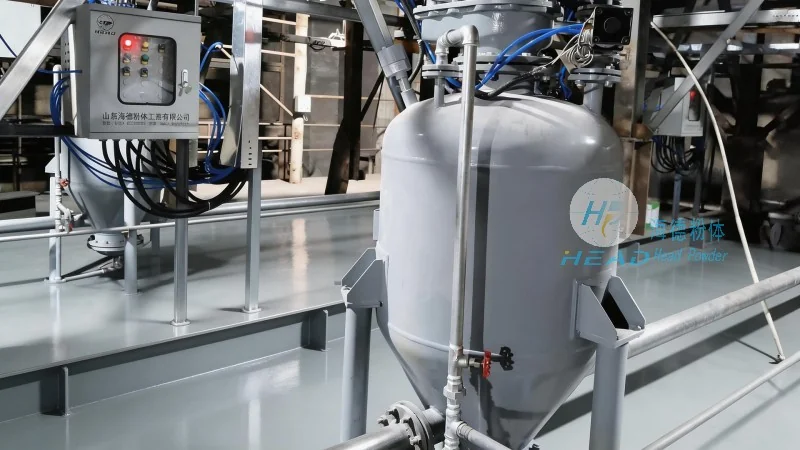
- Advanced Conveying Systems: Pneumatic and mechanical conveyors are optimized for SiC's abrasive properties, with components designed to minimize wear and extend service life.
- Automation and Control: Integrated control systems allow for precise monitoring and adjustment of material flow rates, ensuring consistent performance and reducing human error.
- Customized Solutions: Tailored systems are developed to meet specific client requirements, whether for small-scale lab use or large-scale industrial production.
Conclusion
Efficient SiC material handling is crucial for maintaining product quality and operational safety in various industries. By adhering to the core principles and understanding the characteristics of different working scenes, companies can select and implement optimal handling systems. HeadPowder, with its expertise and customized solutions, plays a key role in supporting clients in their SiC material handling needs.