

Principle and Working Environment Characteristics of Micronized Powder Pneumatic Conveying Machines
Micronized powder pneumatic conveying systems are advanced industrial equipment designed to transport fine powders efficiently through a pressurized or vacuum air stream. These systems are widely used in various industries due to their ability to handle delicate materials without causing degradation or contamination. The core principle involves the use of air as the conveying medium, which moves the powder particles through pipelines under controlled pressure conditions. This method offers several advantages over traditional mechanical conveying methods, including reduced product damage, lower maintenance requirements, and improved safety in handling hazardous materials.
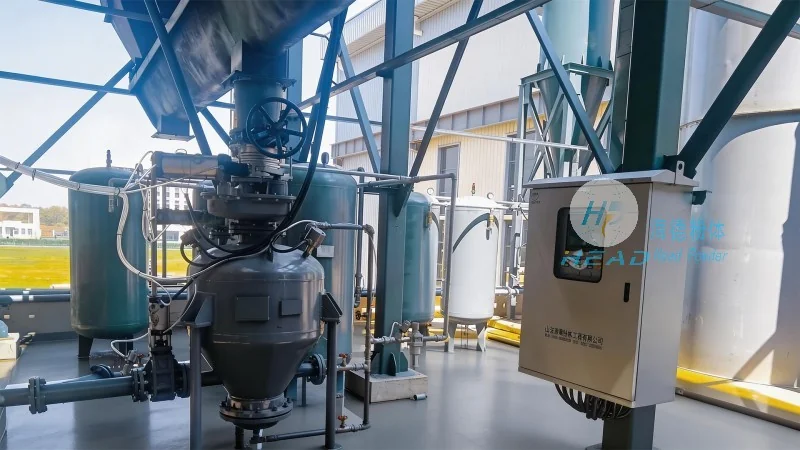
The Working Principle of Micronized Powder Pneumatic Conveying
The operation of a micronized powder pneumatic conveying system is based on the fundamental physics of fluid dynamics and particle transport. The system typically consists of a hopper, a conveyor line, a control valve, and a receiver. The process begins when the powder is fed into the hopper, where it is then drawn into the conveyor line by a fan or blower that creates a pressure differential. The air stream, carrying the powder particles, travels through the pipeline to the receiver, where the powder is separated from the air by a filter or cyclone. The system can operate in either positive pressure (pressure conveying) or negative pressure (vacuum conveying) modes, depending on the application requirements. Positive pressure systems are suitable for long-distance or high-capacity transport, while negative pressure systems are ideal for handling dust-sensitive materials or in environments where dust control is critical.
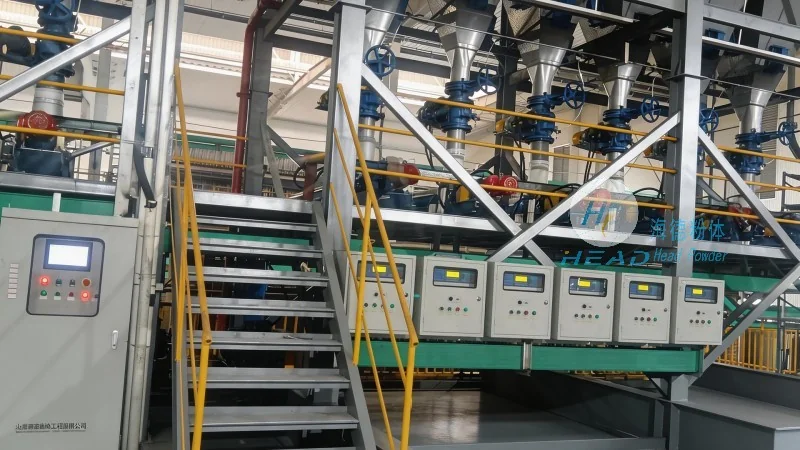
Key Components and Their Functions
Several critical components work together to ensure the efficient operation of a micronized powder pneumatic conveying system. The hopper serves as the storage and feeding unit, where the powder is held and metered into the system. The conveyor line, usually made of stainless steel or other corrosion-resistant materials, is designed to withstand the pressure and temperature of the conveying process. The control valve, often a rotary or slide valve, regulates the flow of powder and air, allowing for precise control over the conveying rate. The fan or blower provides the necessary air pressure to move the powder particles, with the selection of equipment depending on the material's properties and the system's capacity. The receiver, equipped with a filter or cyclone, separates the powder from the air, ensuring that the material is collected in a clean and dry state. Additionally, the system may include a dust collection system to prevent air pollution and maintain a safe working environment.
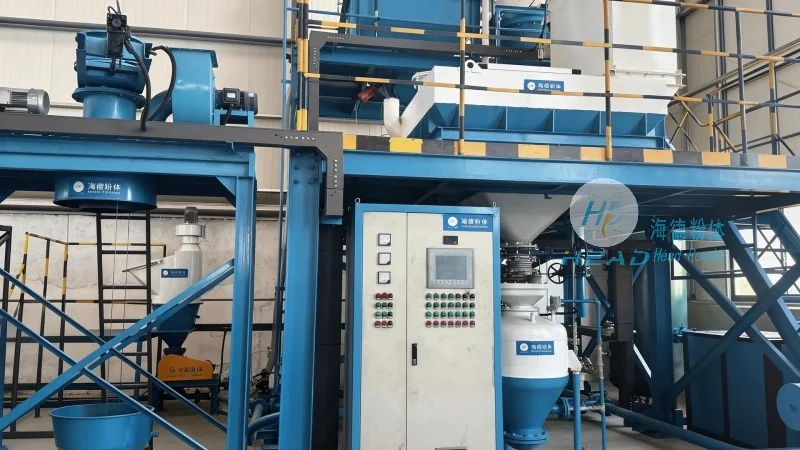
Application Scenarios and Operational Characteristics
Micronized powder pneumatic conveying systems are employed in a wide range of applications across different industries. In the pharmaceutical industry, these systems are used to transport active pharmaceutical ingredients (APIs) and excipients with high precision, ensuring that the materials remain sterile and free from contamination. The food industry utilizes them for conveying fine powders such as sugar, flour, and spices, where maintaining product quality and hygiene is paramount. In the chemical industry, the systems handle various powders, including catalysts and reagents, where the risk of material degradation is high. The construction industry uses them for transporting cement and other building materials, especially in large-scale projects where long-distance transport is required. The key operational characteristics of these systems include high efficiency in material transport, minimal product loss, and the ability to handle materials with varying particle sizes and densities. The systems are also designed to be flexible, allowing for adjustments in conveying rate and distance based on the specific application needs.
Advantages and Considerations in Industrial Use
One of the primary advantages of micronized powder pneumatic conveying systems is their ability to handle delicate and sensitive materials without causing agglomeration or degradation. Unlike mechanical conveyors, which can cause friction and particle breakage, pneumatic systems use air to move the material, reducing the risk of product damage. Additionally, these systems offer high capacity and long-distance transport capabilities, making them suitable for large-scale industrial operations. The systems are also relatively easy to install and maintain, with fewer moving parts compared to traditional conveyors. However, there are some considerations to keep in mind when using these systems. For example, the selection of the right air pressure and flow rate is crucial to prevent material blockages or excessive wear on components. The system's design must also account for the material's properties, such as its moisture content and particle size distribution, to ensure optimal performance. Furthermore, proper dust control measures are essential to comply with environmental regulations and maintain a safe working environment.
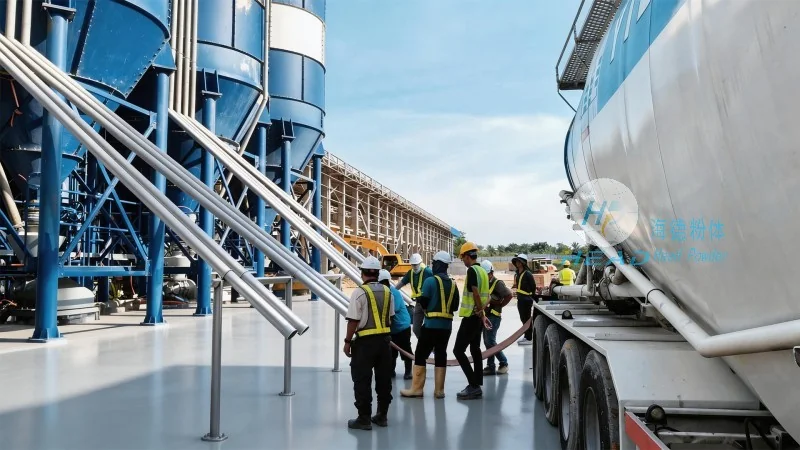
Conclusion and Company Overview
Micronized powder pneumatic conveying systems represent a sophisticated solution for the efficient and safe transport of fine powders in various industrial applications. By leveraging the principles of fluid dynamics and controlled air pressure, these systems offer significant advantages over traditional conveying methods. The key to successful implementation lies in understanding the material properties and selecting the appropriate system configuration. As a leading provider in the field, Shandong HeadPowder Engineering Co., Ltd., based in Shandong, China, specializes in designing and manufacturing customized pneumatic conveying solutions tailored to the specific needs of different industries. With a focus on quality, efficiency, and safety, the company ensures that its systems meet the highest standards, providing reliable and durable equipment for long-term industrial use.