

Principle and Working Scene Characteristics of Slag Pneumatic Conveying Equipment
Slag, a byproduct of industrial processes such as steelmaking and cement production, requires efficient and reliable handling solutions. Pneumatic conveying systems offer a versatile method for transporting slag, combining efficiency with reduced maintenance compared to traditional mechanical systems. This article explores the fundamental principles behind slag pneumatic conveying equipment and highlights key working scene characteristics that make it suitable for various industrial applications.
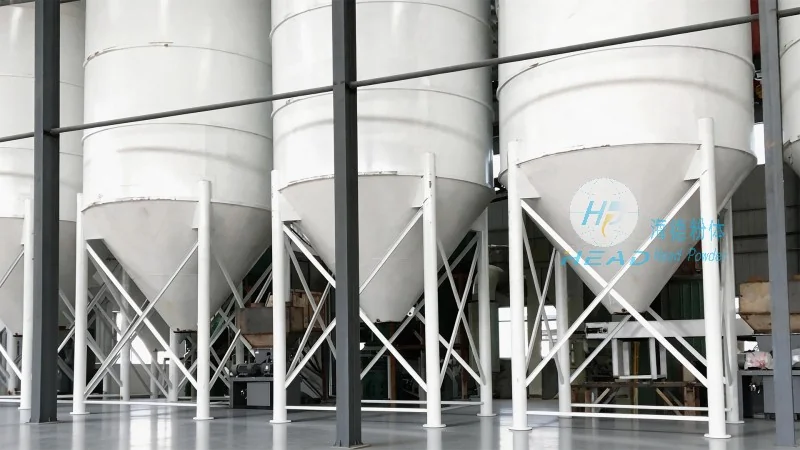
Principle of Pneumatic Conveying for Slag
The core principle of pneumatic conveying involves the use of air or gas to transport solid materials through a pipeline. In the case of slag, this system typically operates under positive pressure, where air is forced through the pipeline to move the material. The equipment includes a hopper for material storage, a blower or compressor to generate the air flow, and a pipeline network that transports the slag from the source to the destination. The design of the system is tailored to handle the specific properties of slag, such as its density, particle size, and moisture content, ensuring optimal performance and minimal wear on components.
Key Components of Slag Pneumatic Conveying Systems
Several critical components work together to ensure the effective operation of a slag pneumatic conveying system. The hopper serves as the initial storage unit, equipped with a feeder that controls the flow of slag into the pipeline. The blower or compressor provides the necessary air pressure to move the material, with options ranging from rotary lobe blowers to positive displacement compressors depending on the system requirements. The pipeline itself is constructed from materials resistant to slag's abrasive and corrosive properties, such as stainless steel or high-grade alloys. Additionally, the system may include cyclones or filters to separate the air from the slag at the destination, allowing for clean air discharge and material collection.
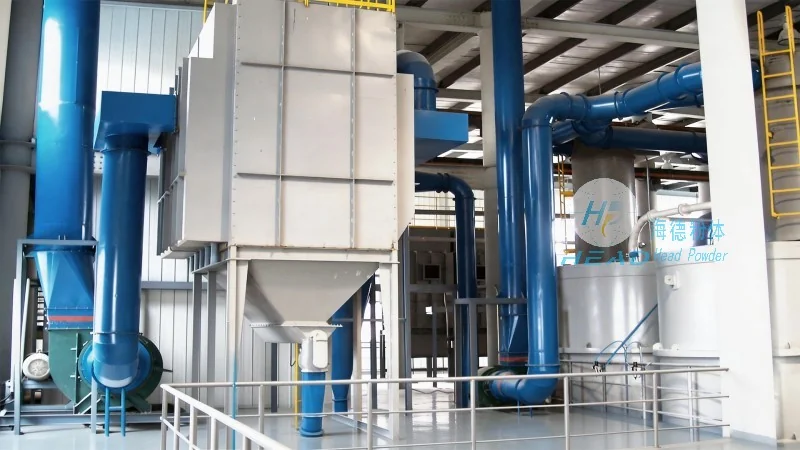
Working Scene Characteristics of Slag Pneumatic Conveying
The suitability of pneumatic conveying for slag handling is influenced by several working scene characteristics. First, the system is ideal for long-distance transport, as it can move materials over several hundred meters without the need for intermediate transfer points. This is particularly advantageous in industrial settings where slag needs to be transported from a processing plant to a disposal or recycling facility. Second, the system operates with minimal space requirements, as the pipeline can be routed through existing structures or underground, making it suitable for confined or urban environments. Third, the process is relatively low-maintenance compared to mechanical conveyors, as there are fewer moving parts and less risk of mechanical failure. This reduces downtime and operational costs for industrial facilities.
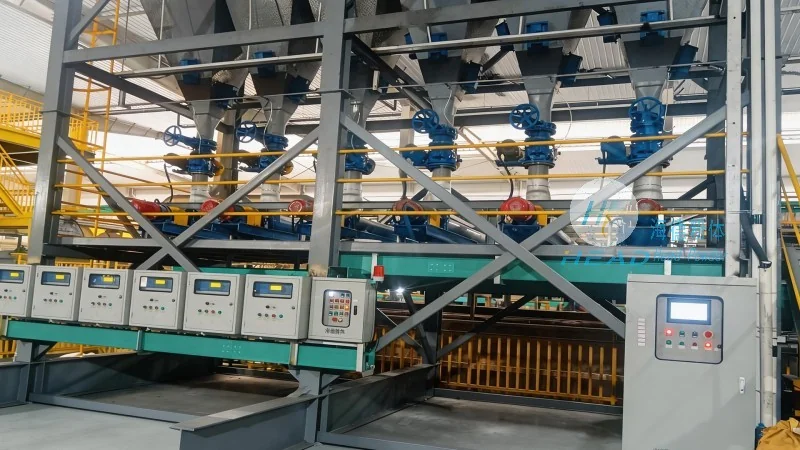
Applications and Industry Use Cases
Slag pneumatic conveying equipment is widely used in various industrial sectors. In the steel industry, it is employed to transport slag from blast furnaces to storage or processing facilities. In the cement industry, it helps move slag as an alternative raw material for cement production. Additionally, in power plants, it can be used to handle fly ash and slag from combustion processes. The versatility of the system allows it to adapt to different slag types and processing requirements, making it a preferred choice for many industrial applications.
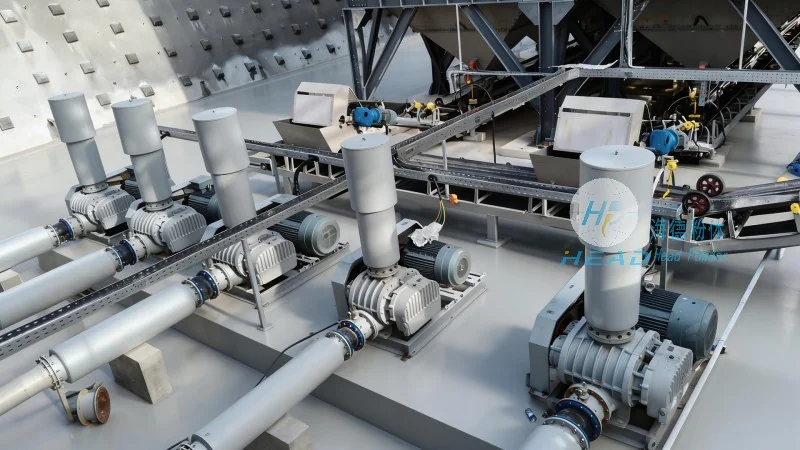
Advantages and Considerations for Slag Pneumatic Conveying
Compared to traditional mechanical conveyors, slag pneumatic conveying offers several advantages. These include reduced material degradation, as the system minimizes contact with mechanical parts, and lower energy consumption for long-distance transport. However, there are also considerations to keep in mind. The system requires careful design to handle the abrasive nature of slag, as excessive wear can lead to increased maintenance costs. Additionally, the air flow rate must be optimized to prevent blockages or excessive pressure drops in the pipeline. Proper filtration and air treatment are also essential to ensure compliance with environmental regulations and maintain air quality.
Conclusion
Slag pneumatic conveying equipment provides an efficient and reliable solution for handling slag in industrial applications. By understanding the fundamental principles and working scene characteristics, industrial facilities can select the appropriate system to meet their specific needs. With proper design and maintenance, these systems offer long-term operational benefits, including reduced downtime, lower maintenance costs, and improved material handling efficiency. As industrial processes continue to evolve, the demand for effective slag handling solutions will remain, making pneumatic conveying a key technology in the industry.