

Principle and Working Scene Characteristics of Grass Powder Pneumatic Conveying Machines
Grass powder, a critical raw material in numerous industrial sectors, demands efficient and reliable handling solutions to ensure consistent processing and product quality. The pneumatic conveying machine for grass powder is a specialized equipment engineered to transport fine grass powder particles through a pressurized or vacuum system. This technology offers substantial advantages over traditional mechanical conveying methods, such as reduced dust generation, lower maintenance costs, and enhanced safety in handling delicate powders. Understanding the fundamental principles and typical working scenarios of these machines is essential for industries that rely on a steady and high-quality supply of grass powder.
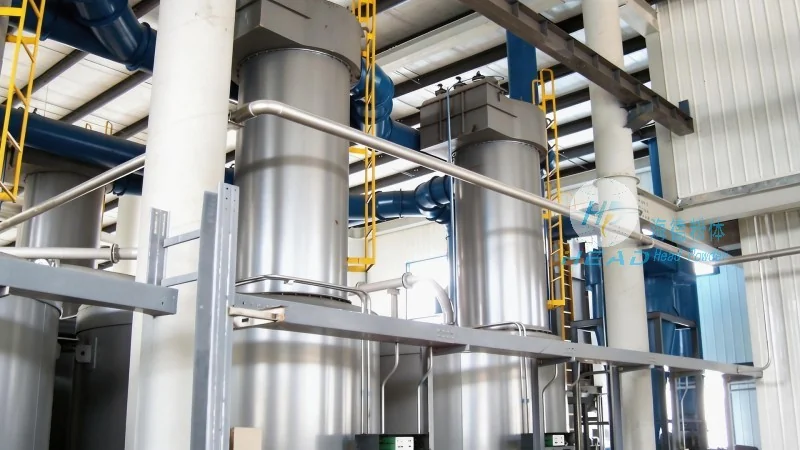
The Fundamental Principle of Pneumatic Conveying
The core principle of grass powder pneumatic conveying revolves around utilizing air as the conveying medium to move dry, fine particles. Unlike mechanical conveyors that rely on physical contact and friction, pneumatic systems employ air pressure or vacuum to transport material through a pipeline. The process typically begins with the material being fed into a hopper or feeder, where it is then introduced into the conveying line. Air is subsequently introduced, either by a blower or a vacuum pump, to create a flow that carries the powder particles along the pipeline. The system design—including the type of air flow (positive pressure or negative pressure), air velocity, and particle size distribution—directly impacts the efficiency and effectiveness of the conveying process. For grass powder, which often has a fine particle size and low bulk density, selecting appropriate air velocity and system configuration is vital to prevent particle segregation, agglomeration, or blockages in the pipeline.
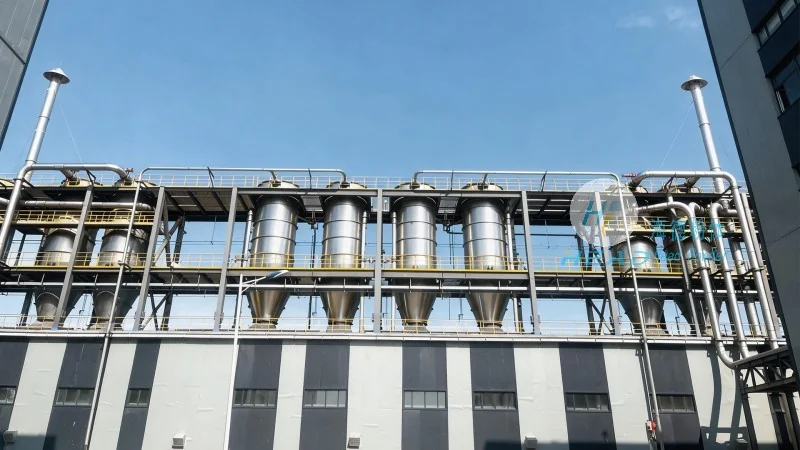
Key Components and Their Functions
Grass powder pneumatic conveying systems comprise several key components that function in unison to ensure smooth operation. The primary components include a feeder or hopper to control material flow, a blower or vacuum pump to generate the necessary air pressure or vacuum, a conveying pipeline to transport material, and a receiver or discharge hopper to collect material at the destination. The feeder is typically designed to handle the specific characteristics of grass powder, such as its fine particle size and potential for static electricity, to ensure consistent feeding without clogging. The blower or vacuum pump provides the driving force for the conveying process, with positive pressure systems using a blower to push air and material through the pipeline, while negative pressure systems use a vacuum pump to pull material into the pipeline. The pipeline is usually constructed from materials resistant to corrosion and wear, such as stainless steel or polyethylene, to withstand the abrasive nature of grass powder particles. The receiver or discharge hopper is designed to collect material and may include features like a dust filter or separator to improve material purity and prevent air leakage.

Working Scene Characteristics: Industrial Applications
The working scene characteristics of grass powder pneumatic conveying machines are closely tied to the specific industrial applications they serve. These systems are commonly utilized in the agricultural and food processing industries, where grass powder is a key ingredient in animal feed, organic fertilizers, or biodegradable products. In the animal feed industry, for example, grass powder is often blended with other feed components to create balanced rations for livestock. The pneumatic conveying system ensures that the grass powder is delivered to the mixing and processing equipment without loss or contamination, maintaining the nutritional quality of the final product. Another application is in the production of organic fertilizers, where grass powder is combined with other organic materials to create nutrient-rich compost. The efficient conveying of grass powder in this process is essential to achieve uniform mixing and consistent product quality. Additionally, in the biodegradable products industry, grass powder is used as a raw material for manufacturing eco-friendly packaging or biodegradable plastics. The pneumatic conveying system facilitates the transport of this fine powder to the extrusion or molding equipment, ensuring a consistent feed rate and preventing material degradation.
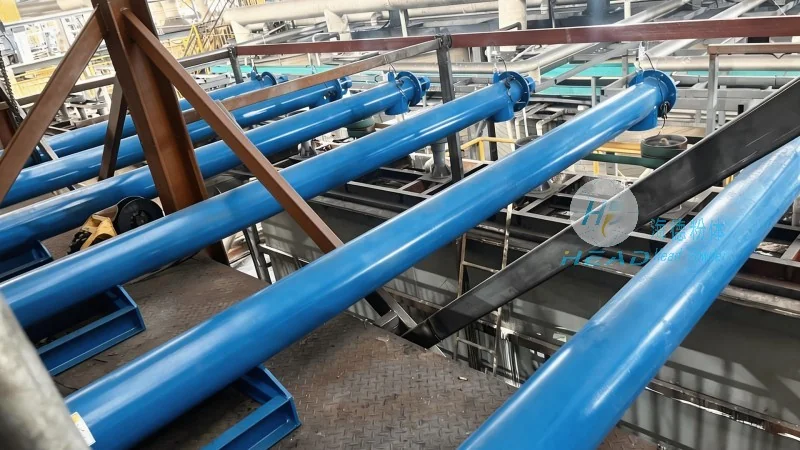
Advantages and Considerations in Practical Use
Implementing grass powder pneumatic conveying systems offers several advantages that make them a preferred choice for many industries. One primary benefit is the reduction in dust generation compared to mechanical conveyors, which helps maintain a cleaner working environment and reduces the risk of respiratory issues for operators. Additionally, pneumatic systems offer greater layout flexibility, as they can be installed in various configurations to accommodate different plant layouts and space constraints. The ability to transport material over long distances without the need for multiple transfer points also simplifies overall system design and reduces maintenance requirements. However, there are considerations to keep in mind when using these systems. For instance, the fine particle size of grass powder can lead to increased air resistance and higher energy consumption compared to conveying larger particles. Proper system design, including the selection of appropriate air velocity and pipeline diameter, is crucial to minimize energy costs while maintaining efficient conveying. Furthermore, the risk of particle segregation or agglomeration must be managed through proper system design and operation, as these issues can lead to blockages or uneven material flow. Regular maintenance of the blower, feeder, and pipeline is also essential to ensure long-term reliability and performance of the system.