

Principle and Working Scene Characteristics of Plastic Pneumatic Conveying Equipment
Plastic pneumatic conveying equipment is a key industrial solution for transporting plastic materials in various forms, such as granules, powders, and pellets. This technology leverages air as the primary medium to move plastic materials from one location to another, offering advantages like non-contact handling, reduced contamination, and efficient material transfer. The fundamental principle of pneumatic conveying involves creating a pressure differential or using vacuum to move the material through a pipeline system. There are two main types of pneumatic conveying: positive pressure and negative pressure systems. Positive pressure systems use compressed air to push the material forward, while negative pressure systems use suction to draw the material into the pipeline. Each type has specific applications depending on the material characteristics, distance, and system requirements.
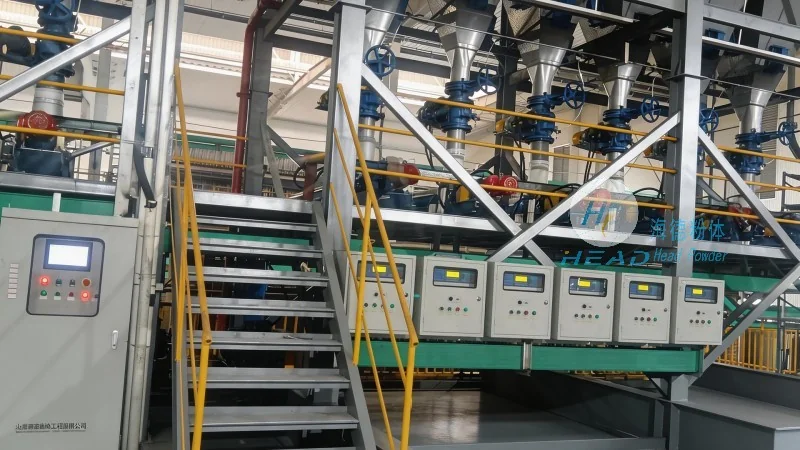
Key Working Principles of Plastic Pneumatic Conveying
The core of plastic pneumatic conveying lies in the interaction between the plastic particles and the air stream. In a positive pressure system, a blower or compressor generates compressed air that is introduced into the material feed point. The air then carries the plastic particles through the pipeline, maintaining a consistent flow rate. The velocity of the air must be sufficient to overcome the gravitational and frictional forces acting on the particles, ensuring they remain suspended and transported efficiently. For negative pressure systems, a vacuum pump creates a low-pressure environment at the discharge end, drawing the material from the source and through the pipeline. The design of the conveying system, including the size of the pipeline, the type of air nozzles, and the velocity of the air, is critical to achieving optimal performance and preventing material degradation or blockages.
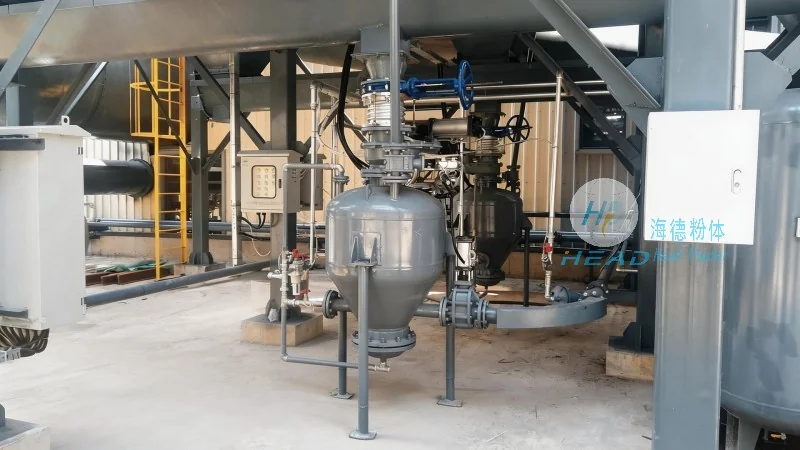
Application Scenarios and Industry Use Cases
Plastic pneumatic conveying is widely used in the plastic manufacturing industry for several reasons. It is particularly suitable for transporting plastic powders, granules, and pellets from storage silos to processing equipment like extruders, mixers, and pelletizers. The non-contact nature of the system minimizes contamination, which is crucial for maintaining the quality of high-purity plastics used in food packaging, medical devices, and automotive components. Additionally, pneumatic conveying systems can handle materials with varying moisture content and particle sizes, making them versatile for different production lines. In industrial settings, these systems are often integrated with other equipment, such as feeders and classifiers, to form a complete material handling solution. The efficiency of plastic pneumatic conveying also reduces labor costs and improves production throughput, as materials can be moved quickly and continuously without manual intervention.
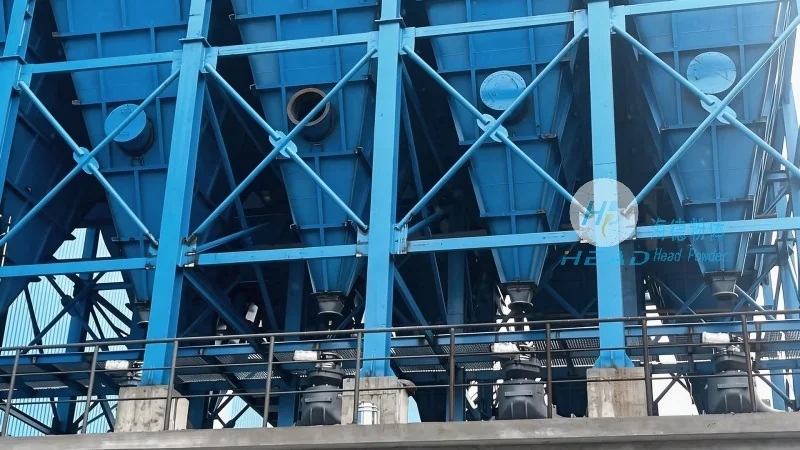
Advantages and Challenges in Plastic Pneumatic Conveying
One of the primary advantages of plastic pneumatic conveying is its ability to handle materials that are difficult to transport using traditional methods, such as screw conveyors or belt conveyors. The system is also compact and can be installed in confined spaces, which is beneficial for modern manufacturing facilities with limited floor space. However, there are challenges associated with this technology. For instance, the high velocity of the air can cause wear and tear on the pipeline and components, requiring regular maintenance and replacement of parts. Additionally, the system may not be suitable for all plastic materials, especially those that are highly abrasive or have a tendency to agglomerate. In such cases, modifications to the system, such as adding air classifiers or using special materials for the pipeline, may be necessary to ensure reliable operation. The cost of installation and maintenance is another factor to consider, as pneumatic conveying systems can be more expensive than traditional conveyor systems, especially for large-scale operations.
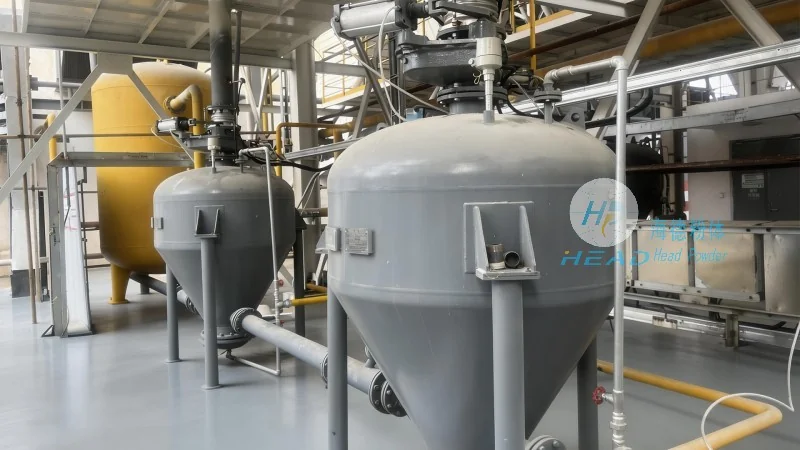
About Shandong HeadPowder Engineering Co., Ltd.
Shandong HeadPowder Engineering Co., Ltd. is a leading manufacturer and supplier of plastic pneumatic conveying equipment in China. With a focus on innovation and quality, the company provides customized solutions tailored to the specific needs of its clients. HeadPowder's products are designed to meet the highest industry standards, ensuring durability, efficiency, and reliability. The company's headquarters is located in Shandong, China, where it has a team of experienced engineers and technicians dedicated to research and development. HeadPowder's commitment to customer satisfaction and technological advancement has made it a trusted partner for many plastic manufacturers worldwide. By leveraging advanced manufacturing techniques and rigorous quality control processes, HeadPowder delivers products that enhance production efficiency and reduce operational costs for its clients.