

Principle and Working Scene Characteristics of Lithium Carbonate Pneumatic Conveying Equipment
Shandong HeadPowder Engineering Co., Ltd., a professional manufacturer based in Shandong, China, specializes in the design, development, and production of advanced pneumatic conveying systems tailored for lithium carbonate applications. Our company, commonly known as HeadPowder, leverages decades of industry expertise to deliver reliable and efficient solutions for material handling in various industrial settings.
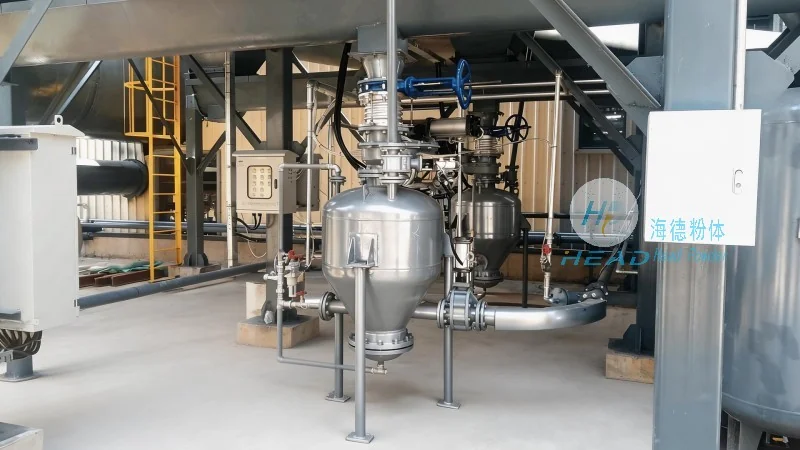
Principle of Lithium Carbonate Pneumatic Conveying Equipment
The core principle of pneumatic conveying for lithium carbonate involves the use of compressed air or other gas to transport solid particles through a pipeline system. This method, known as pneumatic conveying, eliminates the need for mechanical components like belts or buckets, reducing maintenance requirements and enhancing operational safety. The process typically operates under negative pressure (suction) or positive pressure (blowing), depending on the specific application and material characteristics. In negative pressure systems, a vacuum is created at the material inlet to draw the lithium carbonate particles into the pipeline, while positive pressure systems force the material through the system using compressed air. The equipment includes key components such as a hopper, feeder, pipeline, and receiver, all working in tandem to ensure smooth material flow. The design of the conveying system is critical, as it must account for the particle size, density, and flowability of lithium carbonate to optimize performance and minimize material degradation.
Working Scene Characteristics of Lithium Carbonate Pneumatic Conveying Equipment
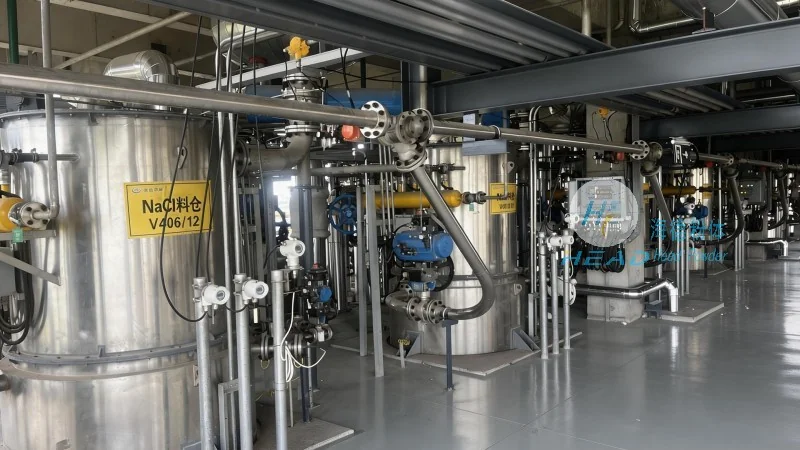
The working scene characteristics of lithium carbonate pneumatic conveying equipment are tailored to meet the demands of modern industrial processes. These systems are commonly employed in mining, chemical, and battery manufacturing industries, where the efficient handling of lithium carbonate is essential for production efficiency. The equipment is designed to operate in environments with varying temperature and humidity conditions, ensuring consistent performance regardless of external factors. Key characteristics include high conveying capacity, low energy consumption, and minimal product contamination, which are crucial for maintaining product quality and reducing operational costs. Additionally, the systems are built with materials that resist corrosion and wear, making them suitable for long-term use in harsh industrial environments. The flexibility of the pneumatic conveying system allows for easy integration into existing production lines, enabling seamless material transfer between different stages of the lithium carbonate processing workflow.
Key Features and Advantages of Lithium Carbonate Pneumatic Conveying Equipment
HeadPowder's lithium carbonate pneumatic conveying equipment offers several distinct advantages that set it apart from traditional material handling methods. The primary benefit is the elimination of mechanical contact with the material, which prevents product contamination and reduces the risk of particle degradation. This is particularly important for lithium carbonate, as it is a critical raw material in battery production and must meet stringent quality standards. Another advantage is the high conveying efficiency, which allows for large volumes of material to be transported over long distances with minimal energy input. The system's modular design enables easy customization to fit specific production requirements, ensuring optimal performance for each application. Furthermore, the equipment is equipped with advanced control systems that monitor pressure, flow rate, and material level, providing real-time feedback and enhancing operational safety. These features collectively contribute to improved productivity, reduced downtime, and lower overall operational costs for industrial users.
Application Scenarios and Operational Considerations
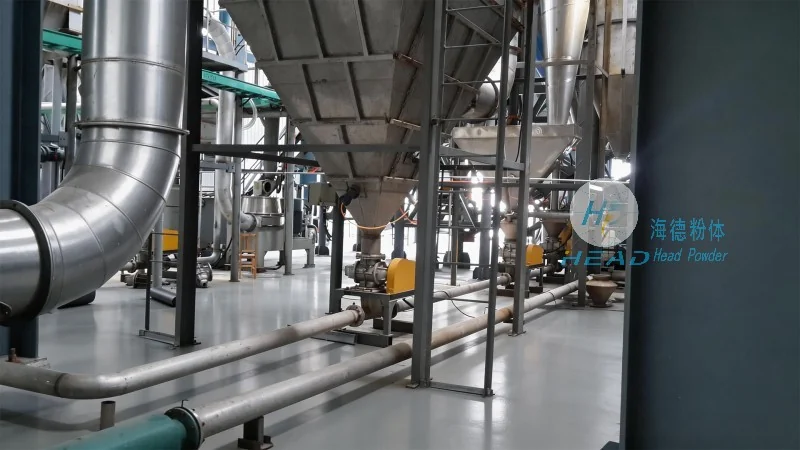
Lithium carbonate pneumatic conveying equipment is widely used in various industrial applications, including the transportation of raw materials from storage silos to processing plants, and the transfer of finished products to packaging lines. In battery manufacturing, for example, the equipment is used to move lithium carbonate from the production line to the battery cell assembly area, ensuring a continuous and efficient supply chain. The operational considerations for these systems include proper maintenance of the pipeline and components to prevent blockages or leaks, regular cleaning to remove dust and debris, and monitoring of air pressure to maintain optimal conveying conditions. Additionally, the system's design must consider the potential for material buildup in the pipeline, which can be mitigated through the use of appropriate pipeline materials and flow control devices. By adhering to these operational guidelines, industrial facilities can maximize the lifespan and efficiency of their pneumatic conveying systems, ensuring consistent performance and product quality.
Conclusion
Shandong HeadPowder Engineering Co., Ltd. provides high-quality lithium carbonate pneumatic conveying equipment that combines advanced technology with robust design to meet the demanding requirements of modern industrial applications. Our systems are engineered to deliver reliable, efficient, and cost-effective material handling solutions, supporting the production of lithium carbonate for battery and other industrial uses. With a focus on customer satisfaction and product excellence, HeadPowder continues to innovate and improve its pneumatic conveying systems, ensuring that clients receive the best possible service and support for their material handling needs.