

Principle and Working Scene Characteristics of Petroleum Coke Pneumatic Conveying Equipment
At Shandong HeadPowder Engineering Co., Ltd., we specialize in providing advanced solutions for the efficient handling and transportation of petroleum coke through pneumatic conveying systems. This article explores the fundamental principles behind these systems and highlights the key characteristics of their operational environments.
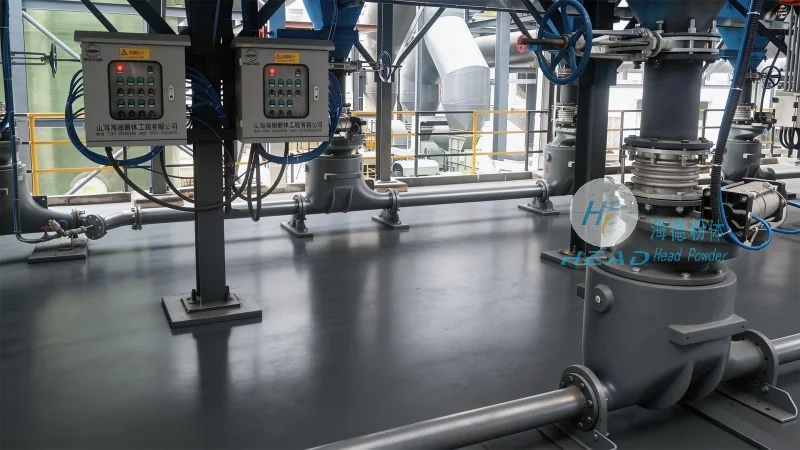
The Working Principle of Pneumatic Conveying Systems for Petroleum Coke
Pneumatic conveying equipment operates by using compressed air or other gases to transport bulk materials like petroleum coke from one location to another. The process typically involves a series of components, including a hopper, a conveyor line, and a receiver. The material is first loaded into the hopper, where it is then drawn into the conveying line by the pressure differential created by the moving air. This method ensures a continuous and controlled flow of the material, minimizing the risk of blockages and ensuring consistent performance.
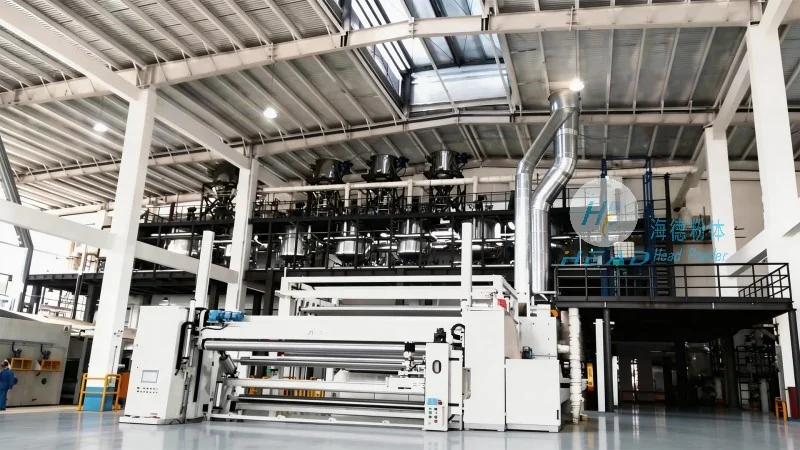
Key Characteristics of Working Scenarios for Petroleum Coke Pneumatic Conveying
The operational environments for petroleum coke pneumatic conveying systems are characterized by several important factors. First, the material's density and particle size can significantly impact the system's efficiency. Larger or denser particles may require higher air velocities or more robust equipment to ensure smooth transport. Second, the system's design must account for the potential for dust generation, as petroleum coke is a fine, powdery material that can create health and safety hazards if not properly contained. Third, the need for scalability is crucial, as industrial applications often require the ability to handle large volumes of material over extended periods. Our equipment is engineered to meet these demands, providing reliable performance in diverse industrial settings.
Applications and Industry Relevance
Petroleum coke pneumatic conveying systems are widely used in various industrial sectors, including petrochemical plants, steel mills, and power generation facilities. The ability to transport petroleum coke efficiently and safely is critical for maintaining production continuity and reducing operational downtime. At HeadPowder, we understand the unique challenges associated with handling this material and have developed specialized equipment that addresses these challenges effectively. Our systems are designed to integrate seamlessly with existing infrastructure, ensuring minimal disruption to current operations while enhancing overall productivity.
Conclusion
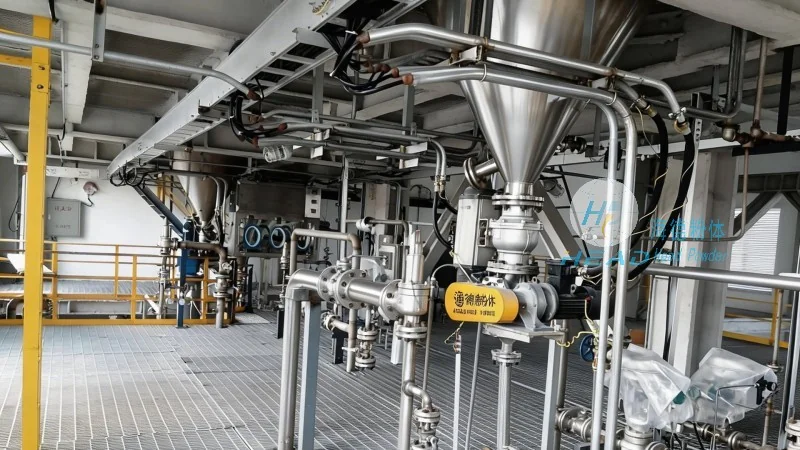
In conclusion, the principles and operational characteristics of petroleum coke pneumatic conveying equipment are essential for optimizing material handling in industrial applications. By leveraging advanced engineering and design, companies like Shandong HeadPowder Engineering Co., Ltd. can provide reliable solutions that meet the specific needs of their clients. Whether for new installations or system upgrades, our expertise in pneumatic conveying technology ensures that clients receive the most efficient and effective equipment for their petroleum coke handling requirements.