

Principle and Working Scene Characteristics of Pneumatic Conveying Systems
HeadPowder, a leading engineering company based in Shandong, China, specializes in the design, manufacturing, and implementation of advanced pneumatic conveying systems. These systems are integral to modern industrial processes, offering efficient and reliable material handling solutions across diverse sectors. This article delves into the fundamental principles of pneumatic conveying, explores its operational characteristics, and highlights the key working scenes where such systems are applied effectively.
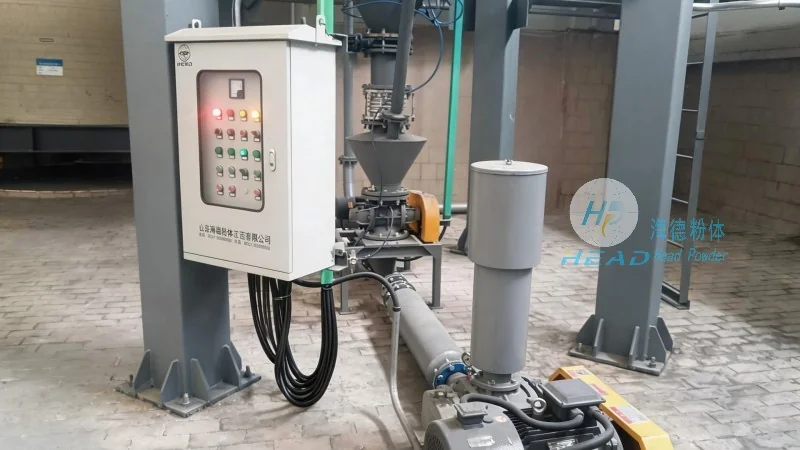
Understanding the Core Principle of Pneumatic Conveying
Pneumatic conveying systems operate on the principle of transporting bulk materials through a pipeline using a stream of air or gas. The process involves creating a pressure differential within the system, which propels the material from the source to the destination. There are primarily two types of pneumatic conveying: pressure and vacuum systems. Pressure systems use compressed air to push material through the pipeline, while vacuum systems employ a vacuum to draw material into the system. The choice between these systems depends on factors such as material properties, distance, and the need for containment and dust control.
Key Working Scene Characteristics of Pneumatic Conveying Systems
The effectiveness of pneumatic conveying systems is heavily influenced by the specific working scenes in which they are deployed. These characteristics include the nature of the material being conveyed, the distance and layout of the conveying path, and the environmental requirements of the application. For instance, in the chemical industry, systems must often handle abrasive or corrosive materials, requiring robust construction and specialized components to ensure durability and safety. In contrast, the food and beverage industry relies on these systems for handling ingredients like flour, sugar, and spices, ensuring minimal product degradation and contamination. In the pharmaceutical sector, systems are employed to convey active pharmaceutical ingredients (APIs) and excipients with high precision, adhering to stringent regulatory requirements for purity and sterility.
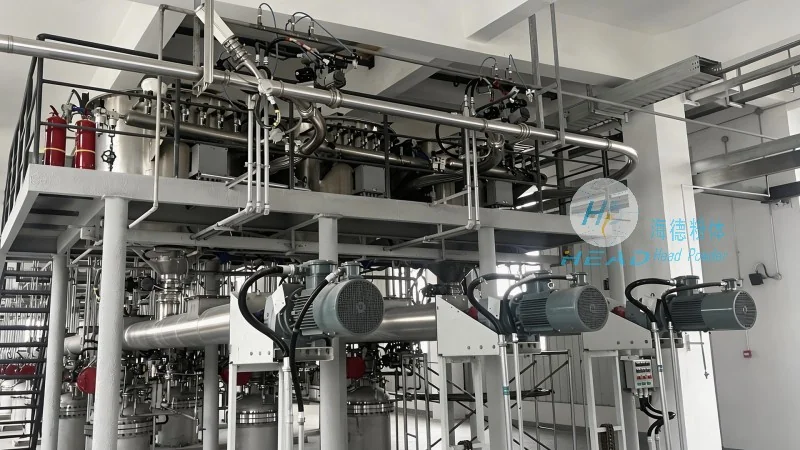
Application Scenarios in Diverse Industries
Pneumatic conveying systems find widespread application across various industries, each presenting unique challenges and opportunities. In the chemical industry, they are used for transporting raw materials, intermediates, and finished products, often integrating with other processing equipment to form a seamless production line. The food and beverage industry relies on these systems for handling ingredients like flour, sugar, and spices, ensuring minimal product degradation and contamination. In the pharmaceutical sector, systems are employed to convey active pharmaceutical ingredients (APIs) and excipients with high precision, adhering to stringent regulatory requirements for purity and sterility. Additionally, in the agricultural and mining industries, pneumatic conveying is utilized for transporting grains, ores, and other bulk materials, optimizing material flow and reducing labor costs.

Advantages and Operational Considerations
One of the primary advantages of pneumatic conveying systems is their ability to handle a wide range of materials, from fine powders to large granules, with minimal maintenance. The systems are also highly flexible, allowing for changes in the conveying path or material type without significant modifications. However, operational considerations such as air pressure requirements, material flow rates, and system efficiency must be carefully managed to ensure optimal performance. HeadPowder's expertise lies in tailoring these systems to meet the specific needs of each client, providing customized solutions that enhance productivity and reduce operational costs.
Conclusion
As a trusted provider of engineering solutions, HeadPowder continues to advance the technology of pneumatic conveying systems, ensuring they remain a cornerstone of efficient material handling in modern industry. By understanding the core principles and working scene characteristics, businesses can leverage these systems to improve their operational efficiency, maintain product quality, and achieve sustainable growth. With a strong presence in Shandong, China, HeadPowder remains committed to delivering high-quality, reliable systems that meet the evolving demands of the industrial landscape.