

Principles and Working Characteristics of Cereal Pneumatic Conveying Systems
HeadPowder, a leading engineering firm based in Shandong, China, specializes in the design, manufacturing, and implementation of advanced pneumatic conveying systems tailored for the cereal industry. This article delves into the fundamental principles of cereal pneumatic conveying systems, exploring their operational mechanics and the diverse working scenarios where they excel in material handling.
Understanding Pneumatic Conveying: Core Principles
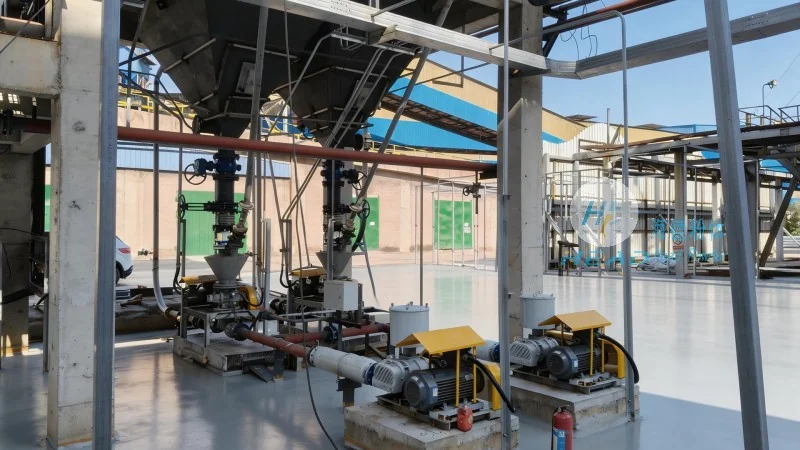
Pneumatic conveying systems utilize air or gas to transport bulk materials like cereals, grains, and powders through a pipeline network. The core principle involves creating a pressure differential between the inlet and outlet of the system, which propels the material forward. There are two primary types of pneumatic conveying: pressure and vacuum systems. Pressure systems operate by injecting high-pressure air into the material, while vacuum systems create a negative pressure to draw material into the pipeline. For cereal handling, pressure systems are often preferred due to their ability to handle abrasive materials and maintain consistent flow rates, ensuring efficient and reliable transport.
Key Components and Their Functions
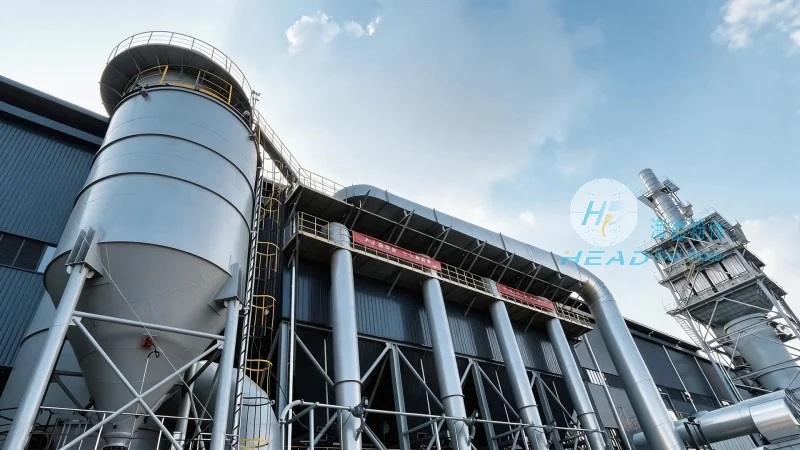
Effective cereal pneumatic conveying relies on several critical components working in tandem. The system typically includes a hopper or silo for material storage, a feeder to control the flow rate, a conveyor line (pipeline) with appropriate diameter and material, a separator to remove air from the material stream, and a discharge point for the processed cereal. The feeder, often a rotary valve or screw feeder, ensures a steady supply of material, preventing blockages and maintaining system efficiency. The pipeline design is crucial; it must be sized to handle the material's density and flow characteristics, with bends and fittings that minimize pressure loss and material degradation. The separator, such as a cyclone or bag filter, removes entrained air, ensuring the delivered cereal is free from dust and moisture, which is vital for maintaining product quality and compliance with industry standards.
Working Scenarios: Where Cereal Pneumatic Conveying Shines
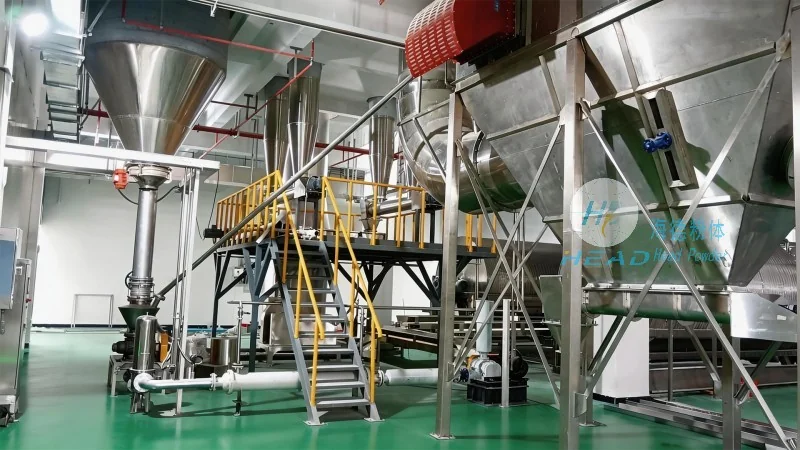
Cereal pneumatic conveying systems are widely applied in various industrial settings, each tailored to specific operational needs. One common scenario is in food processing plants, where cereals are transported from storage silos to production lines for milling, packaging, or blending. The systems allow for clean, dust-free transfer, which is essential for maintaining product quality and adhering to stringent food safety regulations. Another application is in grain storage facilities, where pneumatic conveyors move cereals between silos, elevators, and processing units, optimizing inventory management and reducing manual handling risks. In agricultural settings, these systems are used for on-farm storage and distribution, enabling efficient transport of harvested cereals to processing centers or market outlets. Additionally, in the pet food industry, cereal pneumatic conveyors handle raw ingredients like corn, wheat, and oats, ensuring consistent quality and preventing contamination during transfer, which is critical for producing high-quality pet food products.
Advantages and Considerations for Cereal Handling
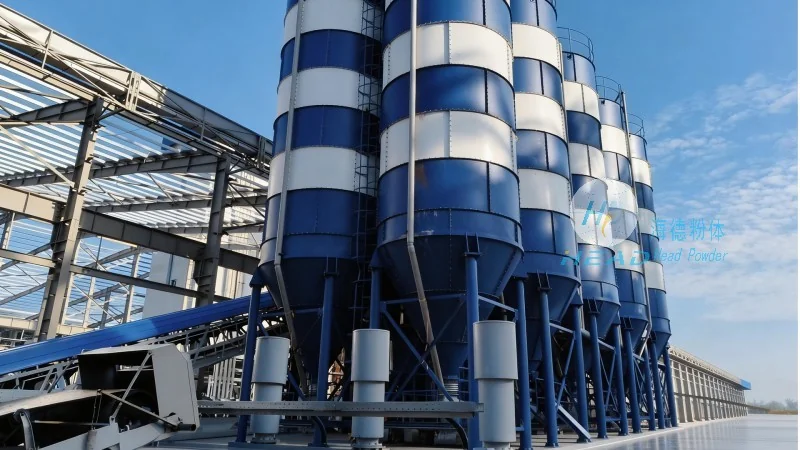
Implementing cereal pneumatic conveying systems offers several advantages over traditional methods like bucket elevators or belt conveyors. The primary benefit is the ability to transfer materials in a closed system, minimizing dust exposure and environmental contamination. This is particularly important for food-grade cereals, where hygiene and product purity are paramount, as it prevents cross-contamination and maintains the nutritional integrity of the product. Additionally, pneumatic systems are more flexible in terms of layout, allowing for vertical, horizontal, or inclined transport without the need for complex structural modifications, which can reduce installation costs and time. They also reduce labor costs by automating material handling and improving operational efficiency, as the system can operate continuously with minimal human intervention. However, there are considerations to keep in mind. The system requires regular maintenance to ensure optimal performance, as components like pipelines and separators can accumulate material buildup over time, which may lead to reduced efficiency or system failure. Energy consumption is another factor, as high-pressure systems demand significant power, and optimizing energy use is essential for cost-effectiveness. Proper system sizing and material selection are critical to avoid issues like pressure loss or material degradation due to abrasion, which can affect the lifespan of the equipment and the quality of the conveyed cereal.