

Principles and Application Scenarios of Wheat Pneumatic Conveying Systems
Shandong HeadPowder Engineering Co., Ltd., a leading enterprise based in Shandong, China, specializes in the design, manufacturing, and implementation of advanced pneumatic conveying systems tailored for the agricultural and food processing industries. This article delves into the fundamental principles of wheat pneumatic conveying systems and highlights the key characteristics of their operational environments, providing a comprehensive overview for professionals seeking to understand or implement such technology.
Understanding the Core Principles of Wheat Pneumatic Conveying Systems
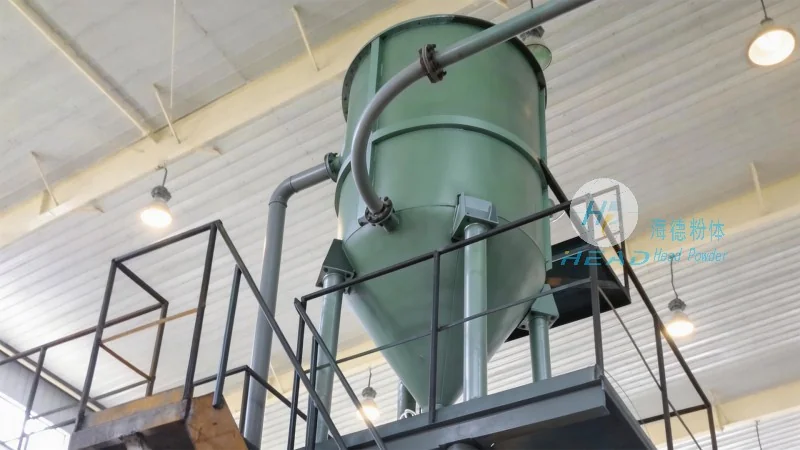
At the heart of wheat pneumatic conveying systems lies the use of air as the primary medium to transport bulk materials, such as wheat, from one location to another. The system operates on the principle of creating a pressure differential between the inlet and outlet points. By generating a vacuum or pressure within the conveying line, the system draws or pushes the wheat particles through the pipeline. This method eliminates the need for mechanical components like belts or buckets, reducing maintenance costs and increasing operational efficiency. The process typically involves a hopper where wheat is stored, a blower or fan that supplies the air, and a pipeline network that transports the material to the destination, such as a storage silo or processing facility.
Key Operational Characteristics and Application Scenarios
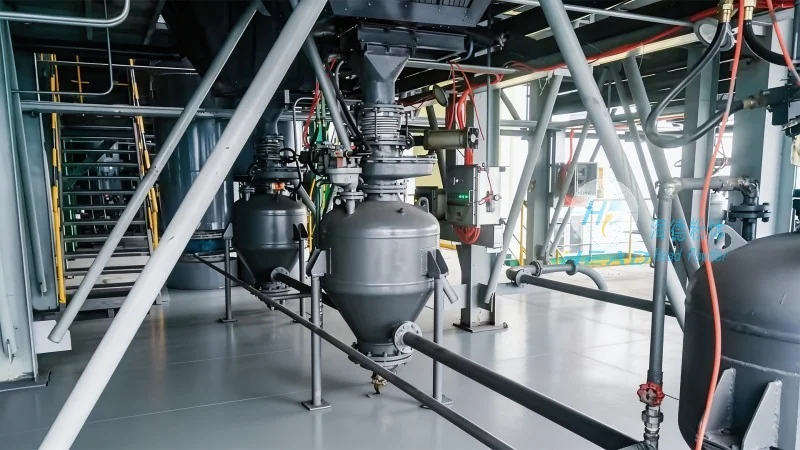
Wheat pneumatic conveying systems are characterized by several distinct operational features that make them suitable for specific environments. One of the most notable aspects is their ability to handle large volumes of material with minimal labor. The systems are designed to operate continuously, ensuring a steady flow of wheat from the source to the destination. This continuous operation is particularly beneficial in industrial settings where consistent supply is critical for production processes. Additionally, these systems are highly adaptable to various environments, including both indoor and outdoor installations. They can be integrated into existing agricultural facilities or constructed as standalone units, depending on the specific needs of the operation.
Advantages in Diverse Work Environments
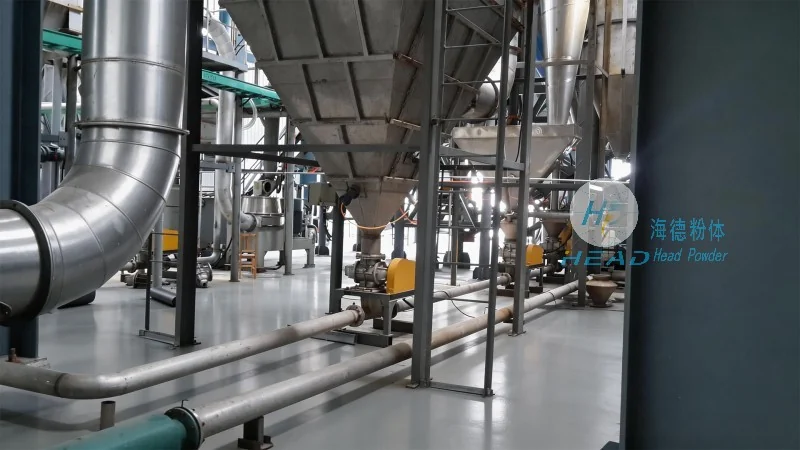
The work environments where wheat pneumatic conveying systems are employed vary widely, from large-scale grain elevators to smaller farm operations. In grain elevators, these systems are used to move wheat from storage bins to processing plants, ensuring a smooth and efficient workflow. For smaller farms, the systems can be scaled down to handle smaller volumes while maintaining the same level of efficiency. The adaptability of the system allows it to operate in both dry and slightly moist conditions, making it suitable for a range of climates. Furthermore, the systems are designed to minimize dust and noise, contributing to a safer and more comfortable working environment for personnel. This is particularly important in industrial settings where worker safety is a top priority.
Integration with Modern Agricultural Practices
As agricultural practices evolve, the integration of advanced technologies like pneumatic conveying systems becomes increasingly important. These systems are often combined with other equipment, such as grain cleaners and sorters, to form a comprehensive processing line. This integration allows for a streamlined workflow, where wheat is cleaned, sorted, and conveyed all in one continuous process. The efficiency of the pneumatic system ensures that the entire process is optimized, reducing downtime and increasing overall productivity. In addition, the systems can be equipped with sensors and control systems that monitor the flow rate and pressure, providing real-time data to operators. This data helps in maintaining optimal performance and identifying any potential issues before they become major problems.
Conclusion and Company Expertise
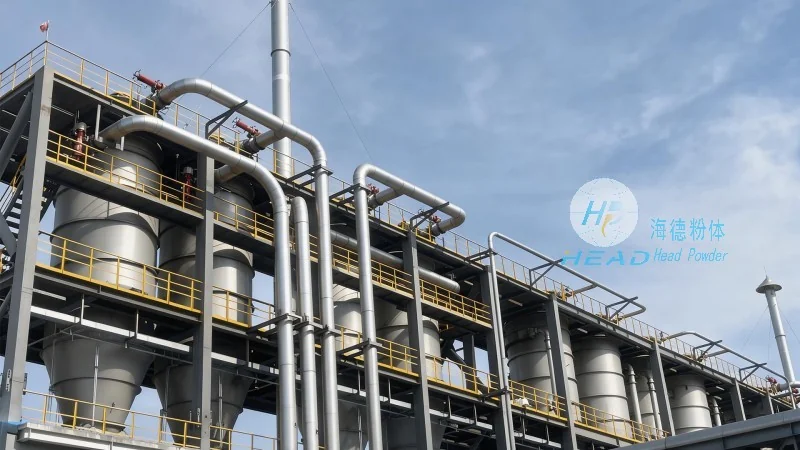
Wheat pneumatic conveying systems represent a sophisticated solution for the efficient handling of bulk materials in agricultural and food processing applications. The principles behind these systems, combined with their adaptability to various work environments, make them a valuable asset for any operation dealing with wheat. Shandong HeadPowder Engineering Co., Ltd. has extensive experience in designing and implementing such systems, ensuring that clients receive tailored solutions that meet their specific needs. With a focus on quality and efficiency, the company continues to be a leader in the field, providing reliable and effective pneumatic conveying solutions for the agricultural industry.