

Principle and Working Scene Characteristics of Colored Sand Pneumatic Conveying Systems
HeadPowder, a leading engineering company based in Shandong, China, specializes in the design, manufacturing, and implementation of advanced pneumatic conveying systems tailored for colored sand applications. This article explores the fundamental principles behind these systems and highlights the key characteristics of their operational environments.
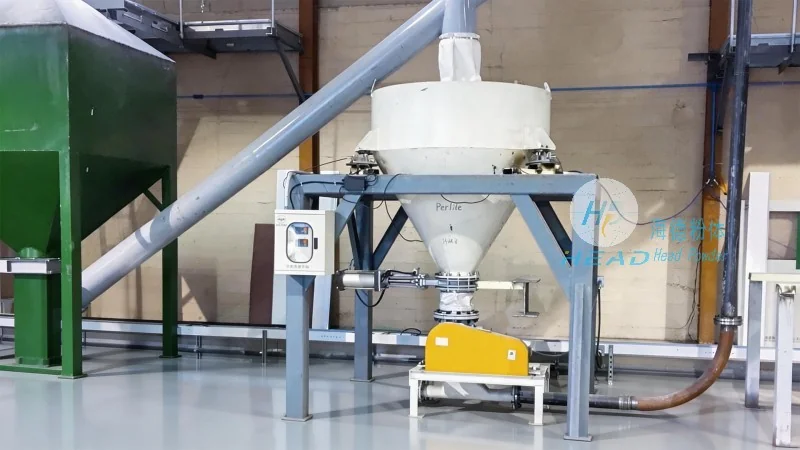
Company Overview and Expertise
Shandong HeadPowder Engineering Co., Ltd., commonly known as HeadPowder, is a reputable enterprise dedicated to providing innovative solutions in material handling and processing. With a strong presence in the Chinese industrial sector, the company has built a solid reputation for delivering high-quality, reliable equipment that meets the demanding requirements of various industries. HeadPowder's expertise lies in the development of customized pneumatic conveying systems, ensuring optimal performance and efficiency for clients dealing with colored sand and similar materials.
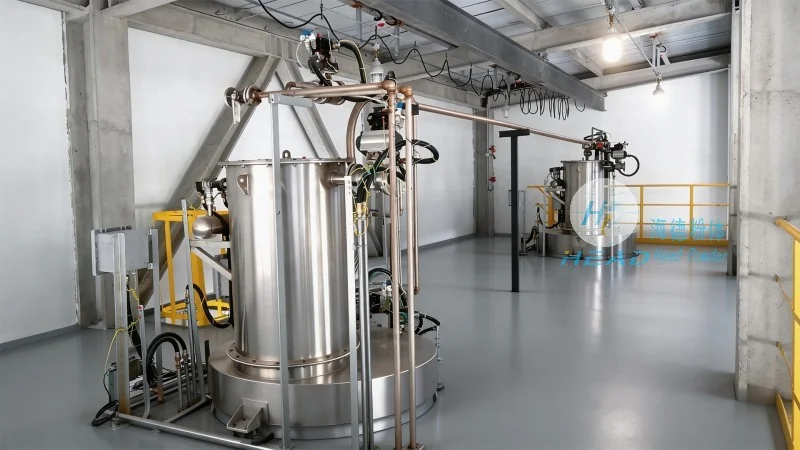
The Principle of Pneumatic Conveying Systems
Pneumatic conveying systems utilize air or gas to transport bulk materials like colored sand from one location to another. The core principle involves creating a pressure differential between the inlet and outlet of the system, which propels the material through a pipeline. There are two main types of pneumatic conveying: pressure and vacuum systems. Pressure systems operate by forcing air into a sealed pipeline, while vacuum systems draw material into the system using a vacuum pump. For colored sand applications, pressure systems are often preferred due to their ability to handle abrasive materials and maintain consistent flow rates. The system typically consists of a hopper, a conveyor line, a control valve, and a receiver. The colored sand is fed into the hopper, and compressed air is introduced to move the material through the pipeline. The control valve regulates the air flow and material discharge, ensuring smooth and controlled operation. The receiver collects the transported sand, ready for further processing or use.
Key Working Scene Characteristics
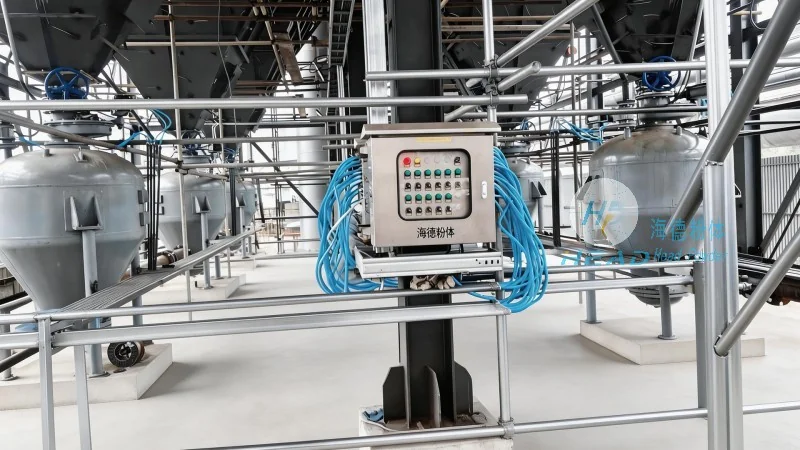
The operational environment of a colored sand pneumatic conveying system is characterized by several critical factors that influence its performance and efficiency. First, the system must be designed to handle the specific properties of colored sand, such as its particle size, density, and abrasiveness. These characteristics affect the system's capacity and the required air pressure. For instance, finer particles may require higher air velocities to prevent clogging, while larger, more abrasive particles need robust pipeline materials to withstand wear and tear. Second, the system's layout and integration with existing facilities are crucial. The conveyor line must be strategically positioned to connect the sand source (e.g., storage silos or production lines) to the destination (e.g., processing plants or storage areas). This requires careful planning to minimize material handling time and energy consumption. Third, the system's control and monitoring capabilities are essential for maintaining optimal performance. Modern pneumatic conveying systems often include advanced control panels that allow operators to adjust air pressure, flow rates, and material feed rates in real-time. This ensures that the system operates efficiently and safely, reducing downtime and maintenance costs. Additionally, the system's ability to handle variations in material feed, such as fluctuations in sand supply or changes in particle size, is vital for consistent operation. Finally, the system's environmental impact and compliance with safety regulations are important considerations. Pneumatic conveying systems are generally considered more environmentally friendly than traditional methods like belt conveyors, as they reduce dust emissions and noise levels. However, proper ventilation and filtration systems are necessary to ensure compliance with local regulations and maintain a safe working environment.
Applications and Advantages
Colored sand pneumatic conveying systems are widely used in various industries, including construction, glass manufacturing, and decorative materials production. In the construction industry, these systems are used to transport colored sand for concrete and mortar production, enabling the creation of aesthetically pleasing and durable structures. In glass manufacturing, colored sand is used to produce colored glass products, and the pneumatic conveying system ensures a consistent supply of high-quality sand to the production line. The advantages of using pneumatic conveying systems for colored sand include improved material handling efficiency, reduced labor costs, and enhanced safety. Unlike traditional methods, pneumatic conveying eliminates the need for manual handling of bulk materials, minimizing the risk of accidents and injuries. Additionally, the system's ability to transport materials over long distances without the need for intermediate storage points reduces the overall footprint of the facility. The consistent flow rate and low maintenance requirements of these systems also contribute to their cost-effectiveness. Overall, the use of pneumatic conveying systems for colored sand offers significant benefits in terms of operational efficiency, safety, and environmental sustainability.