

Principles and Application Scenarios of Ceramic Pneumatic Conveying Systems
HeadPowder, a leading manufacturer based in Shandong, China, specializes in advanced ceramic pneumatic conveying systems. These systems are designed to efficiently transport ceramic powders and granules with precision and reliability. Understanding the principles and application scenarios of such systems is crucial for industries that rely on the consistent handling of ceramic materials.
Principles of Pneumatic Conveying for Ceramics
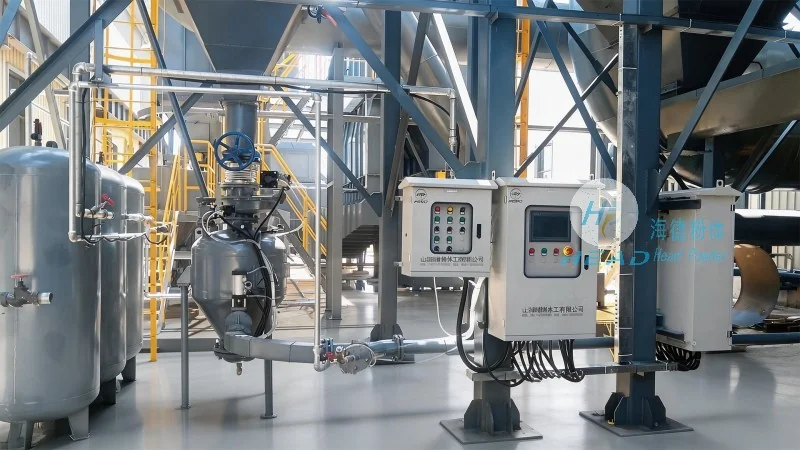
The core principle of ceramic pneumatic conveying involves using air pressure to move particulate materials through a pipeline. This method, known as pneumatic conveying, eliminates the need for mechanical components like belts or buckets, reducing maintenance and operational costs. The system typically consists of a hopper for material storage, a blower or compressor to generate airflow, and a pipeline network that transports the ceramic particles to the destination. The design of the conveying system is tailored to the specific characteristics of the ceramic material, such as particle size, density, and moisture content, ensuring optimal performance.
Key Components and Their Functions
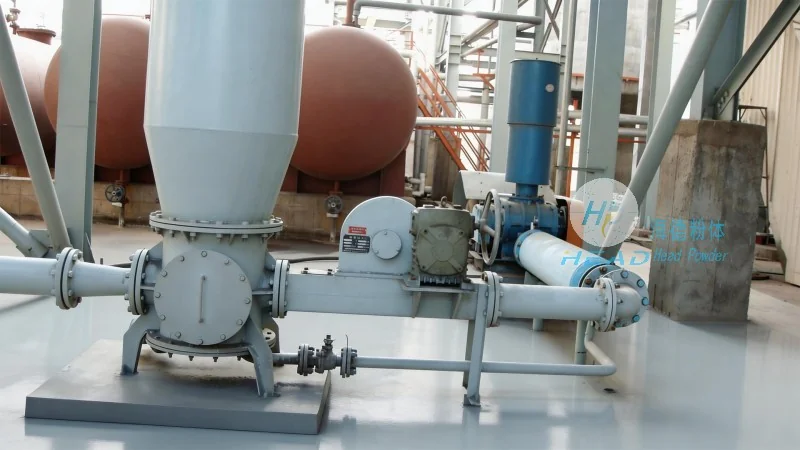
Several critical components work together to ensure the smooth operation of a ceramic pneumatic conveying system. The hopper serves as the material reservoir, providing a controlled feed to the system. The feeder, often a rotary valve or a screw feeder, regulates the flow of ceramic particles into the pipeline. The blower or compressor generates the necessary air pressure, which propels the particles through the system. The pipeline itself is made of materials resistant to the abrasive nature of ceramic particles, such as stainless steel or specialized plastics, to prevent wear and corrosion. Additionally, the system may include filters and cyclones to separate the air from the ceramic particles, ensuring clean air discharge and preventing material loss.
Application Scenarios and Industry Use Cases
Ceramic pneumatic conveying systems are widely used in various industrial applications due to their versatility and efficiency. In the ceramics manufacturing industry, these systems are employed for transporting raw materials like clay, feldspar, and silica to production lines. They are also used in the processing of finished ceramic products, such as tiles, sanitaryware, and porcelain, where precise material handling is essential. Beyond ceramics, these systems find applications in the pharmaceutical, food, and chemical industries, where handling fine powders requires a dust-free and controlled environment. The ability to convey materials over long distances without the need for intermediate storage or manual handling makes pneumatic systems ideal for large-scale operations.
Advantages of Ceramic Pneumatic Conveying Systems
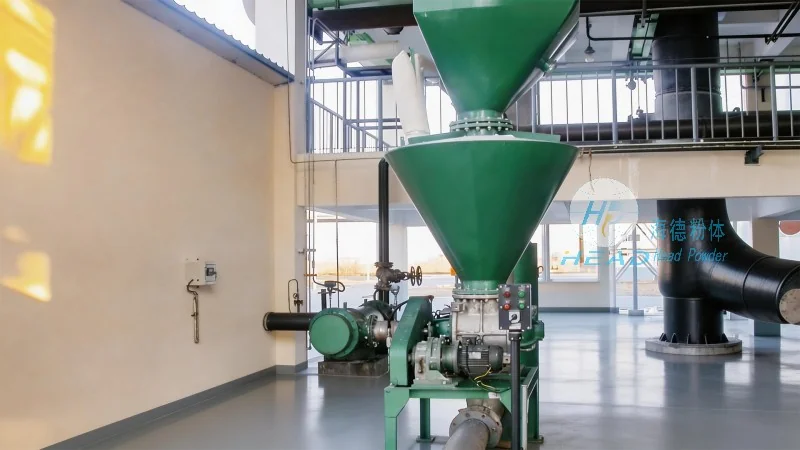
Compared to traditional mechanical conveying methods, ceramic pneumatic conveying systems offer several advantages. Firstly, they provide a dust-free and enclosed environment, which is critical for maintaining product quality and worker safety. The absence of mechanical parts reduces the risk of material contamination and wear, leading to longer system lifespans. Secondly, these systems are highly flexible, allowing for easy integration into existing production lines and modifications to accommodate changing material requirements. Thirdly, the energy efficiency of pneumatic conveying, especially with optimized system designs, results in lower operational costs over time. Finally, the ability to handle a wide range of particle sizes and densities makes these systems suitable for diverse applications, from fine powders to larger granules.
Customization and System Design Considerations
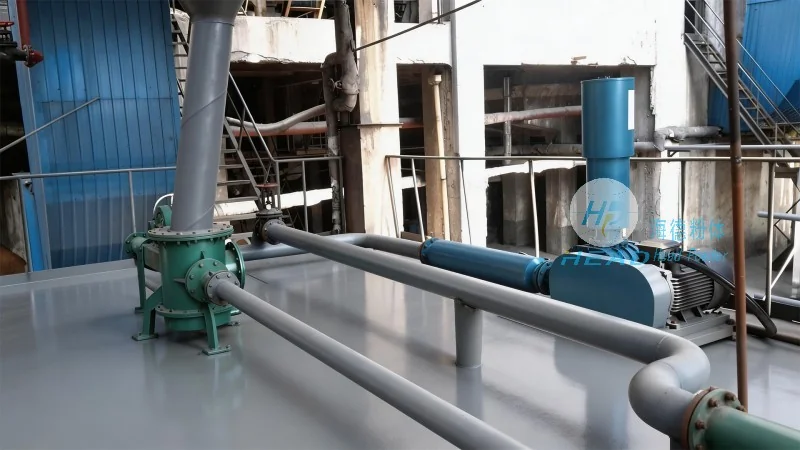
HeadPowder understands that each industrial application has unique requirements. Therefore, their ceramic pneumatic conveying systems are customizable to meet specific needs. The design process involves thorough analysis of the material properties, conveying distance, and operational conditions to determine the optimal system configuration. Factors such as air pressure, pipeline diameter, and material flow rate are carefully calculated to ensure efficient and reliable operation. The company’s engineers work closely with clients to develop tailored solutions that maximize performance while minimizing costs. This customization approach ensures that the final system not only meets but exceeds the expectations of the end-user.
Conclusion and Company Overview
HeadPowder Engineering Co., Ltd., based in Shandong, China, is a trusted provider of high-quality ceramic pneumatic conveying systems. With a focus on innovation and customer satisfaction, the company delivers solutions that enhance operational efficiency and product quality. By leveraging advanced technology and expertise, HeadPowder continues to set industry standards in the design and manufacturing of pneumatic conveying systems for ceramic materials. Their commitment to excellence ensures that clients receive reliable, durable, and efficient systems that meet the demands of modern industrial applications.