

Principle and Working Scene Characteristics of Titanium Dioxide Pneumatic Conveying Systems
Titanium dioxide, a high-value white pigment essential for industries like coatings, plastics, and paper, demands efficient material handling solutions for its transportation. Pneumatic conveying systems have become the preferred method due to their ability to transport fine powders in a closed, dust-free environment, preserving product quality and ensuring workplace safety. This article delves into the fundamental principles of titanium dioxide pneumatic conveying systems and outlines key working scene characteristics that define their application in industrial settings.
Company Overview: Shandong HeadPowder Engineering Co., Ltd.
Headpowder, a leading engineering firm headquartered in Shandong, China, specializes in the design, manufacturing, and installation of advanced material handling solutions. With a strong commitment to precision and efficiency, Headpowder has established itself as a trusted partner for industries requiring high-performance pneumatic conveying systems. The company's expertise in titanium dioxide handling ensures that their systems are tailored to meet the unique demands of this critical white pigment, providing reliable and cost-effective solutions for clients globally.
Principle of Pneumatic Conveying for Titanium Dioxide
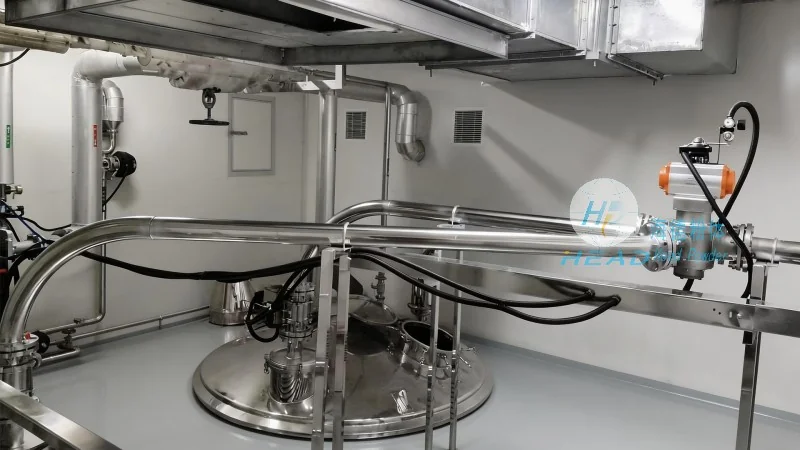
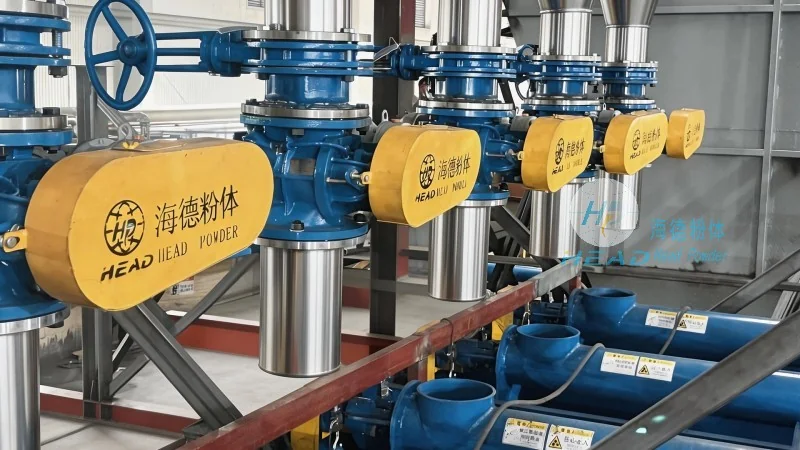
The core principle of pneumatic conveying involves using air or gas to transport bulk materials through a pipeline system. For titanium dioxide, which is typically a fine powder (particle size ranging from 0.2 to 2 microns), the system operates by creating a flow of air that draws the powder particles into the pipeline. This process can be categorized into two main types: suction (or vacuum) conveying and pressure conveying. Suction conveying uses a vacuum to draw material from a hopper into the pipeline, while pressure conveying uses compressed air to push material through the system. The choice between the two depends on factors such as material properties, distance, and system complexity. The system typically includes several key components: a hopper for material storage, a feeder to control the flow rate, a pipeline to transport the material, and a receiver to collect the material at the destination. The hopper is designed to prevent bridging and caking, which are common issues with fine powders like titanium dioxide. The feeder, often a rotary valve or screw feeder, ensures a consistent flow of material into the pipeline. The pipeline itself is made of materials resistant to corrosion and abrasion, such as stainless steel or plastic, to withstand the abrasive nature of the powder. The receiver is equipped with a dust filter to capture any particles that may escape, maintaining a clean environment. The air flow is managed by a blower or compressor, which provides the necessary pressure or vacuum to move the powder through the system. This closed-loop operation minimizes dust emissions and prevents contamination, a critical factor for titanium dioxide handling due to its fine particle size and potential health hazards.
Working Scene Characteristics of Titanium Dioxide Pneumatic Conveying Systems
The working scene characteristics of titanium dioxide pneumatic conveying systems are shaped by several key factors that influence their effectiveness and suitability for different industrial applications. Firstly, the system's ability to handle fine powders without clogging is paramount. Titanium dioxide's low bulk density and tendency to agglomerate make it prone to blockages in traditional hoppers and pipelines. Pneumatic conveying systems address this by using air to break up agglomerates and maintain a consistent flow, ensuring reliable material transfer. Secondly, the system's adaptability to varying production demands is crucial. Industrial processes often experience fluctuations in material throughput, and the pneumatic conveying system's adjustable feeder and variable air flow control allow it to adapt to these changes, maintaining optimal performance. Thirdly, energy efficiency is a significant consideration. Modern systems use energy-efficient blowers and optimized pipeline designs to minimize power consumption while maximizing material throughput. This not only reduces operational costs but also aligns with sustainability goals. Additionally, the system's maintenance requirements are an important factor. Regular cleaning and component replacement are necessary to prevent dust buildup and ensure long-term operation. The working scene also includes safety considerations, as titanium dioxide dust can be hazardous if inhaled. Pneumatic conveying systems provide a sealed environment, reducing exposure risks and complying with occupational health and safety regulations. Finally, the system's integration with existing production lines is essential. The ability to connect the conveying system to downstream processes, such as mixing or extrusion, without disrupting operations is vital for maintaining production continuity. These working scene characteristics make pneumatic conveying systems a preferred choice for industries relying on titanium dioxide.
Applications and Benefits in Industrial Settings
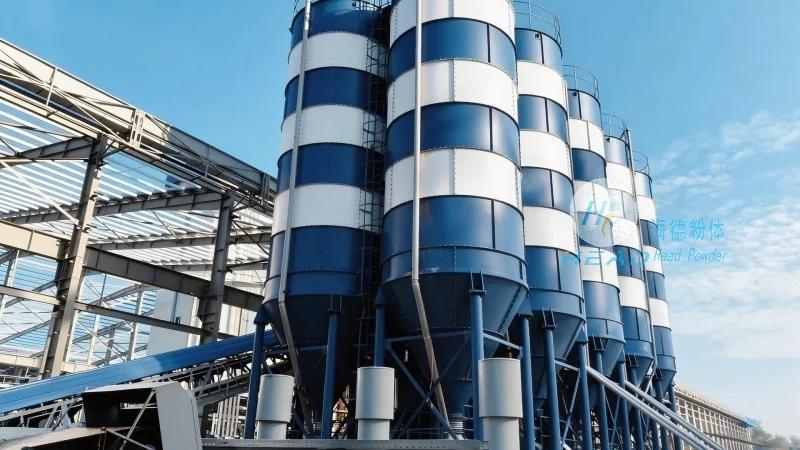
Titanium dioxide pneumatic conveying systems are widely utilized in various industrial settings, including chemical plants, coating manufacturers, and plastic processing facilities. In chemical plants, the system is used to transport titanium dioxide from bulk storage silos to processing units, ensuring a continuous supply of raw material. The closed system minimizes contamination and dust exposure, which is critical for maintaining product purity and meeting regulatory standards. In coating manufacturers, the system is employed to convey titanium dioxide from storage to mixing equipment, where it is incorporated into paint formulations. The precise control of flow rate and pressure allows for consistent pigment addition, resulting in uniform coating quality and reduced batch-to-batch variability. In plastic processing facilities, the system is used to transport titanium dioxide to extrusion lines, where it is blended with other polymers to create colored plastics. The system's ability to handle fine powders without clogging ensures smooth production and high-quality end products, such as automotive parts or packaging materials. The benefits of using pneumatic conveying systems for titanium dioxide extend beyond efficiency and safety. They also contribute to improved product quality by maintaining the purity of the material and reducing the risk of contamination. Additionally, the system's flexibility allows for easy integration with existing production lines, reducing the need for major modifications and lowering installation costs. Overall, the working scene characteristics and applications of titanium dioxide pneumatic conveying systems make them a valuable asset for industries that rely on this critical white pigment, enhancing operational efficiency and ensuring product excellence.