

Working Principle and Features of Air-Solid Pneumatic Conveying System for Wet Ammonium Nitrate Mate
HeadPowder, a leading engineering company based in Shandong, China, specializes in the design and implementation of advanced air-solid pneumatic conveying systems tailored for handling wet ammonium nitrate materials. This technology offers an efficient and reliable method for transporting bulk materials in industrial settings, particularly where traditional mechanical conveying methods may face challenges due to material properties like moisture content and particle size.
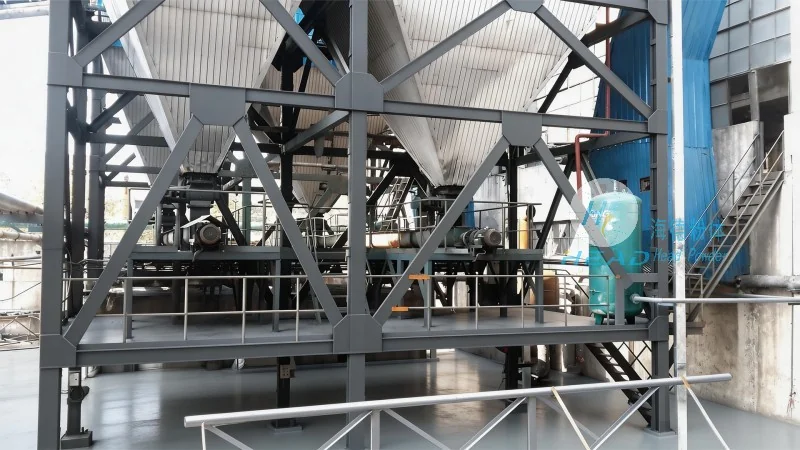
Working Principle of the Air-Solid Pneumatic Conveying System
The core mechanism of the air-solid pneumatic conveying system for wet ammonium nitrate involves the use of compressed air to create a flow that transports the material through a pipeline. In this system, a blower or compressor generates a high-pressure air stream, which is then introduced into the conveying line. The wet ammonium nitrate, typically in a granular or powdered form, is introduced into the pipeline either by gravity feed or via a feeder device. As the air flows through the line, it lifts and propels the material particles forward. The velocity of the air is critical; it must be sufficient to overcome the gravitational forces acting on the particles while maintaining a stable flow without causing excessive wear or degradation of the material.
Key components of this system include the air supply unit (blower or compressor), the conveying pipeline, a feeder (such as a rotary valve or screw feeder), and a receiver or discharge unit. The air supply unit ensures a consistent pressure and flow rate, which is essential for maintaining the material's transport. The pipeline is typically made of materials resistant to corrosion and abrasion, such as stainless steel or special alloys, to withstand the chemical and physical stresses of wet ammonium nitrate. The feeder controls the rate at which the material is introduced into the system, ensuring a steady flow that matches the air velocity. The receiver collects the material at the end of the pipeline, allowing for safe and controlled discharge.

Key Features and Advantages of the System
One of the primary advantages of the air-solid pneumatic conveying system for wet ammonium nitrate is its ability to handle materials with high moisture content without the need for pre-drying or additional processing steps. This is particularly beneficial in industries where moisture retention is critical, such as in fertilizer production or chemical processing. The system also offers a high degree of flexibility in terms of layout, as the pipeline can be configured in various configurations (e.g., straight, curved, or vertical) to suit the specific site requirements, minimizing the need for complex infrastructure modifications.
Another significant feature is the system's efficiency in terms of energy consumption and operational costs. By using compressed air as the primary transport medium, the system reduces the need for mechanical components like conveyors or elevators, which can be prone to maintenance and wear. This results in lower long-term operational expenses and increased reliability. Additionally, the system provides a hygienic and dust-free environment, which is crucial for applications where material contamination or dust exposure must be minimized, such as in food or pharmaceutical industries (though ammonium nitrate is primarily used in industrial settings).
The system also offers improved safety compared to traditional methods. Since the material is transported in a closed pipeline, there is minimal risk of dust dispersion or exposure to workers. This reduces the potential for respiratory issues or other health hazards associated with handling dry powders. Furthermore, the system can be equipped with safety features like pressure relief valves and emergency shut-off mechanisms to prevent accidents and ensure compliance with industrial safety standards.
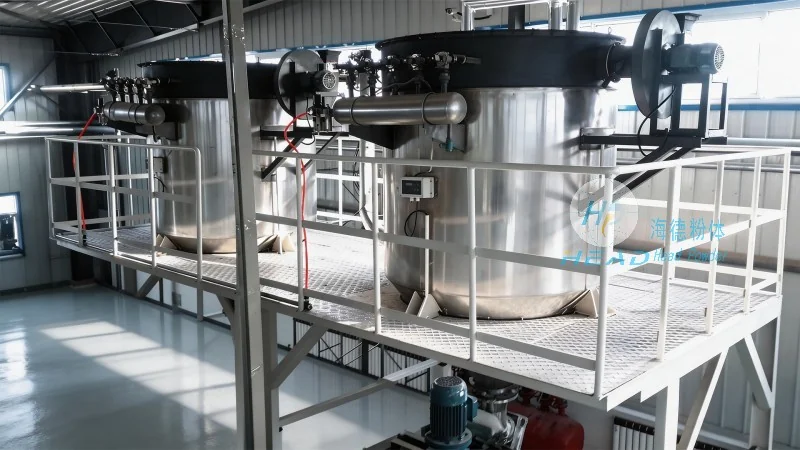
Application and Customization Options
HeadPowder's air-solid pneumatic conveying systems are designed to be adaptable to a wide range of applications, from small-scale laboratory operations to large-scale industrial production lines. The company's engineering expertise allows for the customization of the system to meet specific operational requirements, including varying material flow rates, pipeline lengths, and environmental conditions. For example, in fertilizer manufacturing, the system can be integrated with existing production lines to transport wet ammonium nitrate from storage to processing units, ensuring a seamless and efficient workflow.
Customization options may include adjustments to the air pressure and flow rate, the selection of different pipeline materials based on the material's chemical properties, and the addition of specialized components such as filters or cyclones to separate any entrained air or fine particles from the conveyed material. These features ensure that the system operates optimally and maintains the quality of the wet ammonium nitrate throughout the conveying process.