

Working Principle and Features of PVA-Formaldehyde Material Pneumatic Conveying System
For industrial applications involving the transport of polyvinyl alcohol (PVA) and formaldehyde-derived materials, efficient and reliable material handling solutions are crucial. This article explores the working principle and key characteristics of a pneumatic conveying system designed specifically for PVA-formaldehyde materials, highlighting how such systems enhance operational efficiency and material integrity in processing environments.
Working Principle of the PVA-Formaldehyde Material Pneumatic Conveying System
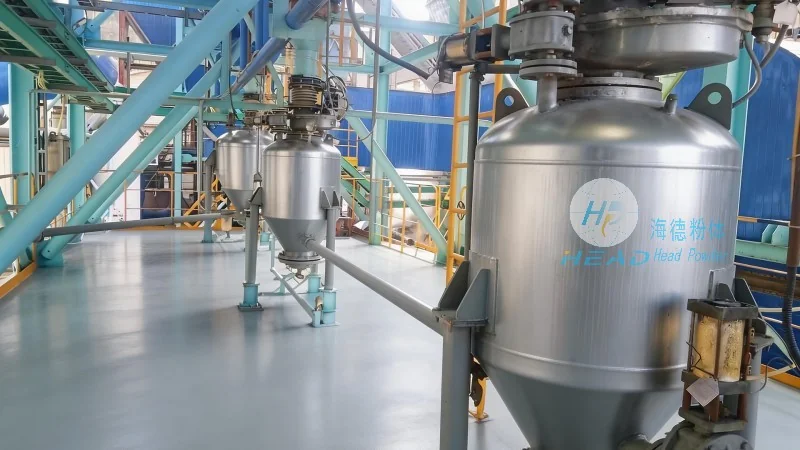
The pneumatic conveying system for PVA-formaldehyde materials operates on the principle of using air or gas as the conveying medium to transport bulk materials through a pipeline network. The system typically consists of several core components, including a material feeder, a conveying pipeline, a control system, and a dust collection or separation unit. When the system is activated, the material feeder introduces the PVA-formaldehyde powder or granules into the pipeline. Simultaneously, a controlled airflow is generated, which creates a pressure differential that propels the material forward through the pipeline. The velocity of the air and the design of the pipeline (such as the use of bends, expansions, or special fittings) are critical factors in maintaining the material's flow and preventing blockages or degradation. The system may employ either positive pressure (where air is blown into the pipeline) or negative pressure (where air is drawn out), depending on the specific material properties and process requirements. In the case of PVA-formaldehyde, which can be hygroscopic and sensitive to moisture, the system is often equipped with moisture control measures to ensure the material remains in optimal condition during transport.

Key Features of the PVA-Formaldehyde Material Pneumatic Conveying System
Several distinct features make the PVA-formaldehyde material pneumatic conveying system an effective solution for industrial applications. First, the system offers a high degree of flexibility in material handling, allowing for the transport of various PVA-formaldehyde formulations, including powders, granules, or even wet mixtures, depending on the processing needs. The modular design of the system enables easy integration with existing production lines, reducing installation time and costs. Additionally, the system provides excellent material containment, minimizing dust emissions and ensuring compliance with environmental regulations. This is particularly important for PVA-formaldehyde materials, which can be fine and potentially hazardous if not handled properly. The control system integrated into the equipment allows for precise regulation of airflow and material feed rates, ensuring consistent and reliable transport. Another notable feature is the system's ability to handle materials with varying flow properties, thanks to adjustable air velocities and pipeline configurations. This adaptability is essential for maintaining the quality of PVA-formaldehyde products, which are sensitive to changes in particle size and moisture content. Furthermore, the system is designed for low maintenance, with components that are easy to access and replace, reducing downtime and operational costs over the long term.
Application Scenarios and Benefits
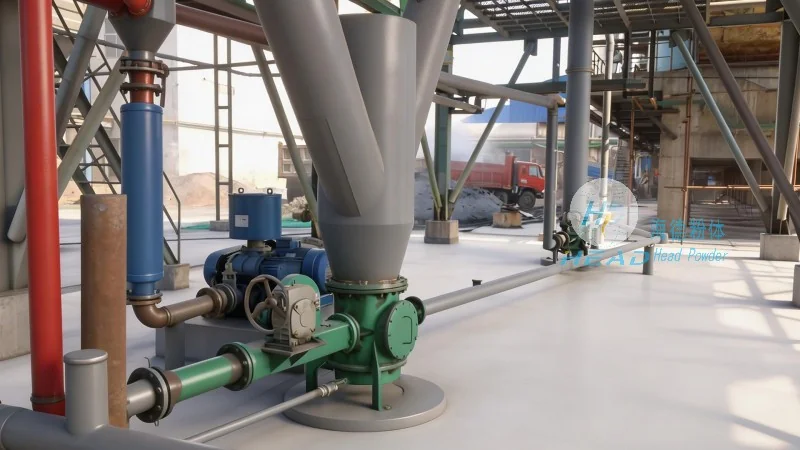
The PVA-formaldehyde material pneumatic conveying system is widely used in industries such as chemical manufacturing, pharmaceuticals, and food processing, where the handling of fine powders and sensitive materials is required. In chemical manufacturing, the system is employed to transport PVA-formaldehyde intermediates between reactors and storage tanks, ensuring a smooth and efficient workflow. In pharmaceutical applications, the system helps maintain the purity and sterility of PVA-formaldehyde products, which are used in drug formulations or medical devices. The benefits of using this system include improved safety by reducing manual handling of hazardous materials, enhanced product quality through consistent transport conditions, and increased operational efficiency by minimizing material loss and downtime. The system's ability to handle large volumes of material in a continuous manner also contributes to higher productivity in production lines.
About Shandong HeadPowder Engineering Co., Ltd.
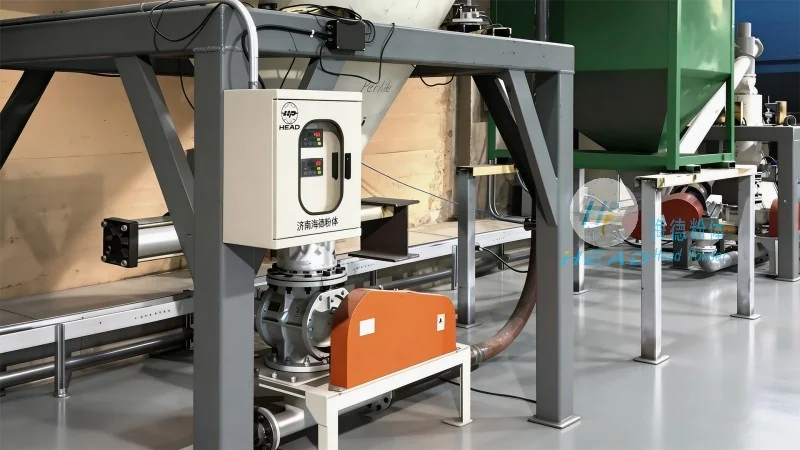
Shandong HeadPowder Engineering Co., Ltd., commonly known as HeadPowder, is a leading manufacturer and supplier of specialized material handling equipment, including pneumatic conveying systems for various industrial applications. With a focus on innovation and quality, HeadPowder has developed advanced solutions tailored to the unique needs of industries dealing with fine powders and sensitive materials. The company's expertise in material science and engineering allows it to design systems that optimize performance, reliability, and cost-effectiveness. HeadPowder's commitment to customer satisfaction is reflected in its comprehensive after-sales support, including technical assistance, maintenance services, and customized solutions to meet specific operational requirements. Based in Shandong, China, HeadPowder leverages its local resources and industry knowledge to deliver high-quality products that meet international standards and customer expectations.