

Working Principle and Features of Mobile Material Pneumatic Conveying Equipment
Mobile material pneumatic conveying equipment is a crucial piece of industrial machinery designed to transport bulk materials efficiently over short to medium distances. This equipment utilizes air pressure or vacuum to move materials from a source to a destination, offering a flexible and often more cost-effective alternative to traditional methods like belt conveyors or bucket elevators. The technology behind these systems is both innovative and practical, making them suitable for a wide range of applications in various industries.
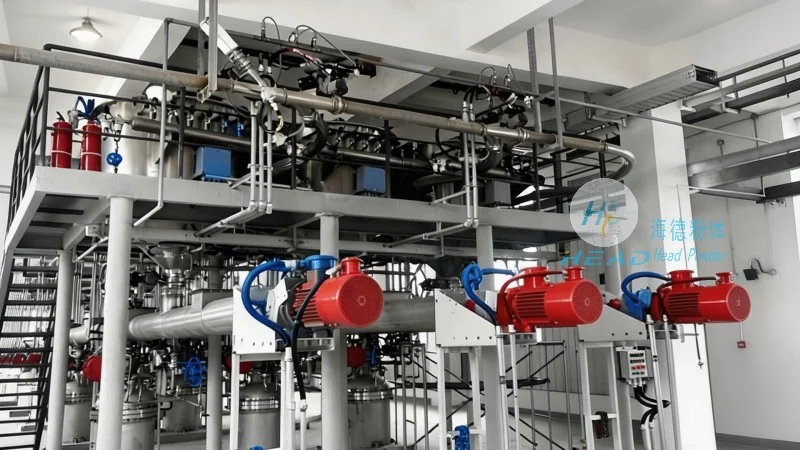
Working Principle of Mobile Pneumatic Conveying Systems
The core mechanism of mobile pneumatic conveying equipment involves the use of air to create a flow that transports solid materials. The process typically starts with the material being introduced into a hopper or feeder. From there, the material is drawn into a pipeline by a fan or blower that generates the necessary air pressure or vacuum. As the air and material mixture travels through the pipeline, the material is carried along by the air stream. The system may include components such as cyclones, filters, and separators to separate the material from the air at the end of the conveying line. The mobility of these systems allows for easy repositioning, making them ideal for applications where the material source or destination may change frequently.
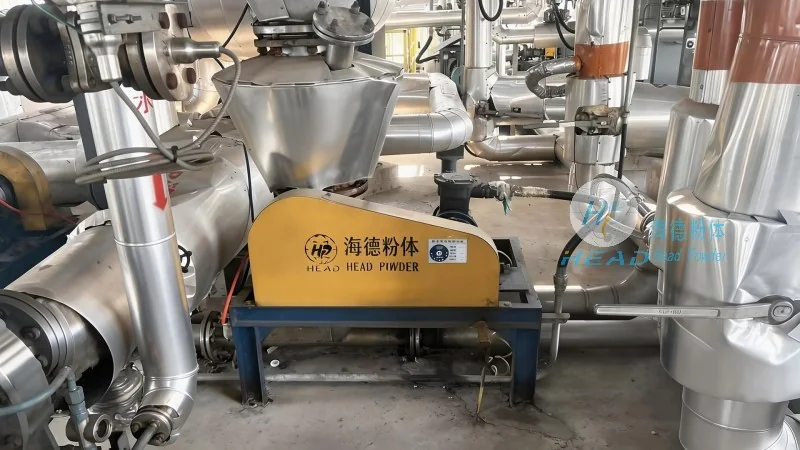
Key Features and Advantages
Mobile pneumatic conveying equipment offers several distinct advantages over other material handling solutions. One of the primary benefits is its flexibility, as the equipment can be easily moved and reconfigured to suit different operational needs. This mobility is particularly valuable in industries where production lines or material storage locations are subject to change. Additionally, these systems are generally more hygienic and cleaner than traditional conveyors, as they minimize dust and contamination. The compact design of mobile units also allows for installation in spaces where fixed conveyors might not fit. Another key feature is the ability to handle a wide variety of materials, including powders, granules, and even bulk solids, with minimal degradation. The systems are also energy-efficient, as they use air pressure rather than mechanical components to move materials, reducing wear and tear on equipment.
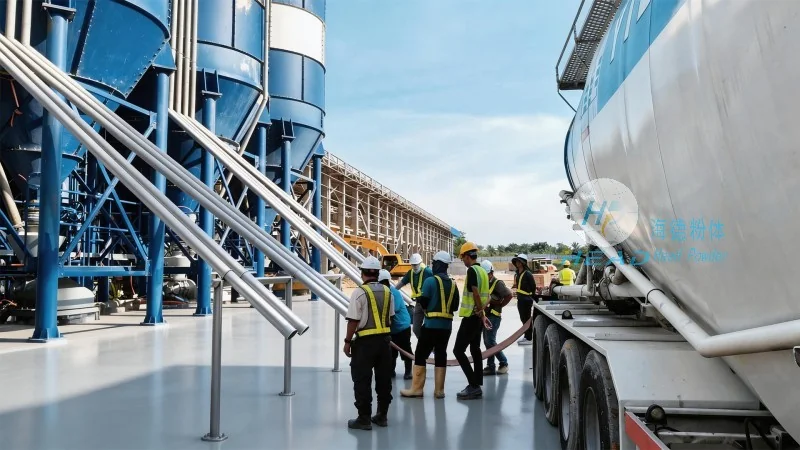
Applications and Industries
Mobile pneumatic conveying equipment is widely used across multiple industries due to its adaptability. In the food and pharmaceutical sectors, these systems are preferred for their ability to maintain high standards of cleanliness and hygiene. The equipment is also commonly used in the chemical industry to transport powders and granules safely and efficiently. Manufacturing plants, particularly those dealing with raw materials like cement, flour, or plastic pellets, benefit from the mobility and flexibility of these systems. Additionally, in the agricultural sector, mobile pneumatic conveyors are used to transport grain, feed, and other bulk agricultural products. The versatility of the technology makes it applicable in any environment where bulk material transport is required without the need for fixed infrastructure.
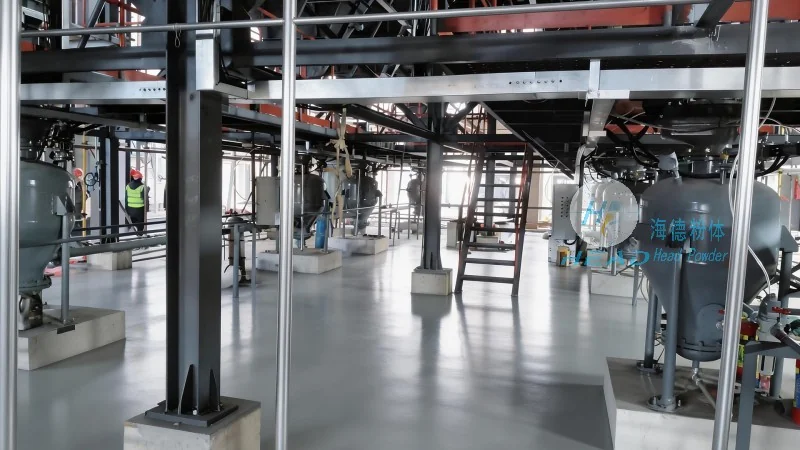
Company Profile: Shandong HeadPowder Engineering Co., Ltd.
Shandong HeadPowder Engineering Co., Ltd., commonly known as HeadPowder, is a leading manufacturer and supplier of advanced material handling solutions. With its headquarters located in Shandong, China, the company specializes in the design, development, and production of high-quality pneumatic conveying equipment. HeadPowder has built a strong reputation for delivering reliable and efficient systems that meet the diverse needs of its clients. The company's commitment to innovation and customer satisfaction has enabled it to serve a global market, providing tailored solutions for various industrial applications. By leveraging advanced engineering and manufacturing capabilities, HeadPowder ensures that its products are not only effective but also durable and easy to maintain, offering long-term value to its customers.