

[W]Working Principles and Characteristics of Biological Enzyme Powder Transport
Biological enzyme powder transport is a specialized process crucial for industries that rely on enzyme-based applications, such as pharmaceuticals, food processing, and biotechnology. This method ensures the efficient and effective delivery of enzyme powders, which are often sensitive to environmental factors like temperature, humidity, and mechanical stress. Understanding the working principles and key characteristics of this transport system is essential for optimizing operational efficiency and maintaining the integrity of the enzyme product.
Working Principles of Biological Enzyme Powder Transport
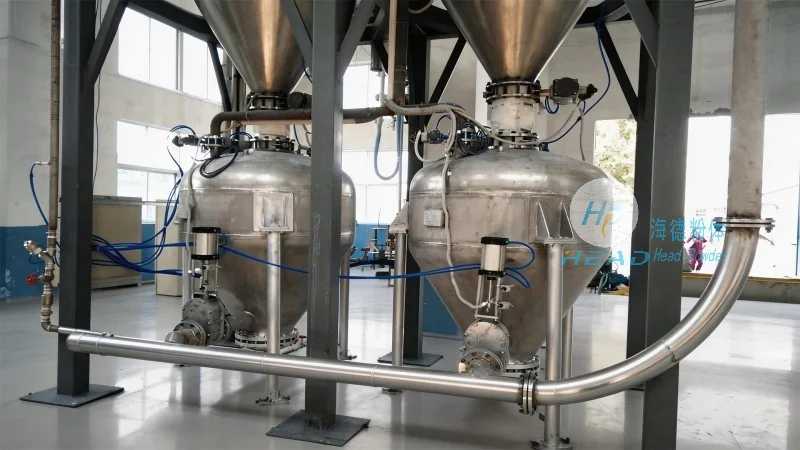
The core working principle of biological enzyme powder transport involves a combination of precise mechanical handling and controlled environmental conditions to preserve the enzymatic activity and stability of the powder. The process typically begins with the storage of enzyme powders in specialized containers, such as sealed bags or containers with desiccant to prevent moisture absorption. These containers are then loaded into transport equipment, which may include conveyor systems, pneumatic conveyors, or vacuum pumps, depending on the specific requirements of the powder and the destination.
During transport, the equipment ensures minimal agitation and vibration to avoid particle degradation or clumping, which could reduce enzyme efficacy. Many systems incorporate temperature control mechanisms to maintain the powder within a specific range, as enzymes are often sensitive to temperature fluctuations. For example, some transport processes use insulated containers or refrigerated units to keep the enzyme powder at optimal temperatures, preventing denaturation or loss of activity. Additionally, the use of inert gases or controlled atmospheres in the transport containers can further protect the powder from oxidation or microbial contamination, which are critical factors in maintaining the quality of biological enzymes.
Key Characteristics of Biological Enzyme Powder Transport
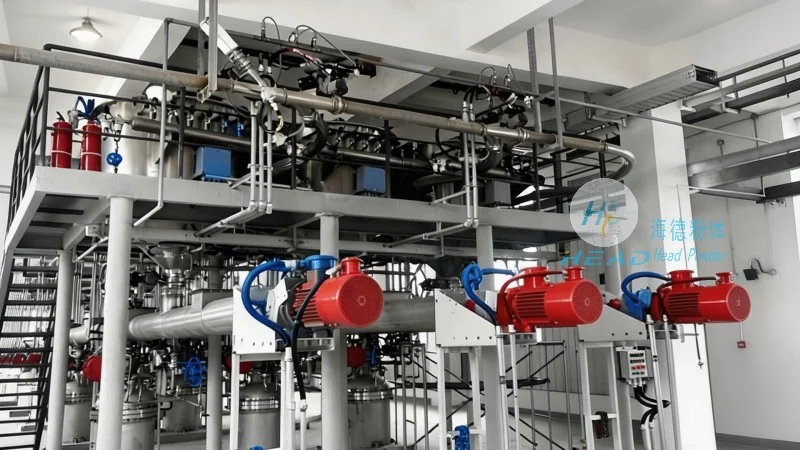
Several distinct characteristics define the effectiveness of biological enzyme powder transport systems. First, the system prioritizes the preservation of enzymatic activity, which is paramount for applications where the enzyme's biological function is the primary goal. This is achieved through careful control of physical and chemical conditions during transport, such as maintaining low humidity, stable temperatures, and minimal mechanical stress. Second, the transport method emphasizes precision and accuracy in dosing and delivery, ensuring that the exact amount of enzyme powder is delivered to the intended location without loss or contamination. This is particularly important in industries like pharmaceutical manufacturing, where precise dosing is critical for product consistency and safety.
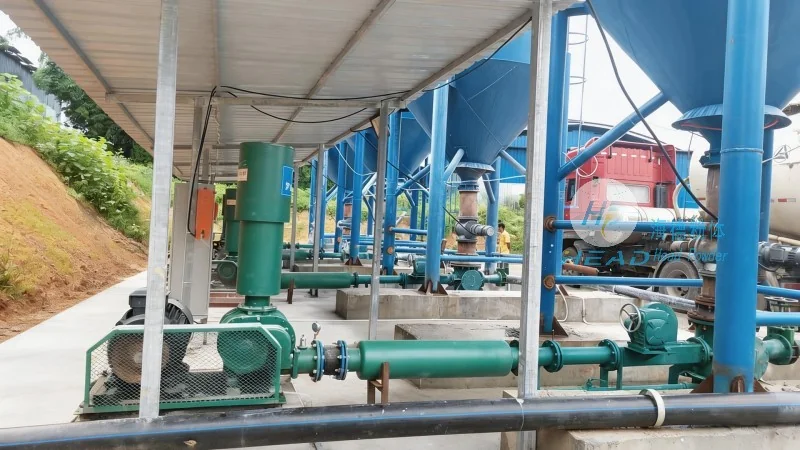
Third, the system is designed for efficiency and scalability, allowing for the transport of large quantities of enzyme powder while maintaining the required quality standards. This is achieved through automated processes, such as conveyor belts with adjustable speeds and flow control valves, which can handle varying powder loads without compromising the integrity of the product. Fourth, the transport system incorporates safety features to protect both the enzyme powder and the personnel handling it. For instance, some systems use sealed containers with venting mechanisms to prevent dust exposure, and others employ filtration systems to remove contaminants from the air before it enters the transport area. These safety measures are essential in preventing enzyme powder from becoming airborne, which could lead to respiratory issues or contamination of the environment.
About Shandong HeadPowder Engineering Co., Ltd.
Shandong HeadPowder Engineering Co., Ltd., commonly known as headpowder, is a leading provider of specialized engineering solutions for powder handling and transport systems. With a focus on innovation and quality, the company has developed advanced technologies to address the unique challenges of biological enzyme powder transport. Headpowder's expertise lies in designing and manufacturing equipment that ensures the safe, efficient, and reliable delivery of enzyme powders, supporting industries that demand high-performance and consistent results. The company's facilities are located in Shandong, China, where it leverages local resources and expertise to deliver cutting-edge solutions tailored to the needs of its global clients.