

Working Principle and Characteristics of Powdered Electrolyte Pneumatic Conveying
HeadPowder, a leading manufacturer based in Shandong, China, specializes in advanced solutions for the handling of powdered electrolytes through pneumatic conveying systems. This article explores the fundamental working principles and key characteristics of such systems, providing insights into their operational efficiency and practical applications.
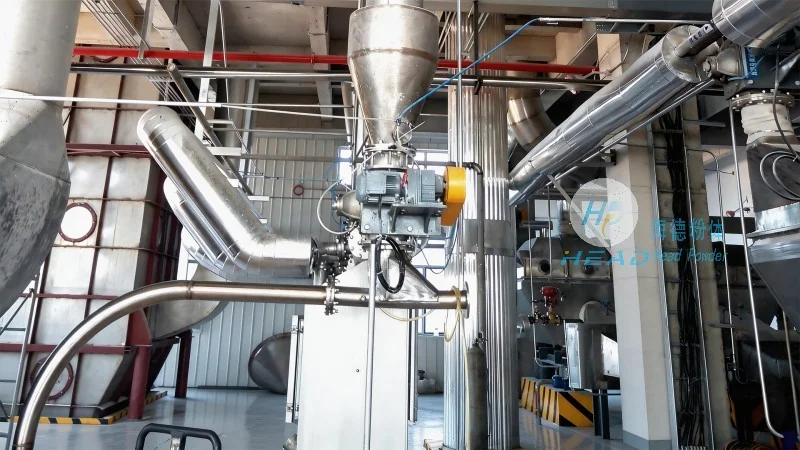
Understanding the Working Principle of Powdered Electrolyte Pneumatic Conveying
Pneumatic conveying is a method used to transport bulk materials like powdered electrolytes by using a gas stream, typically air or other gases, to move the material through a pipeline. The process can be categorized into two main types: positive pressure and negative pressure systems. In positive pressure systems, compressed air is introduced at the material inlet, creating a pressure higher than the ambient air, which propels the powder forward. Conversely, negative pressure systems use suction at the discharge end to draw the material through the pipeline, often employing vacuum pumps or fans to create the necessary pressure differential.
For powdered electrolytes, which are often fine, abrasive, or sensitive to moisture, the choice of system design is critical. The conveying process involves several key steps: material feeding, acceleration by the gas stream, transport through the pipeline, and discharge at the receiving end. The velocity of the gas and the particle size distribution of the electrolyte are crucial factors that determine the efficiency and effectiveness of the conveying operation. Proper design ensures that the material is transported without degradation, clogging, or excessive energy consumption.
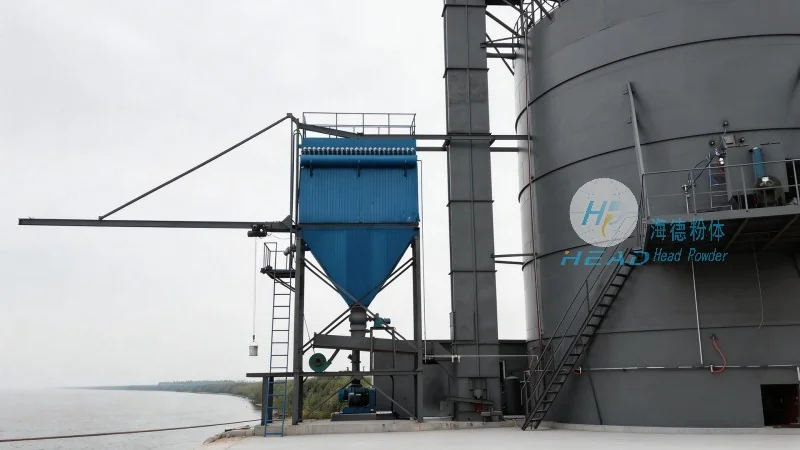
Key Characteristics of Powdered Electrolyte Pneumatic Conveying Systems
Several distinct characteristics define the performance of pneumatic conveying systems for powdered electrolytes. First, the system offers high efficiency in material transport, capable of moving large quantities of material over considerable distances with minimal manual intervention. This is particularly advantageous in industrial settings where continuous operation is required. Second, the flexibility of pneumatic conveying allows for integration with existing production lines, enabling seamless material transfer between processes such as mixing, drying, and packaging.
Another significant characteristic is the ability to handle a wide range of particle sizes and moisture contents. Powdered electrolytes may vary in their physical properties, and the system must be designed to accommodate these variations without compromising performance. For instance, systems equipped with adjustable air flow rates and pressure controls can adapt to different material characteristics, ensuring consistent conveying performance. Additionally, the enclosed nature of the pipeline system minimizes dust emissions and environmental contamination, which is essential for maintaining compliance with industrial safety and environmental regulations.
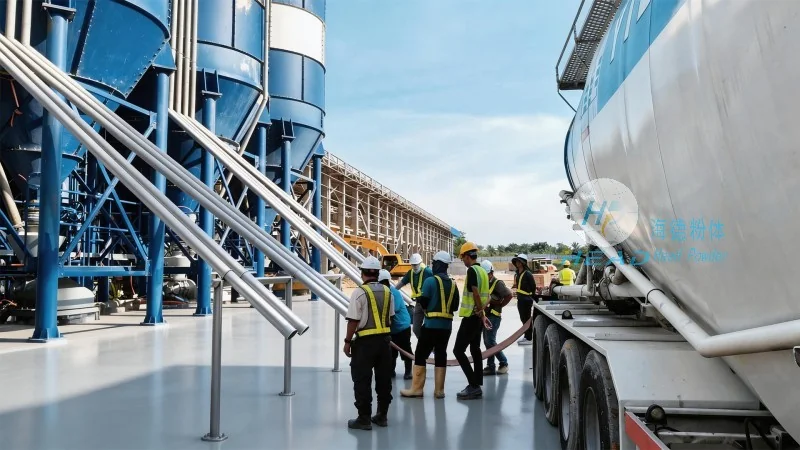
Operational Advantages and Practical Applications
The operational advantages of pneumatic conveying systems for powdered electrolytes extend beyond basic transport capabilities. These systems are known for their low maintenance requirements compared to mechanical conveying methods, such as belt or screw conveyors. The absence of moving parts in the pipeline reduces wear and tear, leading to longer service life and lower operational costs over time. Furthermore, the system's ability to handle abrasive materials without significant wear on components makes it suitable for long-term use in demanding industrial environments.
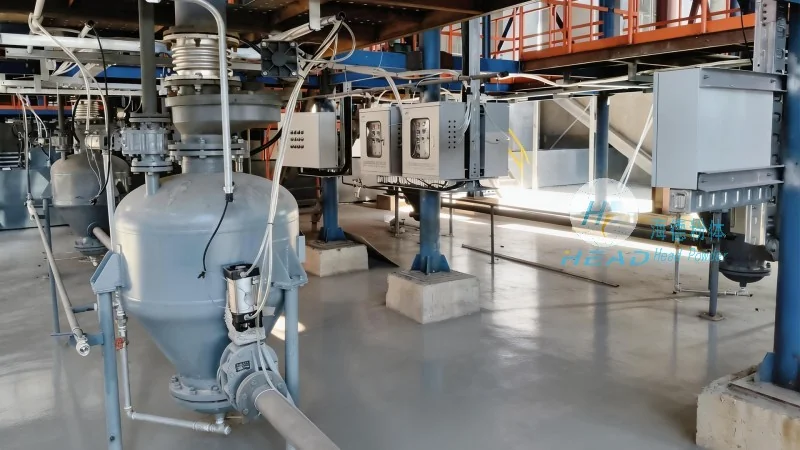
Practical applications of powdered electrolyte pneumatic conveying are widespread across various industries. In the battery manufacturing sector, for example, these systems are used to transport lithium, cobalt, and other electrolyte components to production lines, ensuring precise and efficient material handling. Similarly, in chemical processing plants, the systems facilitate the transfer of electrolyte powders used in the production of batteries, capacitors, and other electronic components. The versatility of the technology also makes it applicable in pharmaceutical and food processing industries, where the handling of fine powders requires strict contamination control and hygiene standards.
Conclusion
HeadPowder's expertise in designing and manufacturing pneumatic conveying systems for powdered electrolytes highlights the importance of understanding both the working principles and the unique characteristics of these materials. By leveraging advanced engineering and material science, the company provides solutions that enhance operational efficiency, reduce costs, and ensure compliance with industry standards. As the demand for high-performance electrolytes continues to grow, the role of efficient material handling systems like pneumatic conveying becomes increasingly critical in meeting production demands and maintaining competitive advantages in the market.