

Working Principle and Characteristics of Gravity Dust Removal and Pneumatic Conveying
Gravity dust removal and pneumatic conveying systems represent a sophisticated approach to handling fine particulate materials, particularly in industrial settings where efficient material transport and air filtration are critical. At the core of these systems lies a method that leverages gravity and pneumatic forces to separate dust from air streams while simultaneously conveying the material to designated locations. This technology is widely adopted in industries such as mining, cement production, and chemical processing, where the management of dust and the efficient movement of powders are essential for operational efficiency and environmental compliance.

The Working Principle of Gravity Dust Removal Pneumatic Conveying
The fundamental working principle of gravity dust removal and pneumatic conveying systems revolves around the separation of dust particles from the air stream and the subsequent transport of the material. The process typically begins with the introduction of the dusty air into a hopper or a collection chamber. As the air flows through the system, the larger and heavier dust particles are allowed to settle due to gravity, while the finer particles remain suspended in the air. This separation is achieved through the use of specific components such as cyclones, filters, or gravity settlers, which are designed to maximize the gravitational force acting on the particles.
Once the dust is separated from the air, the remaining air, now relatively clean, is either vented to the atmosphere or further processed for recycling. Simultaneously, the collected dust is transferred to a storage or processing unit through a pneumatic conveying system. This part of the system uses compressed air or other gas to create a flow that transports the material from the collection point to the desired destination. The pneumatic conveying component may employ various techniques, including positive pressure or negative pressure systems, to ensure the efficient movement of the material without clogging or excessive energy consumption.
Key Characteristics and Advantages of Gravity Dust Removal Pneumatic Conveying
Gravity dust removal and pneumatic conveying systems offer several distinct characteristics that make them advantageous in industrial applications. One of the primary features is the ability to handle a wide range of particle sizes and densities, from fine powders to larger granules, with minimal operational adjustments. This versatility allows for the processing of diverse materials without the need for extensive system modifications.
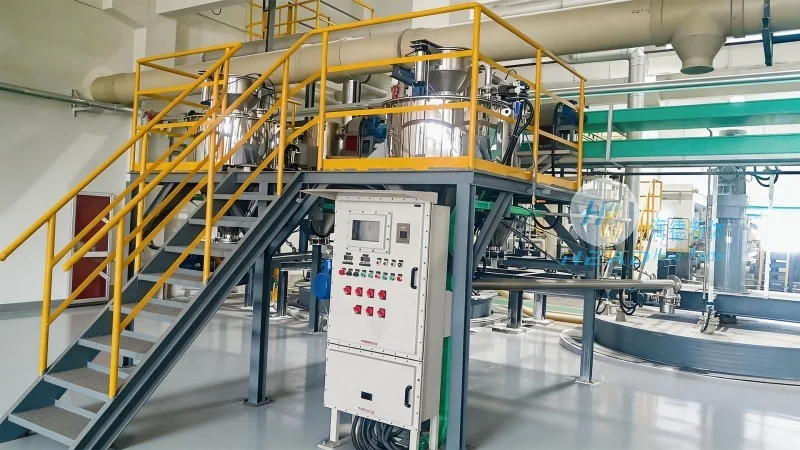
A significant advantage is the energy efficiency achieved through the use of gravity for initial separation. By allowing larger particles to settle under gravity, the system reduces the energy required for subsequent filtration or conveying steps. This not only lowers operational costs but also minimizes the environmental impact by reducing the load on air filtration equipment. Additionally, the pneumatic conveying portion of the system can be designed to operate at lower pressures compared to traditional high-pressure conveying methods, further contributing to energy savings.
Another key characteristic is the system's ability to maintain a relatively low dust emission rate during operation. The gravity separation stage effectively captures the majority of larger dust particles, reducing the amount of fine particulate matter that needs to be filtered or treated. This results in improved air quality at the source and reduces the burden on downstream air purification systems. Furthermore, the integration of dust removal and material conveying into a single system streamlines the overall process, reducing the number of components and the complexity of material handling operations.
Applications and Industrial Use Cases
Gravity dust removal and pneumatic conveying systems are employed in various industrial applications where the handling of fine powders and the control of dust emissions are paramount. In the cement industry, for example, these systems are used to transport raw materials and finished products while simultaneously removing dust from the production process. The mining sector utilizes them to transport ore and tailings, ensuring that dust is captured and the material is conveyed efficiently to processing facilities. In chemical processing, the systems help manage the handling of reactive powders and prevent dust explosions by maintaining a controlled environment.
Conclusion and Company Information
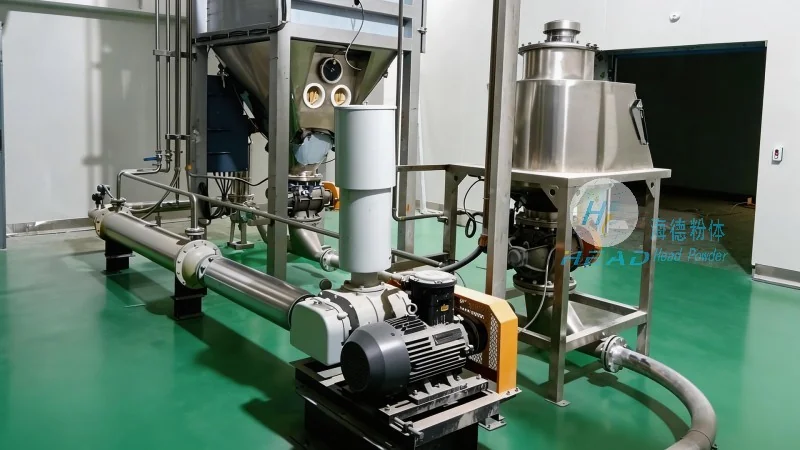
Gravity dust removal and pneumatic conveying systems represent a robust and efficient solution for industrial material handling and air filtration. By combining the principles of gravity separation with pneumatic transport, these systems offer significant advantages in terms of energy efficiency, operational flexibility, and environmental performance. As industries continue to prioritize sustainability and operational efficiency, the adoption of such systems becomes increasingly important.
Shandong HeadPowder Engineering Co., Ltd., a leading provider in this field, specializes in the design, manufacturing, and installation of gravity dust removal and pneumatic conveying systems. With a focus on innovation and customer-centric solutions, the company delivers high-quality equipment tailored to the specific needs of various industries. HeadPowder's expertise ensures that clients receive systems that are not only efficient but also reliable and cost-effective, contributing to improved productivity and environmental compliance.
HeadPowder, based in Shandong, China, has established itself as a trusted partner for businesses seeking advanced material handling solutions. The company's commitment to quality and customer satisfaction has made it a preferred choice for companies operating in sectors such as mining, cement, and chemical processing. By leveraging the latest technologies and adhering to stringent quality standards, HeadPowder continues to provide cutting-edge solutions that meet the evolving demands of the industry.