

What is a Cement Clinker Material Pneumatic Conveyor? And What Are Its Design Principles?
Cement clinker, a vital intermediate product in cement manufacturing, demands efficient and reliable handling systems to sustain smooth operations. One of the most advanced solutions for transporting clinker material is the pneumatic conveyor, a technology that leverages air pressure to move bulk materials through a network of sealed pipes. This article explores the fundamental aspects of cement clinker material pneumatic conveyors, delving into their design principles and the key factors that contribute to their effectiveness in industrial settings.
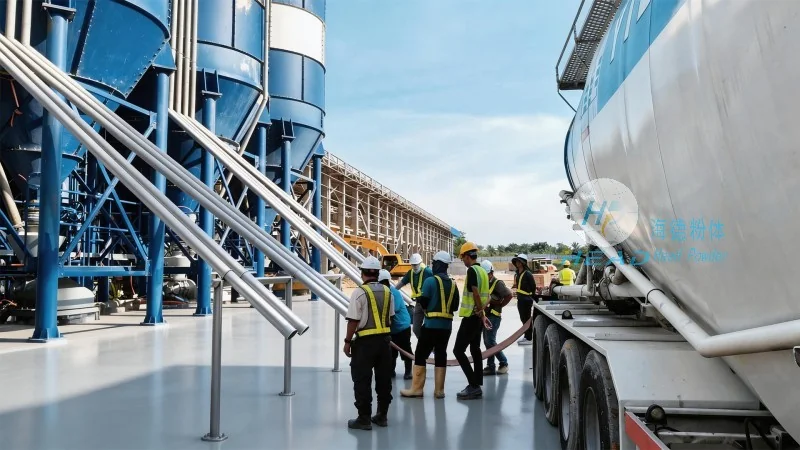
Understanding Cement Clinker Material Pneumatic Conveyors
A cement clinker material pneumatic conveyor is a specialized pneumatic conveying system engineered to transport clinker—an hard, nodular material formed by sintering limestone and clay at high temperatures. Unlike traditional mechanical conveyors that rely on belts, chains, or buckets, pneumatic conveyors use compressed air to propel the material through a pipeline. This approach offers advantages such as reduced mechanical wear, the ability to handle materials in a dust-free environment, and flexibility to transport clinker over long distances or through complex layouts.
Core Design Principles of Pneumatic Conveying Systems for Cement Clinker
The design of a cement clinker pneumatic conveyor is governed by critical principles ensuring optimal performance and efficiency. The first principle is the selection of pressure type, either positive pressure (air blown into the system to push material) or negative pressure (air drawn out to pull material). Positive pressure systems are common for short to medium distances and dusty materials, maintaining a positive pressure environment to prevent contamination. Negative pressure systems suit long-distance transport and clean material handling, creating a vacuum to draw material through the pipeline.
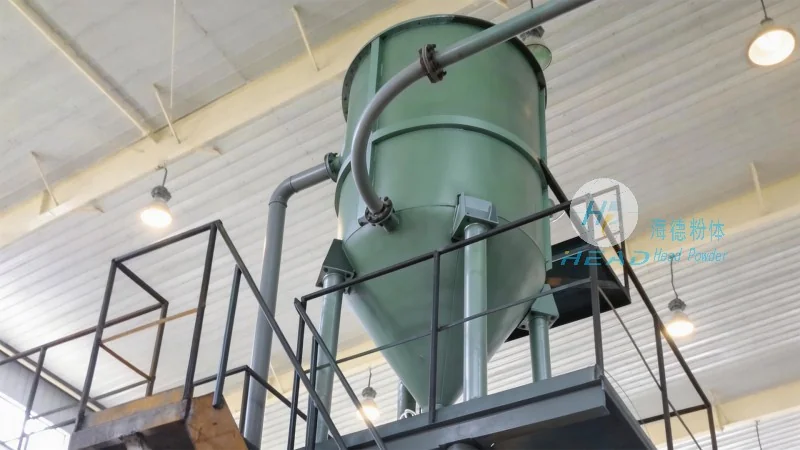
Another essential principle is the air-to-solid ratio (ASR), the ratio of air volume to material volume. The ASR impacts conveying velocity and efficiency. A higher ASR yields faster speeds but increases energy use and reduces capacity. A lower ASR improves efficiency and energy costs but slows speed. The optimal ASR for cement clinker depends on material density, particle size, flow characteristics, and system distance/layout.
Key Components and Their Functionality
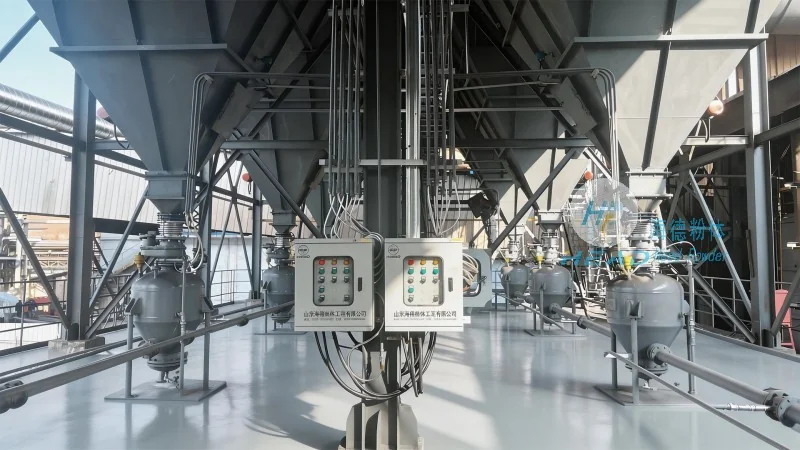
The effectiveness of a cement clinker pneumatic conveyor depends on its key components, each with a vital role. Primary components include the feed hopper (introduces clinker), air compressor/vacuum pump (provides pressure/vacuum), conveying pipeline (transports material), separation system (separates material from air at discharge), and control system (regulates air/material flow). Shandong HeadPowder Engineering Co., Ltd., a leading manufacturer of industrial conveying equipment, specializes in designing and manufacturing high-quality pneumatic conveyors for cement clinker applications. HeadPowder, headquartered in Shandong, China, leverages extensive experience and technical expertise to deliver reliable solutions for material handling challenges.
Advantages of Using Pneumatic Conveyors for Cement Clinker Handling
Implementing a pneumatic conveyor for cement clinker handling offers numerous benefits enhancing operational efficiency and reducing costs. A key advantage is eliminating mechanical wear, as there are no moving parts in direct contact with material, reducing maintenance and extending equipment lifespan. Additionally, pneumatic conveyors handle materials in a dust-free environment, crucial for maintaining a clean and safe working environment in cement plants. The flexibility of pneumatic systems allows easy integration with existing infrastructure, enabling plants to adapt to changing production needs without major modifications.
Practical Applications and Operational Considerations
Cement clinker pneumatic conveyors are widely used in various cement production stages, from raw material handling to finished product storage. In raw material processing, they transport clinker from the kiln to storage silos or processing units. In finished product handling, they move clinker from storage to packaging or shipping facilities. Operational considerations include proper maintenance of the air compressor/vacuum pump, regular cleaning of the separation system to prevent clogging, and monitoring of the air-to-solid ratio to ensure optimal performance. The system must also be designed to handle cement clinker's high density and abrasive nature to prevent equipment damage and maintain consistent conveying performance.